

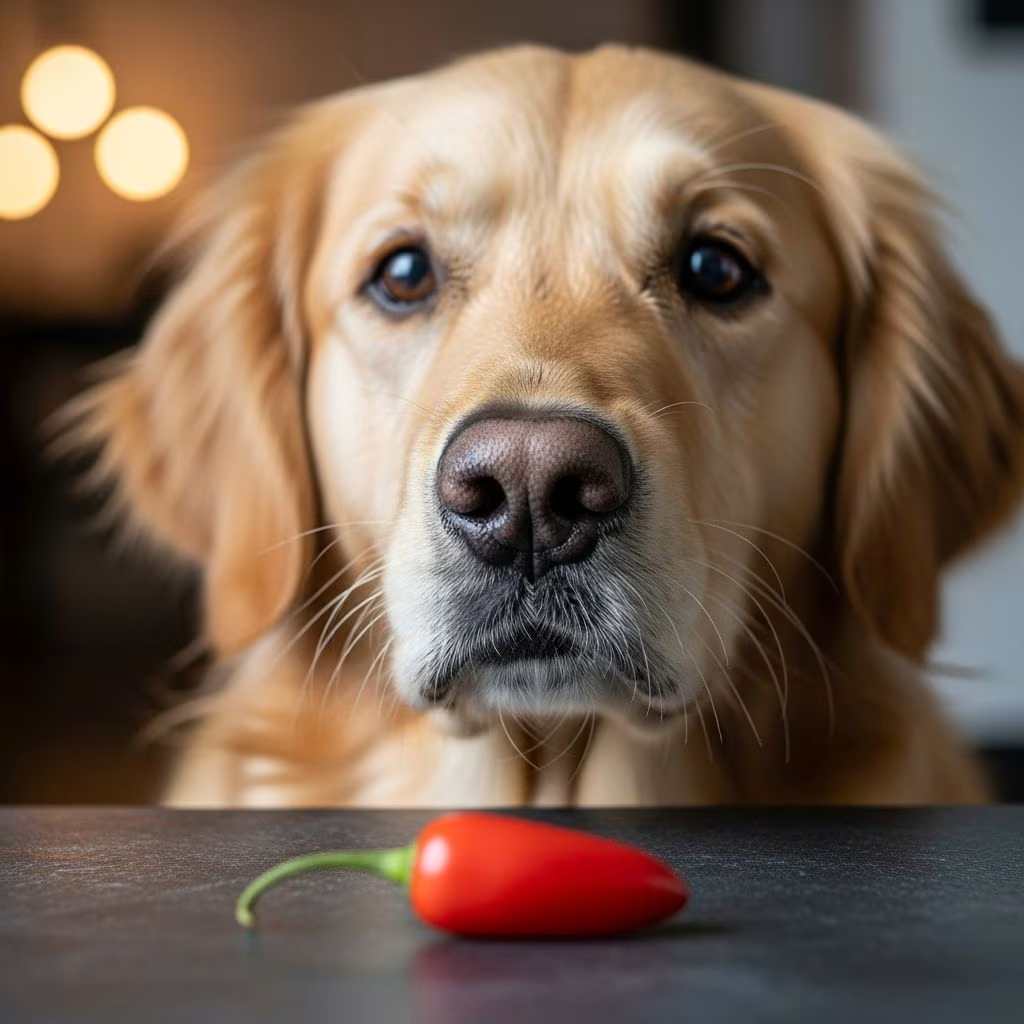
Dogs do not taste spice in the same flavorful way humans do; instead, they experience it as a painful burning sensation triggered by capsaicin activating their pain receptors, not taste buds.
This fundamental difference stems from canine taste buds numbering around 1,700—far fewer than the 9,000 in humans—limiting their ability to discern complex flavors like spice. While dogs detect sweet, salty, sour, and bitter tastes, spicy heat registers as discomfort, often leading to drooling, vomiting, or pawing at the mouth.
How Dogs’ Sense of Taste Differs from Humans
Dogs’ taste perception prioritizes survival over culinary enjoyment, evolved from their carnivorous ancestry. Their approximately 1,700 taste buds focus on detecting meaty, fatty foods rich in proteins, with less emphasis on nuanced flavors.
Humans enjoy spice through a combination of flavor and endorphin-releasing heat, but dogs lack this pleasure response. Capsaicin binds to TRPV1 receptors in dogs, causing pure pain without the rewarding sensation. Dogs also have a specialized Jacobson’s organ for smelling flavors via the palate, making their nose (with 300 million olfactory receptors) more critical than taste.
| Characteristic | Dogs | Humans |
|---|---|---|
| Taste Buds | ~1,700 | ~9,000 |
| Capsaicin Response | Pain via TRPV1 (less sensitive) | Flavor + heat + endorphins |
| Primary Tastes Detected | Sweet, salty, sour, bitter (water-specific buds) | Same + highly tuned salt/sweet |
| Dominant Sense for Food | Smell (300M receptors) | Taste + smell (5-6M receptors) |
This table highlights why dogs beg for fatty, meaty spicy dishes—not for the spice, but the appealing aromas and proteins.
Why Spice Feels Like Pain, Not Flavor, to Dogs
Spice’s “heat” comes from capsaicin in chili peppers, which dogs sense through TRPV1 pain receptors in the mouth and gut, not taste receptors. This triggers inflammation without flavor enjoyment, unlike humans who balance it with taste complexity.
Veterinary studies confirm capsaicin activates pain pathways in dogs similarly to humans but lacks endorphin counterbalance, resulting in distress like excessive drooling, mouth pawing, vomiting, diarrhea, and gastrointestinal irritation. A delayed reaction often occurs as bitter/sour buds at the tongue’s back process the irritant.
Dogs’ lesser salt sensitivity reflects their meat-rich ancestral diet, naturally high in sodium, reducing need for salty preferences.
The Real Dangers of Feeding Dogs Spicy Food
Even small amounts of spicy food can cause acute issues: stomach pain, gas, hiccups, excessive thirst, and severe digestive upset. Chronic exposure risks ongoing inflammation or toxicity from spices like garlic/onion powders, which damage red blood cells.
- Gastrointestinal distress: Capsaicin inflames the tract, leading to diarrhea/vomiting.
- Oral irritation: Burning prompts pawing and drooling.
- Toxicity risks: Allium spices (garlic, onion) cause hemolytic anemia.
- Dehydration: Increased thirst from irritation.
PetMD notes dogs feel capsaicin’s burn despite limited flavor detection, advising against it entirely.
Which Spices Are Dangerous for Dogs?
Not all spices pose equal threats; categorize by risk for informed choices.
High-Risk Spices (Avoid Completely)
- Chili powder/cayenne: Intense capsaicin causes immediate burning and upset.
- Hot sauce: Concentrated irritant leads to severe distress.
- Wasabi/horseradish: Irritates mouth, nose, and gut.
Moderate-Risk Spices (Extreme Caution)
- Black pepper: Large doses upset stomach.
- Garlic/onion powder: Toxic; causes anemia even in small amounts.
Safe Spices (Tiny Amounts, Vet-Approved)
- Turmeric: Anti-inflammatory potential in dog-formulated doses.
- Ginger: Aids nausea if controlled.
- Parsley: Breath freshener, generally harmless.
Always consult vets before adding spices; human preparations often contain unsafe additives.
Evolutionary Reasons Dogs Don’t ‘Like’ Spice
Dogs evolved as scavengers prioritizing meat detection over plant-based spices rare in wild diets. Taste buds target rotten (sour/bitter) or ripe (sweet) foods, with smell guiding fatty/protein-rich choices.
Interest in your curry likely stems from meat smells, not spices, aligning with 40,000-year domestication favoring human food scraps minus irritants.
What to Do If Your Dog Eats Something Spicy
Act quickly: Remove access, offer water/milk to dilute, monitor for 24-48 hours. Severe cases (whole peppers, heavy exposure) require vet care for anti-inflammatories or fluids.
- Don’t induce vomiting without vet instruction.
- Watch for lethargy, blood in stool, or unrelenting symptoms.
- Prevent via training, elevated counters, no table scraps.
Safe Ways to Add Flavor to Your Dog’s Diet
Enhance meals without risks using dog-safe options:
- Meaty broths: Low-sodium, plain for umami.
- Herbs: Basil, cilantro in moderation.
- Fruits/veggies: Blueberries, carrots for natural sweetness.
- Commercial toppers: Vet-formulated flavor enhancers.
A balanced commercial or raw diet suffices; flavor boosts aid picky eaters but aren’t essential.
Frequently Asked Questions
Can dogs build a tolerance to spicy foods?
No, dogs experience only pain without pleasure; repeated exposure worsens issues, not tolerance.
Are there benefits to small spice amounts for dogs?
Limited; turmeric/ginger may help inflammation/nausea in vet-approved forms, but avoid human spices.
What if my dog eats a jalapeño?
Contact vet immediately; monitor for distress. Not usually fatal but needs professional oversight.
Why do dogs beg for spicy food?
They smell fats/proteins, not spice; their nose overrides limited taste.
Can all dogs taste water?
Yes, special tip-of-tongue buds detect fresh water, aiding hydration.
References
- Do Dogs Taste Spice? The Scientific Truth Revealed — Alibaba Spice Basics. 2023. https://spice.alibaba.com/spice-basics/do-dogs-taste-spice
- The Science Behind Dogs’ Taste Buds — WoofCrate. 2023. https://woofcrate.ca/blogs/woofpost-blog/the-science-behind-dogs-taste-buds
- Can Dogs Taste Spicy Food, and Do They Like It? — Rover.com. 2023. https://www.rover.com/blog/can-dogs-taste-spicy-food-like/
- Do Dogs Have Taste Buds? — PetMD (Dr. Teresa Manucy, DVM). 2023-10-01. https://www.petmd.com/dog/general-health/do-dogs-have-taste-buds



