

Can Dogs Taste Sour? A Complete Guide
One of the most common questions pet owners ask is whether their dogs can taste sour foods. The short answer is yes—dogs do have the ability to detect sour flavors. However, the experience of sourness for dogs differs significantly from how humans perceive it. Understanding your dog’s taste buds and flavor preferences can help you make better dietary choices and keep your furry friend safe from potentially harmful foods.
How Many Taste Buds Do Dogs Have?
To understand whether dogs can taste sour, it’s important to first know about their taste bud anatomy. Dogs have considerably fewer taste buds than humans. While humans have approximately 9,000 taste buds, dogs possess only about 1,700 taste buds. This significant difference in taste bud quantity means that dogs experience flavors differently than we do.
Despite having fewer taste buds overall, dogs are still capable of detecting the five basic tastes: sweet, salty, bitter, umami, and sour. The location and sensitivity of these taste buds vary throughout a dog’s mouth, which influences how they perceive different flavors.
Can Dogs Taste Sour?
Yes, dogs can definitely taste sour. The sour taste of food is determined by the presence of various acids. However, it remains unclear whether dogs experience sourness as intensely as humans do. Given that dogs have fewer taste buds than humans, it’s possible that they don’t detect the same sharpness of sour flavors that people experience. Additionally, dogs may not pick up on the nuances of flavor that drive some humans to crave sour foods.
The sour taste buds in dogs are located towards the back of the tongue. This positioning is similar to humans and serves an important biological function in protecting dogs from consuming potentially dangerous foods.
Do Dogs Like Sour Tastes?
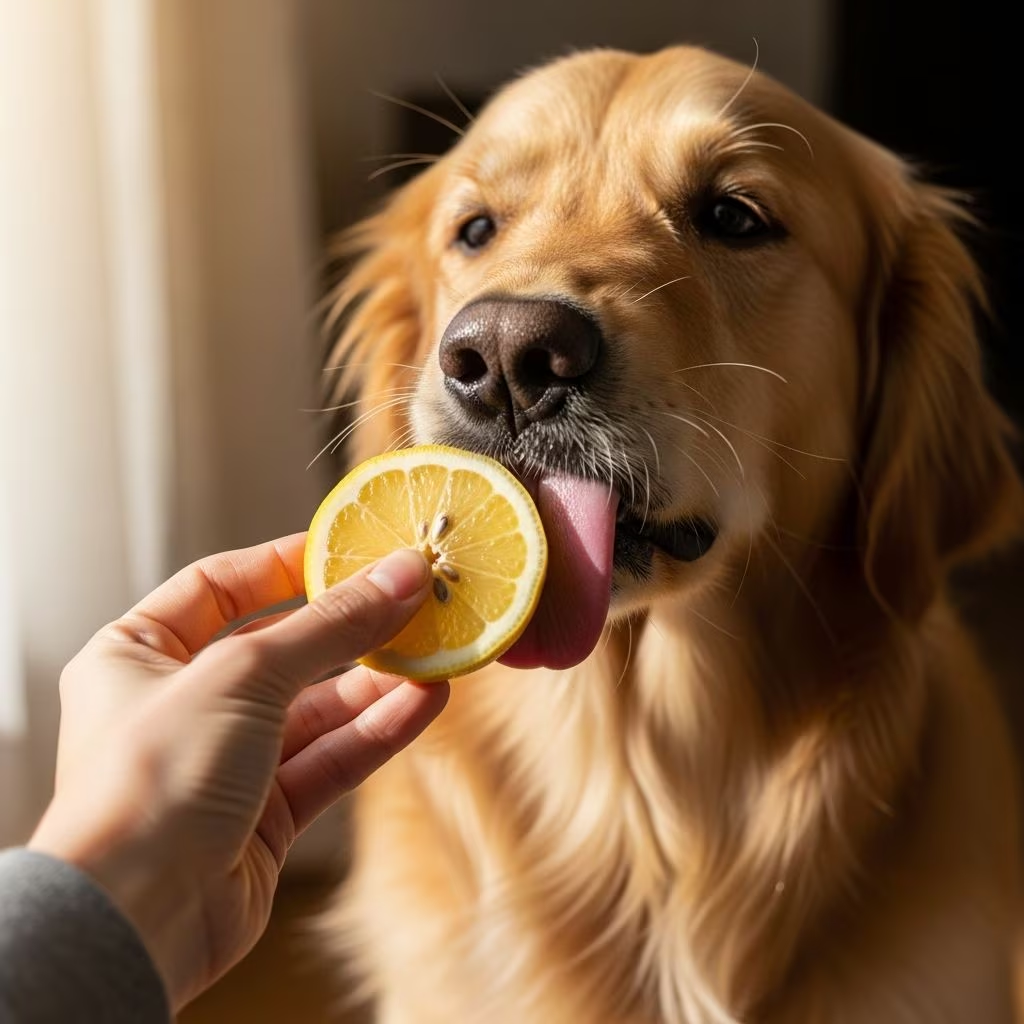
Although dogs technically can taste sour, the vast majority of dogs do not enjoy sour foods. When encountering sour foods, dogs often display comically negative reactions. These reactions can range from puckered muzzles and aggressive lip-smacking to the most exaggerated looks of horror.
Why do dogs avoid sour tastes so strongly? Dogs have developed an ingrained instinct to avoid sour foods because it protects them from ingesting potentially harmful substances. In nature, sourness often indicates spoiled or unripe fruits and vegetables. Unripe fruits can be difficult for dogs to digest and may lead to stomach upset if consumed in large amounts. Rotting or fermenting foods can contain harmful bacteria that can cause severe gastrointestinal disease. Additionally, unripe and rotting foods often have a tangy odor that provides an early warning sign for dogs to stay away.
Understanding Sour as a Warning Sign
The perception of sourness acts as a natural warning mechanism in the animal kingdom. This evolutionary adaptation helps dogs protect themselves from consuming foods that could make them sick. By instinctively rejecting sour-tasting foods, dogs avoid potential digestive problems and food poisoning from contaminated or spoiled items.
While there may be the occasional dog that enjoys lemon pulp or other sour foods, these are exceptions rather than the rule. Most dogs will reject sour foods even if they initially beg to taste them.
Dog Taste Buds vs. Human Taste Buds
Understanding how dog taste buds compare to human taste buds provides valuable insight into your pet’s food preferences and dietary needs. Let’s examine the key differences:
| Taste Type | Dogs | Humans |
|---|---|---|
| Sour | Can detect, but sensitivity unclear; located at back of tongue | Highly sensitive; detects sharp acidity |
| Sweet | Less sensitive to sweet flavors; roughly 1/5 the sensitivity of humans | Highly sensitive; actively seek sweet tastes |
| Salty | Lower sensitivity; fewer taste buds for saltiness; located at front of tongue | More sensitive; evolved preference for salt |
| Bitter | Can taste but generally dislike it; protective function | Can taste; generally dislike it |
| Umami | Sensitive to savory, meaty flavors; drawn to protein sources | Can taste; enjoy savory flavors |
The Role of Smell in Dog Taste Experience
While dogs have fewer taste buds than humans, they compensate with an incredibly powerful sense of smell. Dogs have a remarkable ability to detect odors that may be overpowering to their taste experience. Certain foods with strong, pungent aromas might not appeal to dogs, even if those foods appear appetizing to humans.
In fact, smell plays a crucial role in what we perceive as taste. For dogs, their superior olfactory abilities mean that they experience flavor in a fundamentally different way than humans. A dog’s perception of food is heavily influenced by its aroma before the food ever touches their taste buds.
Other Flavors Dogs Avoid
Dogs don’t just avoid sour tastes—they generally steer clear of several other flavors for safety and preference reasons:
- Bitter flavors: Dogs will avoid bitter flavors for the same reasons they avoid sour foods: safety and preference. In the wild, toxic substances often have a bitter taste that alerts dogs to whether a food is desirable. If a dog’s first tiny taste is bitter and tannic, many will reject the food and move on to something more appetizing (and hopefully non-toxic).
- Spicy foods: While dogs can taste spicy food, they experience it differently than humans. The sensation of spiciness occurs in reaction to a chemical compound called capsaicin found in chili peppers. Dogs can feel the heat from spicy food but don’t perceive the complex flavors associated with spices.
- Excessively salty foods: Dogs don’t have an inherent preference for saltiness and may not taste salt as well as people can.
What Dogs Do Prefer: Umami and Savory Flavors
While dogs avoid sour, bitter, and spicy tastes, they are naturally drawn to certain flavors. Dogs have taste receptors specifically tuned for meats. Umami, which refers to a savory or “meaty” flavor, is highly appealing to dogs because these flavors represent sources of protein. This preference makes evolutionary sense, as dogs are carnivores whose ancestors thrived on meat-based diets.
This is why many commercially available dog foods and treats emphasize meat flavors and umami tastes—they align with dogs’ natural preferences and what their taste buds evolved to seek out.
Genetic and Individual Variations in Taste Preferences
It’s important to note that while dogs share some taste bud similarities with humans, their taste preferences and reactions can vary widely. These differences are influenced by breed, individual personality, and nutritional history. Some dogs may be more adventurous eaters than others, and certain breeds may have different sensitivities to various flavors.
Additionally, your dog’s prior experiences with certain foods can influence their preferences. A dog that has been exposed to a variety of safe foods early in life may be more willing to try new tastes than a dog with a limited food history.
Safety Considerations for Sour Foods
While dogs naturally avoid most sour foods, it’s important for pet owners to be aware of sour foods that can cause health problems. For example:
- Sour pickles: High in salt content, which is not ideal for dogs
- Sour candies: Contain excessive sugar, which is harmful to dogs
- Citrus fruits: Acidic and can cause stomach upset in some dogs
- Fermented foods: May contain harmful bacteria or excessive salt
Even though most dogs will naturally reject these foods, it’s best to avoid offering them altogether to prevent any accidental ingestion or health issues.
Choosing Dog-Friendly Treats
Since most dogs will reject sour foods anyway, the best approach is to prioritize dog-friendly treats that your dog will actually enjoy. Look for treats that feature flavors dogs naturally prefer, such as:
- Meat-based treats that appeal to umami preferences
- Natural dog biscuits made with wholesome ingredients
- Fruits and vegetables that are safe and appropriate for dogs, such as apples, carrots, and green beans
- Treats specifically formulated for canine taste preferences
The Bottom Line: Understanding Your Dog’s Taste
Dogs have taste buds that can detect sweet, salty, bitter, umami, and sour flavors. Detecting different flavors helps keep dogs safe as well as contributes to their enjoyment of food. Most dogs will reject sour foods even if they initially beg to taste them.
The key takeaway for dog parents is that your dog’s taste preferences evolved to protect them from harmful foods. By respecting these natural instincts and avoiding offering sour foods that can cause problems, you’re supporting your dog’s health and well-being. Instead, focus on providing treats and foods that align with your dog’s natural preferences and dietary needs.
Frequently Asked Questions
Q: Can dogs taste sour flavors?
A: Yes, dogs can taste sour flavors, though their sensitivity to sourness compared to humans is unclear. Their sour taste buds are located toward the back of the tongue.
Q: Why do dogs avoid sour foods?
A: Dogs have an ingrained instinct to avoid sour foods because it protects them from ingesting potentially harmful substances like unripe fruits or rotting foods. This evolutionary adaptation helps them avoid digestive problems and foodborne illness.
Q: Do all dogs dislike sour tastes?
A: While most dogs dislike sour tastes, individual preferences can vary. There may be occasional dogs that enjoy sour foods, though this is rare.
Q: How many taste buds do dogs have?
A: Dogs have approximately 1,700 taste buds, compared to humans who have around 9,000 taste buds. This difference influences how dogs perceive flavors.
Q: What flavors do dogs prefer?
A: Dogs are naturally drawn to umami or savory, meaty flavors because these represent sources of protein. They also have taste receptors specifically tuned for meats.
Q: Are sour pickles safe for dogs?
A: Sour pickles are high in salt content and should be avoided as treats for dogs. It’s best to stick to dog-friendly treats instead.
Q: Does a dog’s sense of smell affect their taste experience?
A: Yes, a dog’s powerful sense of smell significantly influences their taste experience. Foods with strong aromas might not appeal to dogs even if they look appetizing to humans.
References
- The Science Behind Dogs’ Taste Buds — WoofCrate. Accessed January 2026. https://woofcrate.ca/blogs/woofpost-blog/the-science-behind-dogs-taste-buds
- Do Dogs Have Taste Buds? Tongue & Flavor Facts — PetLab Co. Accessed January 2026. https://thepetlabco.com/learn/dog/health-wellness/do-dogs-have-taste-buds
- Bitter taste sensitivity in domestic dogs (Canis familiaris) and selection of bitter compounds for aversive conditioning — National Center for Biotechnology Information (NIH). 2022. https://pmc.ncbi.nlm.nih.gov/articles/PMC9710775/
- Can Dogs Taste Sour? Find Out — Kinship. Accessed January 2026. https://www.kinship.com/dog-nutrition/can-dogs-taste-sour
- Do Dogs Have Taste Buds? — PetMD. Accessed January 2026. https://www.petmd.com/dog/general-health/do-dogs-have-taste-buds
- How Good Is Your Dog’s Sense of Taste? — Psychology Today. April 2011. https://www.psychologytoday.com/us/blog/canine-corner/201104/how-good-is-your-dogs-sense-of-taste



