

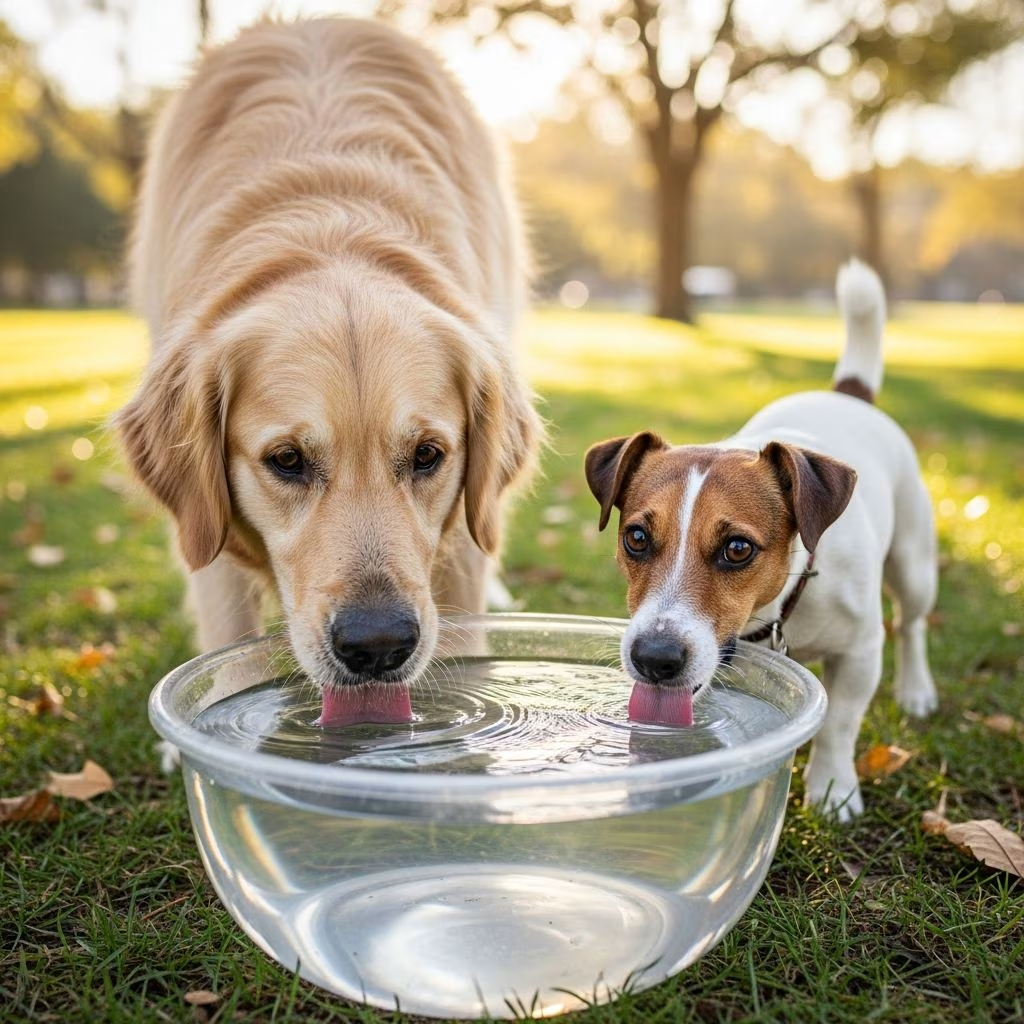
Many dog owners wonder if it’s okay for their pets to drink from the same water bowl, whether at home with multiple dogs or from public sources like dog parks. While hydration is crucial for dogs, sharing bowls introduces potential health hazards due to contamination risks. This article examines the safety concerns, specific diseases involved, differences between home and public settings, and practical solutions to keep your dog healthy and hydrated.
The Importance of Hydration for Canine Health
Dogs require constant access to fresh water to maintain body temperature, support digestion, and prevent dehydration, especially during exercise or hot weather. Dehydration symptoms include lethargy, dry gums, and sunken eyes, which can escalate to heatstroke if ignored. However, the source of that water matters greatly. Public or shared bowls often harbor unseen threats that can compromise your dog’s well-being.
Hidden Dangers Lurking in Shared Water Sources
Communal water bowls, found in parks, stores, or patios, seem like a convenient relief but frequently contain bacteria, viruses, parasites, and other contaminants. Stagnant water promotes bacterial growth, while dogs’ saliva, paws, and even rodent activity add to the mix. Paws dipped in after stepping in feces can transfer parasites directly into the water, turning a simple drink into a health gamble.
- Bacterial buildup: Unchanged water becomes a breeding ground for harmful microbes.
- Saliva transmission: Drool from infected dogs spreads viruses effortlessly.
- Environmental contaminants: Mold, toxins, and dirt accumulate in outdoor bowls.
Common Diseases Transmitted Through Shared Bowls
Several illnesses can spread via contaminated water, affecting dogs of all ages but hitting vulnerable ones hardest. Here’s a breakdown of key threats:
| Disease | Transmission Method | Symptoms | Risk Level |
|---|---|---|---|
| Kennel Cough (Bordetella) | Saliva or respiratory droplets in water | Hacking cough, lethargy, loss of appetite | High in public areas |
| Leptospirosis | Bacteria from urine or contaminated water | Fever, vomiting, kidney/liver damage | Severe, potentially fatal |
| Canine Papilloma Virus | Direct saliva contact | Warts on mouth, tongue, gums | Moderate, cosmetic but contagious |
| Intestinal Parasites (e.g., Giardia, Hookworms) | Fecal matter on paws | Diarrhea, weight loss, vomiting | High for puppies/seniors |
| Salmonella | Bacterial contamination | Bloody diarrhea, fever | Moderate to high |
These conditions can lead to vet visits, medications, or worse, emphasizing why caution is essential.
Home Sharing vs. Public Bowls: Key Differences
At home, dogs from the same household sharing a bowl poses lower risks since they share similar environments and pathogens already through play, bedding, and grooming. Regular cleaning with soap and hot water mitigates buildup effectively. Public bowls, however, involve strangers’ dogs with unknown health statuses, irregular cleaning, and exposure to wildlife, amplifying dangers significantly.
- Home benefits: Familiar microbes, easy monitoring, daily refreshes.
- Public pitfalls: Unknown histories, infrequent sanitation, outdoor pollutants.
Vulnerable groups like puppies, elderly dogs, or those with weakened immunity face heightened risks everywhere, but public exposure multiplies them.
Behavioral Impacts of Shared Drinking Stations
Beyond health, sharing can spark issues like territorial aggression, stress, or anxiety. Dogs may guard bowls, leading to fights, or feel overwhelmed in crowded spots. Isolating your dog during drinks promotes calm and reduces conflict risks.
Safe Hydration Strategies for On-the-Go Owners
Don’t let risks deter outings—proactive steps ensure safety:
- Bring your own supplies: Portable collapsible bowls and bottled water are lightweight and hygienic.
- Check freshness: Opt for running water fountains over stagnant bowls when possible.
- Clean routinely: At home, wash bowls daily; rinse portables after each use.
- Monitor health: Watch for symptoms post-exposure and consult vets promptly.
- Vaccinate proactively: Core vaccines protect against some transmissible diseases.
These habits keep hydration safe without sacrificing convenience.
Best Materials and Maintenance for Dog Water Bowls
Choose durable, easy-clean materials like stainless steel or ceramic over plastic, which scratches and harbors bacteria. Avoid shared home bowls if one dog shows illness signs. Daily routines: empty, scrub with pet-safe soap, rinse thoroughly, and refill with cool, fresh water. In hot climates, refresh multiple times daily to prevent algae.
Expert Insights from Veterinary Professionals
Veterinarians universally advise against public bowls due to unpredictable sanitation. Texas A&M’s experts highlight stagnant water’s role in retaining parasites and bacteria, while AKC stresses separate sources for optimal safety. For multi-dog homes, vigilance in cleaning suffices, but public avoidance is key.
Frequently Asked Questions (FAQs)
Is it okay for my two healthy dogs to share a water bowl at home?
Yes, with daily cleaning, as they share exposures anyway. Use soap and hot water regularly.
What if my dog drinks from a public bowl accidentally?
Monitor for symptoms like coughing or diarrhea over 1-2 weeks. Contact your vet if issues arise.
Are water fountains safer than static bowls?
Often yes, due to circulation reducing stagnation, but verify cleanliness.
How often should I change water in my dog’s bowl?
At least twice daily, more in heat or with multiple drinkers.
Can leptospirosis spread from dog bowls to humans?
Possible via contaminated water, so handle bowls carefully and vaccinate dogs.
Long-Term Prevention and Wellness Tips
Integrate hydration safety into your routine: invest in insulated bottles for hikes, teach ‘leave it’ for dubious sources, and schedule annual vet checks for parasite screens. Educate family on risks to ensure consistency. Healthy dogs with strong immunity fare better, but prevention trumps cure.
By prioritizing personal water sources, you safeguard your dog’s health amid everyday adventures. Stay vigilant, and your pup will thrive.
References
- Hazards in Your Dog’s Water Bowl: What Every Owner Should Know — Lancaster Puppies. 2023. https://www.lancasterpuppies.com/pet-advice/hazards-in-your-dogs-water-bowl-what-every-owner-should-know.html
- Is it Safe for Dogs to Drink Out of Communal Water Bowls? — American Kennel Club (AKC). 2024. https://www.akc.org/expert-advice/health/communal-water-bowl-safety/
- Sharing Is Not Always Caring: Realities Of Communal Water Bowls — Texas A&M University. 2024-08-08. https://stories.tamu.edu/news/2024/08/08/sharing-is-not-always-caring-realities-of-communal-water-bowls/
- Summer Watering Hole—Beware! Are Shared Water Bowls Safe for Dogs? — Puppy Love Pet Care Company. 2023. https://www.puppylovepetcarecompany.com/post/summer-watering-hole-beware
- Why You Should Never Let Your Dog Drink From a Community Water Bowl — Puppa Stryn. 2024. https://puppastrync.com/blogs/news/why-you-should-never-let-your-dog-drink-from-a-community-water-bowl



