

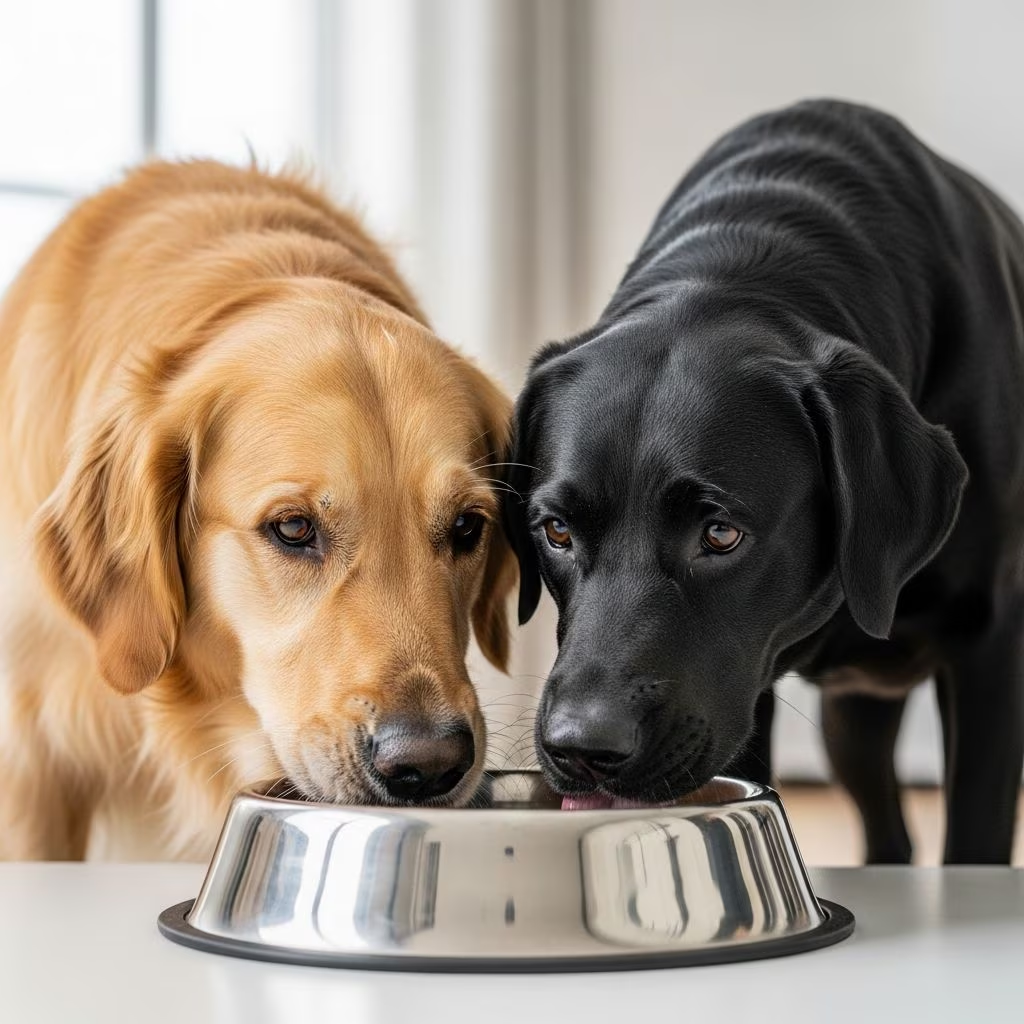
In multi-dog households, convenience often tempts owners to use shared food and water bowls. However, this practice raises important questions about pet health, behavior, and nutrition. While dogs in the same home may tolerate sharing water bowls due to similar exposures, food bowl sharing poses significant risks including competition, aggression, and disease transmission. This article examines whether dogs can share bowls, the potential dangers, benefits of individual bowls, hygiene best practices, and feeding strategies for harmonious multi-pet homes.
Is It Safe for Dogs to Share Bowls?
Technically, healthy dogs living together can share bowls without immediate harm, particularly water bowls, as household pets share similar infectious agents. However, safety depends on factors like health status, diet needs, and behavior. Public or communal bowls amplify risks due to diverse pathogens from unknown dogs. For food bowls, sharing is rarely advisable due to behavioral and nutritional issues. Veterinary experts recommend separate bowls to prevent complications, especially if dogs have varying sizes, ages, or medical conditions.
The Risks of Dogs Sharing Bowls
Shared bowls introduce multiple hazards that can compromise canine well-being. Dominant dogs may monopolize resources, while timid ones suffer nutritional deficits. Pathogen spread is another concern, particularly in uncleaned bowls.
Competition and Food Aggression
Dogs are inherently competitive at mealtime. Sharing a single bowl fosters rivalry, potentially escalating to food aggression or fights, especially among dominant breeds or food-motivated individuals. Resource guarding—growling, snapping, or biting to protect food—develops quickly in competitive settings. This not only endangers dogs but also owners intervening during meals. Separating feeders mitigates these behaviors, promoting peaceful interactions.
Unequal Food Intake and Nutritional Imbalances
Monitoring portions is impossible with shared bowls. A bold dog may devour most kibble, starving a shy companion and causing weight loss, malnutrition, or obesity in the greedy one. Dogs with special diets—senior formulas, weight control, or therapeutic foods for allergies/diabetes—cannot be properly managed. For instance, one dog needing low-calorie food might steal high-protein meals from another, derailing health goals.
Health Risks and Disease Transmission
Saliva, bacteria, and debris contaminate shared bowls rapidly. Food bowls risk spreading infections if hygiene lapses, while water bowls harbor bacteria like E. coli and Salmonella, fungi, parasites (Giardia, Cryptosporidium), and viruses (kennel cough, parvovirus). Puppies, seniors, or immunocompromised dogs face heightened vulnerability. Summer heat accelerates microbial growth, doubling bacterial rates per veterinary studies. Household sharing is lower risk than public bowls but still problematic without rigorous cleaning.
Other Concerns: Stress and Digestive Issues
Bolting food from competition leads to bloat (gastric dilatation-volvulus), vomiting, or diarrhea. Chronic stress from mealtime anxiety affects overall health, weakening immunity and behavior.
Benefits of Separate Bowls for Multiple Dogs
Individual bowls transform feeding into a positive routine. Owners gain control over nutrition while dogs enjoy stress-free meals.
- Promotes Healthy Eating Habits: Each dog eats at its pace without rushing, reducing gulping and digestive upset like bloat.
- Eliminates Food Guarding: Private bowls curb aggression, fostering better dog relationships.
- Precise Monitoring: Track intake for weight management, appetite changes, or vet discussions.
- Customized Diets: Tailor food to age, breed, activity, or health—e.g., puppy growth formula vs. senior joint support.
- Enhanced Well-Being: Secure spaces reduce anxiety, improving household harmony.
Water Bowls vs. Food Bowls: Key Differences
Water sharing is generally safer in homes. Dogs share pathogens anyway via sniffing or play, minimizing added risk from one bowl. Clean daily with soap/hot water. However, food bowls demand separation due to caloric/nutritional stakes. Public water bowls? Avoid entirely—opt for portable bottles.
| Aspect | Food Bowls | Water Bowls (Home) | Communal Water Bowls |
|---|---|---|---|
| Safety Level | Low – Separate recommended | Moderate – Shared OK if clean | High Risk – Avoid |
| Main Risks | Aggression, malnutrition, some disease | Low disease if cleaned | Bacteria, parasites, viruses |
| Best Practice | Individual bowls | Shared OK, clean daily | Use portable bottle |
Best Practices for Feeding Multiple Dogs
Implement these strategies for safe, effective feeding:
- Feed in separate areas (different rooms/crates) simultaneously to avoid guarding.
- Use elevated or slow-feed bowls for large/gulpers.
- Measure portions precisely per vet/breed guidelines.
- Clean bowls daily: hot soapy water, dishwasher safe.
- Supervise initial separate feedings, transitioning gradually if needed.
- Consult vets for diet plans, especially mixed-health households.
How to Clean Dog Bowls Properly
Hygiene prevents 90% of issues. Studies show contaminated bowls spread pathogens to pets/humans.
- Rinse immediately post-meal.
- Wash with hot water/dish soap; scrub residue.
- Dishwasher top rack (if stainless steel/ceramic).
- Weekly deep clean: vinegar/baking soda soak.
- Air dry fully; store dry.
- Replace plastic bowls often—they harbor bacteria.
Avoid bleach near pets; use pet-safe disinfectants.
Signs Your Dog’s Bowl Habits Need Changing
- Sudden aggression at meals.
- Weight changes despite steady feeding.
- GI upset: vomiting/diarrhea post-eating.
- One dog always hungry/skinnier.
- Lethargy, illness after public bowls.
Act promptly—vet check rules out underlying issues.
Frequently Asked Questions (FAQs)
Can dogs share water bowls at home?
Yes, household dogs can share water bowls safely if cleaned daily with soap and hot water, as they share similar exposures.
Is it OK for dogs to share food bowls?
No, separate food bowls prevent aggression, ensure fair portions, and allow diet customization.
What diseases spread via shared dog bowls?
Bacteria (E. coli, Salmonella), parasites (Giardia), viruses (parvovirus), fungi—worse in unclean/public bowls.
How do I stop food aggression in multi-dog homes?
Feed separately in crates/rooms; hand-feed treats for positive associations; train ‘leave it’ commands.
Are communal park water bowls safe?
No—avoid due to high pathogen risk, especially for puppies/immunocompromised dogs. Carry your own.
Final Thoughts
While dogs can share bowls, they shouldn’t—especially food. Separate setups safeguard health, curb conflicts, and simplify care. Invest in quality bowls; prioritize routines. Your pack will thrive.
References
- Can Dogs Share Food Bowls? Understanding Feeding Dynamics in Multi-Dog Homes — Houndsy. 2023. https://www.houndsy.com/blogs/modern-tails/can-dogs-share-food-bowls-understanding-feeding-dynamics-in-multi-dog-homes
- The Hidden Health Risks of Communal Water Bowls for Dogs — Pulivarthi Group. 2023. https://pulivarthigroup.com/the-hidden-health-risks-of-communal-water-bowls-for-dogs/
- Sharing Is Not Always Caring: Realities Of Communal Water Bowls — Texas A&M University (tamu.edu). 2024-08-08. https://stories.tamu.edu/news/2024/08/08/sharing-is-not-always-caring-realities-of-communal-water-bowls/
- Should Cats and Dogs Share Water Bowls? — Pet Direct NZ. 2023. https://petdirect.co.nz/blog/can-cats-and-dogs-share-water-bowls
- Public Dog Water Bowls: Are They Safe? — Preventive Vet. 2023. https://www.preventivevet.com/dogs/public-dog-water-bowls-think-before-they-drink
- Survey evaluation of dog owners’ feeding practices and dog bowls hygiene — PMC/NCBI (pmc.ncbi.nlm.nih.gov). 2022. https://pmc.ncbi.nlm.nih.gov/articles/PMC8986020/



