

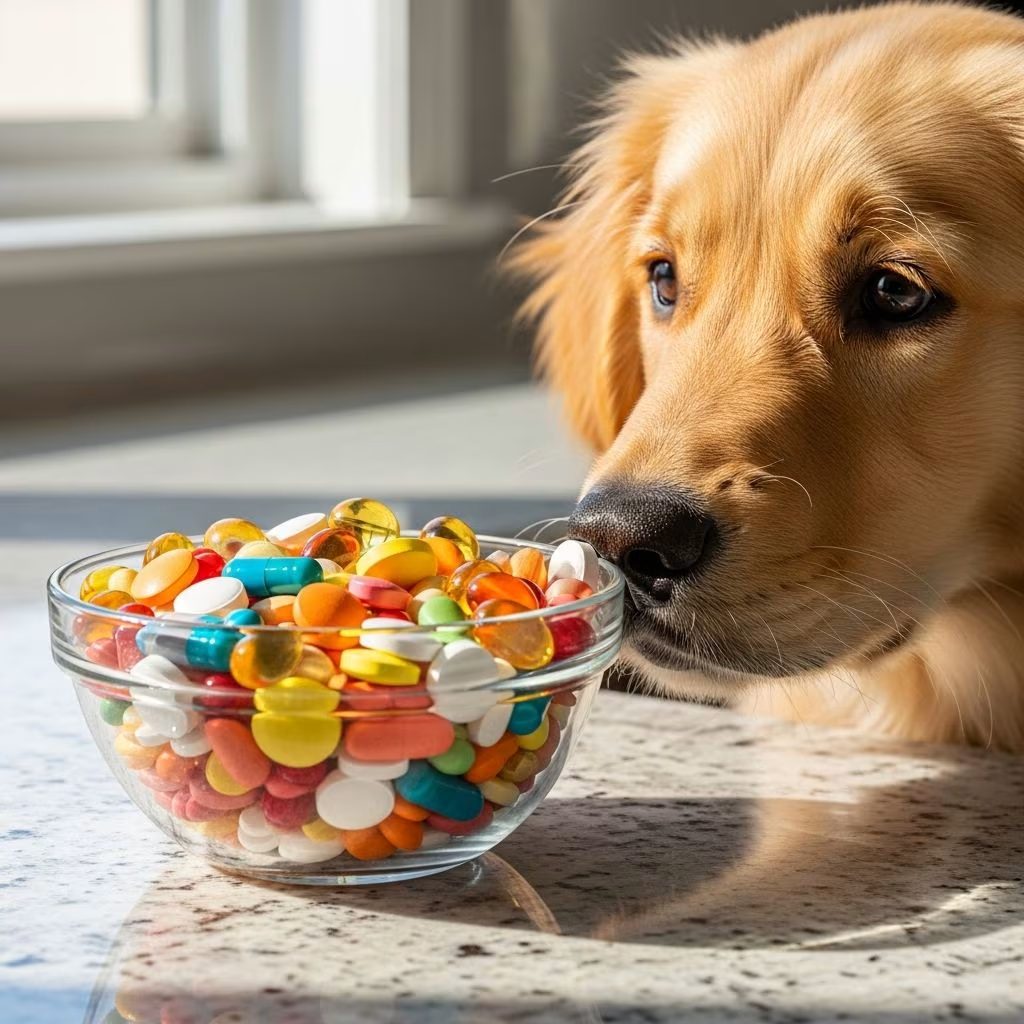
Human vitamins are not safe for dogs in most cases due to differing nutritional requirements, dosage levels, and potential toxicity risks from excess fat-soluble nutrients. Veterinary guidance is essential before offering any supplements to ensure your dog’s health remains protected.
Why Nutritional Needs Differ Between Dogs and Humans
Dogs and humans share basic dietary essentials like proteins, fats, carbohydrates, vitamins, minerals, and water, but the proportions and tolerances vary significantly. A dog’s metabolism processes these nutrients differently, making human-formulated products potentially harmful. For instance, complete commercial dog foods are designed to meet these precise needs based on age, breed, size, and activity level, often eliminating the necessity for extras.
Over-supplementation can disrupt this balance, leading to imbalances rather than benefits. Healthy dogs on premium diets typically receive adequate nutrition without additional vitamins, as confirmed by veterinary nutrition standards.
Potential Dangers of Human Vitamins for Canines
Administering human vitamins poses several risks, primarily from overdose and unintended ingredients. Fat-soluble vitamins (A, D, E, K) accumulate in the body since they are not easily excreted, unlike water-soluble ones (B-complex, C). High doses can cause toxicity affecting organs like the liver, kidneys, and heart.
- Overdose Toxicity: Human doses exceed canine tolerances, leading to buildup.
- Accidental Ingestion: Curious dogs may consume accessible pills, causing acute poisoning.
- Additives: Ingredients like xylitol or high iron in prenatal vitamins are toxic to dogs.
High-Risk Vitamins to Avoid Completely
Certain vitamins in human supplements demand caution due to their potency in dogs.
Vitamin A Overload
Vitamin A supports vision, skin, and immune function but becomes toxic in excess for dogs, who store it in the liver. Sources like cod liver oil or large supplement doses can trigger symptoms including vomiting, drowsiness, and joint issues. Toxicity thresholds are 10-1,000 times normal dietary needs.
Vitamin D Hazards
Known as the sunshine vitamin, it aids calcium absorption and bone health. However, excess elevates calcium and phosphorus, damaging kidneys and heart within 12-24 hours. Symptoms include vomiting, increased thirst, and lethargy. Common from rodenticides or supplements.
Vitamin E and K Concerns
While essential for cell protection and clotting, human doses risk accumulation without veterinary oversight. Dogs on balanced diets get sufficient amounts from food.
| Vitamin | Role in Dogs | Toxicity Risks | Sources of Danger |
|---|---|---|---|
| Vitamin A | Vision, skin health | Liver damage, bone deformities | Fish oils, multivitamins |
| Vitamin D | Bone strength, immunity | Kidney failure, heart issues | Supplements, rodenticides |
| Vitamin E | Antioxidant protection | Bleeding disorders (excess) | High-dose capsules |
| Vitamin K | Blood clotting | Rare but liver strain | Over-supplementation |
Lower-Risk Options: Water-Soluble Vitamins
Water-soluble vitamins like B-complex and C are safer as excess is excreted in urine, reducing toxicity odds. B vitamins aid energy, skin, and digestion, while C supports immunity. Still, human versions may contain unsafe fillers, so dog-specific formulas are preferable. Moderate C amounts pose low overdose risk but unnecessary for most dogs.
- B vitamins: Promote heart and coat health.
- Vitamin C: Antioxidant, generally tolerated.
- Omega-3s: Fish oil benefits joints and skin, but use pet versions.
Multivitamins and Prenatals: Major No-Nos
Human multivitamins pack 100% daily human values, far exceeding dog needs (often 20% in pet multis). They may include xylitol or iron, causing hypoglycemia or poisoning. Prenatals are especially risky due to iron overload, leading to organ damage. Immediate vet contact is needed if ingested.
Recognizing and Responding to Vitamin Toxicity
Symptoms appear rapidly: vomiting, diarrhea, abdominal pain, excessive thirst/urination, weakness, or seizures. Act fast—call your vet or poison hotline. Treatment involves decontamination, fluids, and monitoring blood levels. Prevention beats cure: secure storage is key.
When Might Supplements Benefit Dogs?
Not all dogs need extras. Assess via vet exam: seniors, working breeds, or those with conditions like allergies may require targeted support. Factors include diet quality, health issues, and lifestyle. Switch to AAFCO-approved foods first.
- Puppies/growth phases: Balanced puppy food suffices.
- Seniors: Joint or cognitive aids if vet-approved.
- Medical conditions: Prescription diets or supplements.
Choosing Safe Canine Supplements
Opt for vet-formulated products meeting National Research Council guidelines. Look for NASC seal for quality. Probiotics, glucosamine, or omegas can complement diets safely.
| Supplement Type | Benefits | Dosage Note |
|---|---|---|
| Dog Multivitamin | Nutrient gaps | Vet-dosed |
| Fish Oil | Skin, joints | Pet-specific EPA/DHA |
| Probiotics | Gut health | Strain-specific |
Frequently Asked Questions
Are human fish oil capsules okay for dogs?
They can provide omega-3s but check for xylitol. Squeeze liquid into food; prefer dog versions for purity.
Can dogs overdose on vitamin C?
Rarely, as it’s water-soluble, but excess causes diarrhea. Not needed routinely.
What if my dog ate human vitamins accidentally?
Contact vet immediately—provide vitamin type, amount, and dog details.
Do all dog foods need vitamin toppers?
No, quality complete foods cover needs. Test via bloodwork if concerned.
Is vitamin B12 safe from human sources?
In low doses possibly, but formulations vary. Vet supplements ensure safety.
Steps to Optimize Your Dog’s Nutrition
- Consult your veterinarian for personalized advice.
- Feed AAFCO-labeled complete diets.
- Monitor weight, coat, energy for health cues.
- Store human meds securely.
- Use only canine-approved supplements.
Prioritizing evidence-based nutrition keeps dogs thriving without unnecessary risks.
References
- Merck Veterinary Manual: Toxicoses in Animals From Human Multivitamins and Supplements — Merck & Co. 2023. https://www.merckvetmanual.com/toxicology/toxicoses-from-human-vitamins-minerals-and-dietary-supplements/toxicoses-in-animals-from-human-multivitamins-and-supplements
- PetMD: Are Human Vitamins and Supplements Dangerous for Pets? — PetMD. 2024. https://www.petmd.com/dog/nutrition/are-human-vitamins-and-supplements-dangerous-pets
- Purina: Can Dogs Take Human Vitamins & Supplements? — Purina US. 2024. https://www.purina.com/articles/dog/health/nutrition/can-dogs-take-human-vitamins
- Paramount Pet Health: What Human Vitamins Can I Give My Dog? — Paramount Pet Health. 2023. https://www.paramountpethealth.com/blogs/articles/what-human-vitamins-can-i-give-my-dog
- Merck Veterinary Manual: Vitamin Toxicity Overview — Merck & Co. 2023. https://www.merckvetmanual.com



