

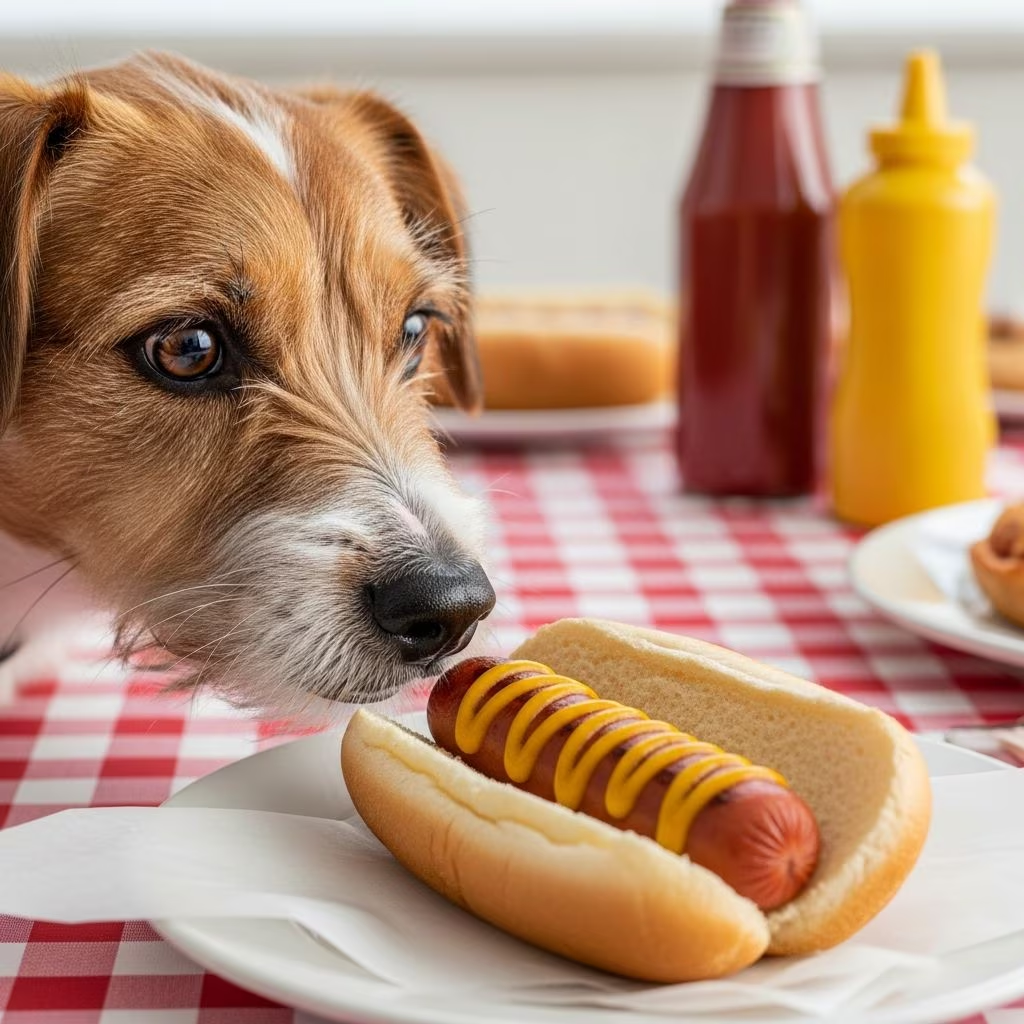
While hot dogs might tempt dogs with their savory aroma during barbecues, they are not ideal for regular consumption due to excessive sodium, fats, and potentially toxic additives. Veterinary experts recommend treating them as rare indulgences at best, always prepared properly to minimize harm.
Understanding the Composition of Hot Dogs
Hot dogs are processed meats typically made from beef, pork, or poultry mixed with fillers, preservatives, and flavorings. A standard hot dog packs around 150 calories, over 500 mg of sodium, and high saturated fats, far exceeding a medium-sized dog’s daily needs.
- High Fat Levels: Contribute to obesity and pancreatitis, especially in breeds prone to weight gain.
- Excessive Sodium: One hot dog can double the daily allowance for a 33-pound dog, risking dehydration and hypertension.
- Fillers and Sugars: Corn syrup and starches add empty calories with no nutritional benefit.
These elements make hot dogs a poor choice for canine diets, which thrive on balanced proteins, vegetables, and minimal processed foods.
Key Health Risks Associated with Hot Dogs
Feeding hot dogs introduces multiple hazards that can affect short-term comfort and long-term wellness.
Sodium Overload and Its Effects
Excess salt draws water from the body, leading to thirst, frequent urination, and dehydration. Chronic intake elevates blood pressure, straining the heart and kidneys.
| Risk | Symptoms | Potential Consequences |
|---|---|---|
| Dehydration | Increased thirst, dry gums | Salt poisoning (hypernatremia) |
| Hypertension | Lethargy, elevated heart rate | Organ damage over time |
| Thirst Imbalance | Excessive drinking | Electrolyte disruption |
Fat Content and Digestive Distress
The saturated fats in hot dogs can trigger pancreatitis, a painful inflammation of the pancreas requiring medical intervention. Initial signs include vomiting, diarrhea, and abdominal pain, particularly in sensitive or overweight dogs.
Toxic Additives and Preservatives
Sodium nitrate and nitrites, used for preservation, link to cancer risks in studies and may cause methemoglobinemia at high doses—up to 40 mg/kg can be lethal. Artificial flavors, MSG, and spices like garlic or onion powder damage red blood cells, as these are toxic to canines.
- MSG Risks: Linked to liver issues, obesity, and neurological effects.
- Artificial Sweeteners: Can provoke behavioral changes or toxicity.
Choking Dangers
The cylindrical shape and size make hot dogs a top choking hazard, especially for gulpers. Large breeds may swallow them whole, lodging in the throat and complicating removal.
To prevent this, slice into pea-sized pieces and supervise eating.
Special Considerations for Puppies and Sensitive Dogs
Puppies possess delicate digestive systems, making hot dogs unsuitable due to upset risks. Avoid entirely for those under one year.
Breeds with pancreatitis history, like Miniature Schnauzers, or those with allergies should steer clear. Senior dogs face amplified sodium-related heart strain.
How to Safely Offer Hot Dogs Occasionally
If sharing is unavoidable, follow these steps:
- Cook thoroughly to kill bacteria—never raw.
- Choose plain varieties without garlic, onions, or heavy seasonings; opt for low-sodium if available.
- Cut into tiny bites to avert choking.
- Limit to one small piece per 10 pounds of body weight, no more than once weekly.
- Monitor for reactions like vomiting or lethargy.
Consult a vet beforehand, especially for dogs with health conditions.
What to Do If Your Dog Consumes a Hot Dog
A single accidental hot dog rarely causes lasting harm but watch for:
- Vomiting or diarrhea lasting over 24 hours.
- Lethargy, bloating, or refusal to eat.
- Signs of toxicity from garlic/onion: pale gums, weakness.
Provide ample fresh water to counter salt. Seek vet care for persistent symptoms or known toxins.
Nutritional Comparison: Hot Dogs vs. Dog-Safe Treats
Hot dogs pale against purpose-made treats in nutrition.
| Treat Type | Calories (per oz) | Sodium (mg) | Protein (%) | Benefits |
|---|---|---|---|---|
| Hot Dog | 150+ | 500+ | 10-14 | Minimal; high risk |
| Carrot Stick | 11 | Trace | 1 | Vitamins, low-cal crunch |
| Plain Chicken | 45 | 20 | 25 | Lean protein, digestible |
| Commercial Treat | 30-50 | <100 | 20+ | Balanced, vet-formulated |
Healthier Alternatives to Hot Dogs
Opt for these vet-recommended options that mimic the fun without dangers:
- Vegetables: Carrots, green beans, or apple slices (no seeds) for chewing satisfaction.
- Lean Meats: Boiled chicken breast or turkey, diced small.
- Commercial Treats: Low-calorie, grain-free varieties with natural ingredients.
- DIY Options: Freeze broth in ice cube trays or bake sweet potato bites.
- Training Rewards: Tiny kibble pieces or freeze-dried liver.
These provide fiber, antioxidants, and protein while aiding dental health and weight control.
Long-Term Dietary Guidelines for Optimal Canine Health
A dog’s diet should be 90% complete food (kibble or wet) meeting AAFCO standards, with treats under 10% of calories. Prioritize whole foods to prevent obesity, allergies, and deficiencies.
Regular vet check-ups track weight and bloodwork, catching issues early. Hydration remains key—aim for 1 ounce per pound daily, more with salty slips.
Frequently Asked Questions
Are hot dogs ever okay for dogs?
In tiny, plain, cooked pieces as a rare treat—yes, but safer options abound. Consult your vet.
Can puppies have hot dogs?
No, their stomachs are too sensitive; stick to puppy-formulated foods.
What if my dog ate a raw hot dog?
Watch for illness; cook all hot dogs to eliminate bacteria. Vet if symptoms appear.
Do all hot dogs contain toxins like garlic?
Many do via seasonings—always check labels for plain versions.
How much is too much for a hot dog treat?
Limit to 1-2 small bites weekly max, based on size.
Can hot dogs cause pancreatitis?
Yes, fats trigger it; avoid in at-risk dogs.
References
- Can Dogs Eat Hot Dogs? Understanding the Risks and Benefits — Houndsy. 2023. https://www.houndsy.com/blogs/modern-tails/can-dogs-eat-hot-dogs-understanding-the-risks-and-benefits
- Can Dogs Eat Hot Dogs? — Chewy. 2024. https://www.chewy.com/education/dog/food-and-nutrition/can-dogs-eat-hot-dogs
- Is it safe if Dogs Eat Hot Dogs? (Vet-Reviewed) — Dial A Vet. 2024. https://www.dialavet.com/blog/is-it-safe-if-dogs-eat-hot-dogs-vet-reviewed
- Can Dogs Eat Hot Dogs? — American Kennel Club (AKC). 2023-10-15. https://www.akc.org/expert-advice/nutrition/can-dogs-eat-hot-dogs/
- 5 Reasons Hot Dogs Aren’t Cool For Your Dog — Dogs Naturally Magazine. 2023. https://www.dogsnaturallymagazine.com/can-dog-eat-hot-dogs/
- Can Dogs Eat Hot Dogs? — PetMD. 2024. https://www.petmd.com/dog/nutrition/can-dogs-eat-hot-dogs



