

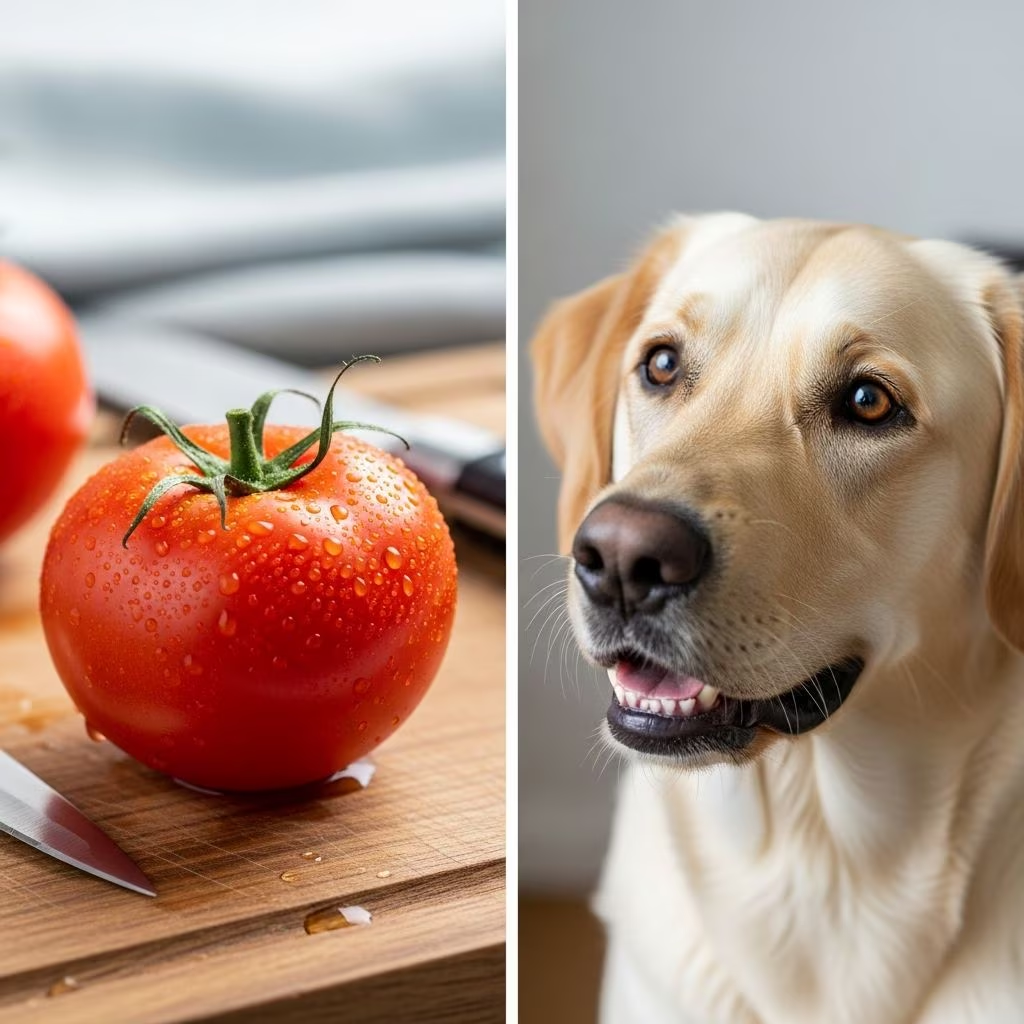
As a dog owner, you naturally want to share your meals with your furry friend, and fresh produce often seems like a healthy choice. Tomatoes are a common ingredient in many households, and you might wonder if they’re a suitable snack for your canine companion. The answer is more nuanced than a simple yes or no. While dogs can enjoy certain forms of tomatoes, there are specific conditions and precautions that responsible pet owners should understand before offering them to their pets.
The Basic Answer: Ripe Tomatoes in Moderation
Dogs can safely consume ripe, red tomatoes in small quantities as an occasional treat. The key word here is “ripe”—fully mature tomatoes that have turned their characteristic red color are generally non-toxic to dogs when served plain and without any added seasonings or oils. However, this safety clearance comes with important caveats and limitations that every dog owner should recognize before introducing tomatoes into their pet’s diet.
Understanding the Nightshade Connection
Tomatoes belong to a plant family called nightshades, which includes other common vegetables such as potatoes, bell peppers, and eggplants. This botanical classification is important because plants in the nightshade family contain naturally occurring compounds that can potentially harm animals. Understanding these compounds is essential for making informed decisions about your dog’s nutrition.
The primary compounds of concern in tomato plants are solanine and tomatine. These alkaloid substances serve as natural pesticides in the plant and are present in significantly higher concentrations in the green, unripe portions of the fruit and the foliage. As tomatoes mature and develop their red color, these toxic levels diminish considerably, making ripe tomatoes much safer for canine consumption.
Which Parts of the Tomato Plant Are Dangerous
Not all parts of the tomato plant present equal risk levels. Understanding these distinctions helps you protect your dog from accidental poisoning:
- Green, unripe tomatoes: Contain substantially higher levels of tomatine and should never be fed to dogs under any circumstances
- Stems and leaves: These green components harbor the highest concentrations of toxic compounds and must always be removed before any tomato is offered to a dog
- Ripe, red flesh: The mature fruit body contains minimal tomatine levels and is considered safe for dogs in small amounts
- Seeds: While not toxic, seeds can present a choking hazard and may cause minor digestive upset in some dogs
Recognizing Signs of Tomatine Toxicity
If your dog has consumed unripe tomatoes, green parts of the plant, or large quantities of tomato products, awareness of poisoning symptoms is crucial for timely veterinary intervention. Tomatine toxicity can manifest in various ways depending on the amount ingested:
| Symptom Category | Specific Signs | Severity Level |
|---|---|---|
| Gastrointestinal | Drooling, vomiting, diarrhea, loss of appetite | Mild to Moderate |
| Neurological | Tremors, seizures, lack of coordination | Moderate to Severe |
| Systemic | Weakness, lethargy, abnormal heart rate | Moderate to Severe |
Any dog displaying these symptoms should receive immediate veterinary attention. While tomatine poisoning from accidental tomato consumption is relatively rare, prompt professional evaluation can prevent complications and ensure appropriate treatment.
The Challenge of Acidity in Tomatoes
Beyond the toxin concern, ripe tomatoes present another consideration related to their natural acidity. Dogs with sensitive digestive systems may experience stomach upset when consuming acidic foods. This can manifest as mild symptoms like diarrhea or gas, particularly if a dog consumes more than a small amount at once. Additionally, dogs with pre-existing conditions such as acid reflux, chronic gastroenteritis, or kidney disease may be more susceptible to adverse reactions from tomato consumption.
The acidity can irritate the stomach lining and potentially exacerbate underlying digestive issues. Therefore, dogs with known gastrointestinal sensitivities should probably avoid tomatoes altogether, and any introduction should be gradual and minimal.
Proper Serving Guidelines for Safe Consumption
If you decide to offer your dog a tomato treat, following these guidelines minimizes risks and maximizes safety:
- Select only fully ripe, red tomatoes with no green coloring remaining
- Thoroughly wash the tomato to remove any pesticide residues, especially if non-organic
- Remove all stems, leaves, and the core completely
- Cut into appropriately sized pieces based on your dog’s size to prevent choking hazards
- Serve plain without salt, seasonings, oils, or any additives
- Offer only in moderation as an occasional treat, not a regular dietary component
- Introduce gradually while monitoring for any signs of digestive upset
Small dog breeds require particular attention regarding portion size and choking risk, as even cherry tomatoes can pose a hazard.
Processed Tomato Products: Generally Not Recommended
While fresh ripe tomatoes in moderation may be acceptable, processed tomato products are typically unsuitable for dogs:
Tomato Sauce and Ketchup: Commercial versions contain added sugars, salt, preservatives, and often include garlic and onions—all potentially harmful to dogs. These additives can cause digestive upset or, in the case of garlic and onions, damage red blood cells.
Tomato Soup: This prepared dish typically contains multiple problematic ingredients including sugar, cream, seasonings, and often garlic—making it unsuitable for canine consumption.
Canned Tomatoes: Most canned tomato products contain added salt and preservatives. Only organic, unseasoned, salt-free varieties might be acceptable in very small amounts, but plain fresh tomatoes are a safer choice.
Nutritional Considerations and Benefits
When tomatoes are appropriate for a dog, they do offer some nutritional value. Ripe tomatoes contain vitamins A and C, potassium, and antioxidants that support immune function, vision, and overall health. Vitamin B9 (folate) found in tomatoes aids healthy cell development and tissue growth. However, these benefits are modest and can be obtained more safely from other dog-friendly vegetables and commercial dog foods formulated to meet canine nutritional requirements.
The potential risks of tomato consumption generally outweigh these modest nutritional benefits, making tomatoes an optional treat rather than a dietary necessity.
Special Situations and Contraindications
Certain dogs should avoid tomatoes entirely. These include dogs with:
- History of gastrointestinal sensitivity or digestive disorders
- Acid reflux or similar esophageal conditions
- Kidney disease or other chronic health conditions
- Small breed status (due to choking risk with even small tomato pieces)
- Known sensitivities to nightshade vegetables
When in doubt about your individual dog’s suitability for any new food, consultation with your veterinarian provides personalized guidance based on your pet’s health status and dietary needs.
Frequently Asked Questions
Can dogs eat cherry tomatoes?
Cherry tomatoes are technically safe if fully ripe, but they present a notable choking hazard, especially for small dogs. If you offer them, cut them into quarters and always supervise closely.
What if my dog ate a green tomato?
Small amounts of accidentally consumed green tomato typically cause no serious harm, but monitor your dog for symptoms of tomatine poisoning including drooling, vomiting, lethargy, or tremors. Contact your veterinarian if any concerning symptoms develop.
Are organic tomatoes safer than conventional ones?
Organic tomatoes avoid synthetic pesticide residues, making them a slightly safer choice if you decide to offer tomatoes to your dog.
Can dogs eat tomato juice or paste?
Concentrated tomato products like paste or juice are not recommended for dogs. They concentrate both the nutrients and any potential concerns, and commercial versions typically contain added salt and seasonings.
How much tomato is safe for my dog?
If offering ripe tomato as an occasional treat, limit to very small quantities—essentially a few small pieces as a rare snack, not a regular treat. Tomatoes should never comprise a significant portion of your dog’s daily food intake.
Making the Best Decision for Your Dog
The simplest and safest approach for most dog owners is to avoid offering tomatoes altogether. While ripe tomatoes are technically safe in minimal amounts, they provide limited nutritional benefit and present unnecessary risks—toxin exposure, acidity concerns, choking hazards, and digestive upset. Commercial dog foods and treats formulated by pet nutritionists provide complete and balanced nutrition specifically designed for canine health requirements.
If you wish to offer your dog fresh produce treats, safer alternatives include carrots, green beans, pumpkin, and apples (without seeds), which provide nutritional benefits without the complications associated with tomatoes.
Your dog’s health and safety should always take priority over sharing your meals. When in doubt about any food’s appropriateness for your dog, consulting your veterinarian ensures you make informed decisions that align with your individual pet’s health status and dietary needs.
References
- Can Dogs Eat Tomatoes? A Guide to Safety — Purina US. 2024. https://www.purina.com/articles/dog/feeding/can-dogs-eat/tomatoes
- Can Dogs Eat Tomatoes: Unveiling the Truth — Red Gold. 2024. https://www.redgoldtomatoes.com/redgoldtomatoes/post/can-dogs-eat-tomatoes-unveiling-the-truth
- Can Dogs Eat Tomatoes? — Chewy. 2024. https://www.chewy.com/education/dog/food-and-nutrition/can-dogs-eat-tomatoes
- Can Dogs Eat Tomatoes? — Sahara Pines Animal Hospital. 2024. https://saharapinesah.com/blog/can-dogs-eat-tomatoes/
- Can Dogs Eat Tomatoes? — James Wellbeloved. 2024. https://wellbeloved.com/blogs/dog-health/can-dogs-eat-tomatoes/
- Can Dogs Eat Tomatoes? Benefits, Risks, and Feeding Tips — PetMD. 2024. https://www.petmd.com/dog/nutrition/can-dogs-eat-tomatoes
- Can Dogs Eat Tomatoes? — American Kennel Club. 2024. https://www.akc.org/expert-advice/nutrition/can-dogs-eat-tomatoes/



