

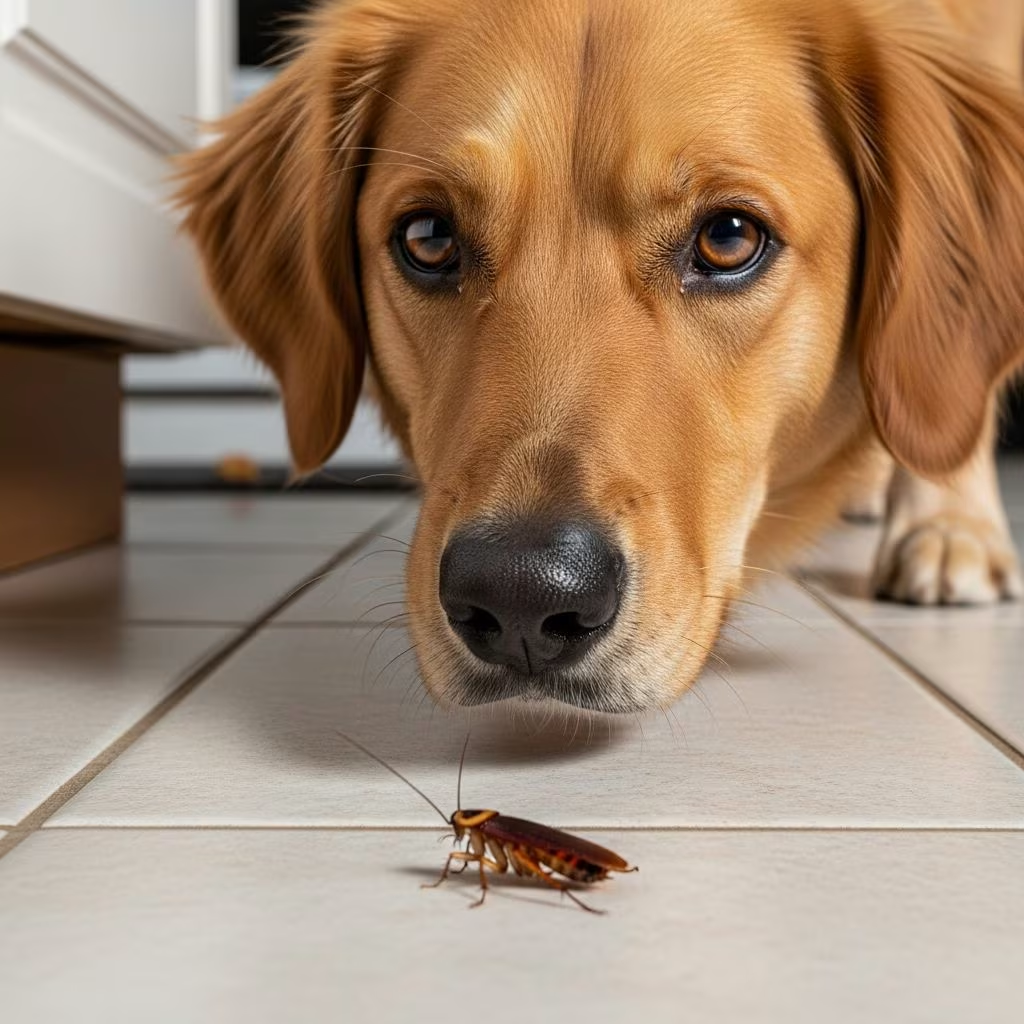
Cockroaches pose no inherent toxicity to dogs, but their consumption can introduce several health hazards ranging from mild digestive disturbances to serious parasitic infections. Understanding these risks empowers pet owners to respond effectively and safeguard their companions’ well-being.
Understanding the Appeal of Cockroaches to Dogs
Dogs exhibit a strong prey drive, a remnant of their ancestral instincts, making fast-moving insects like cockroaches irresistible targets. The scurrying motion triggers an immediate chase response, turning bug-hunting into an exciting game. This behavior is particularly pronounced in breeds with high energy levels or herding backgrounds, where stimulation through play mimics natural foraging.
While this instinct provides mental enrichment, it often leads to ingestion. Owners frequently witness their pets snapping up roaches in homes, garages, or yards, especially in areas with pest activity. Recognizing this as normal canine curiosity helps in addressing it without undue punishment, focusing instead on redirection and environmental control.
Primary Health Risks Associated with Cockroach Ingestion
Although a single cockroach rarely causes severe harm, repeated or contaminated encounters amplify dangers. Key concerns include physical trauma, allergic reactions, bacterial contamination, parasitic transmission, and chemical exposure.
1. Physical Injury from Exoskeletons
Cockroaches possess a chitinous exoskeleton, a tough, rigid outer layer that resists breakdown in a dog’s digestive system. This hardness can result in:
- Choking hazards, especially for small breeds tackling larger specimens.
- Scratches or abrasions in the mouth, throat, or esophagus during chewing.
- Gastrointestinal irritation leading to nausea, vomiting, or blockages in extreme cases.
Smaller dogs face heightened vulnerability due to size mismatches, where a roach’s dimensions exceed safe swallowing capacity.
2. Potential Allergic Responses
Some dogs develop sensitivities to cockroach proteins or environmental allergens. Manifestations include:
- Itchy skin, excessive scratching, or hives.
- Digestive symptoms like diarrhea or gas if ingested allergens provoke gut reactions.
Research on canine cockroach allergies remains limited, but parallels exist with other insect sensitivities, warranting observation in prone animals.
3. Bacterial Contamination Threats
Cockroaches thrive in unsanitary conditions, harboring over 30 bacterial strains including Salmonella, E. coli, and Staphylococcus. Ingestion risks:
- Acute gastroenteritis with vomiting, diarrhea, and abdominal pain.
- Lethargy, fever, or dehydration in prolonged cases.
Symptoms typically emerge within 1-24 hours, resolving naturally in mild instances but requiring intervention if persistent.
4. Parasite Transmission Vectors
Roaches serve as intermediate hosts for parasites like Physaloptera (stomach worms) and roundworm eggs. These can:
- Attach to stomach linings, causing gastritis, vomiting, or weight loss.
- Spread systemically, leading to broader infestations if untreated.
Veterinary deworming effectively counters these threats, often administered prophylactically.
5. Pesticide and Toxin Exposure
Even without home treatments, roaming roaches may carry residues from neighboring pest controls. Toxicants like organophosphates or pyrethroids, lethal in tiny doses to insects, pose secondary risks to dogs:
- Drooling, tremors, or seizures in high exposures.
- Primarily gastrointestinal upset from low-level contact.
Dosages fatal to roaches seldom poison dogs outright, but vigilance is essential.
Symptoms to Monitor After Ingestion
Post-ingestion vigilance is crucial. Watch for these red flags over 24-48 hours:
| Symptom Category | Common Signs | Action Level |
|---|---|---|
| Digestive | Vomiting, diarrhea, loss of appetite, bloating | Monitor; vet if >24 hours |
| Behavioral | Lethargy, restlessness, hiding | Immediate vet check |
| Physical | Choking, drooling, pawing at mouth, tremors | Emergency care |
| Allergic | Itching, swelling, hives | Vet for antihistamines |
Dehydration from fluid loss exacerbates issues, so ensure water access and note urine output.
Immediate Response Steps for Pet Owners
Stay calm—most incidents resolve without intervention. Follow this protocol:
- Remove access to additional roaches and clean the area.
- Observe closely without feeding solids for 12 hours if mild upset occurs.
- Encourage hydration with fresh water or electrolyte solutions.
- Contact a vet if symptoms appear, providing details on roach size, number, and environment.
- Schedule fecal/parasite checks for ongoing prevention.
Tele-vet services offer quick guidance when clinics are unavailable.
Preventive Strategies to Deter Cockroach Consumption
Proactive measures minimize risks:
- Pest Management: Seal entry points, use natural repellents like diatomaceous earth or essential oils (peppermint, eucalyptus), and employ professional extermination if infestations persist.
- Environmental Controls: Maintain cleanliness, store food securely, and fix leaks to reduce roach attractants.
- Training Techniques: Employ “leave it” commands with positive reinforcement; provide puzzle toys or flirt poles to channel prey drive.
- Supervision: Keep high-prey-drive dogs leashed outdoors and monitored indoors.
- Health Maintenance: Regular deworming, vaccinations, and annual check-ups bolster resilience.
These steps create a safer habitat while respecting natural behaviors.
Special Considerations for Vulnerable Dogs
Puppies, seniors, and those with pre-existing conditions (e.g., IBD, allergies) merit extra caution. Small breeds like Chihuahuas risk more from physical hazards, while immunocompromised pets face amplified infection threats. Tailor prevention to individual profiles.
Common Myths Debunked
- Myth: All insects are safe snacks. While many are harmless, roaches uniquely carry human/animal pathogens.
- Myth: One roach won’t hurt. Cumulative exposure builds risks over time.
- Myth: Vomiting means poisoning. Often just mechanical irritation; context matters.
Frequently Asked Questions
Is a single cockroach ingestion dangerous for my dog?
Rarely, but monitor for upset. Risks stem from contaminants, not the insect itself.
How long do symptoms take to appear?
Typically 1-24 hours for digestive issues; parasites may delay.
Should I induce vomiting?
No—consult a vet first, as it risks aspiration.
Can cockroaches infest my dog like fleas?
No, they don’t live on pets but transmit internal parasites.
Are there safe insect treats for dogs?
Yes, commercially raised options like crickets provide nutrition without wild risks.
Long-Term Health Implications
Occasional incidents pose minimal threats, but habitual consumption heightens parasite loads and bacterial exposure, potentially straining immunity. Integrate pest control with routine vet care for sustained protection. Educating on these nuances fosters responsible ownership, ensuring dogs thrive pest-free.
References
- My dog just ate a cockroach, is that dangerous? – Dial A Vet — Dial A Vet. 2024. https://www.dialavet.com/vet-answers/dog-ate-cockroach-health-risks-5424
- Can Dogs Eat Cockroaches? Possible Health Risks & Care Tips — Dogster. 2024. https://www.dogster.com/dog-health-care/can-dogs-eat-cockroaches
- My Dog Ate a Cockroach: Here’s What to Do (Vet-Reviewed) — Hepper. 2024. https://articles.hepper.com/my-dog-ate-a-cockroach-what-to-do/



