

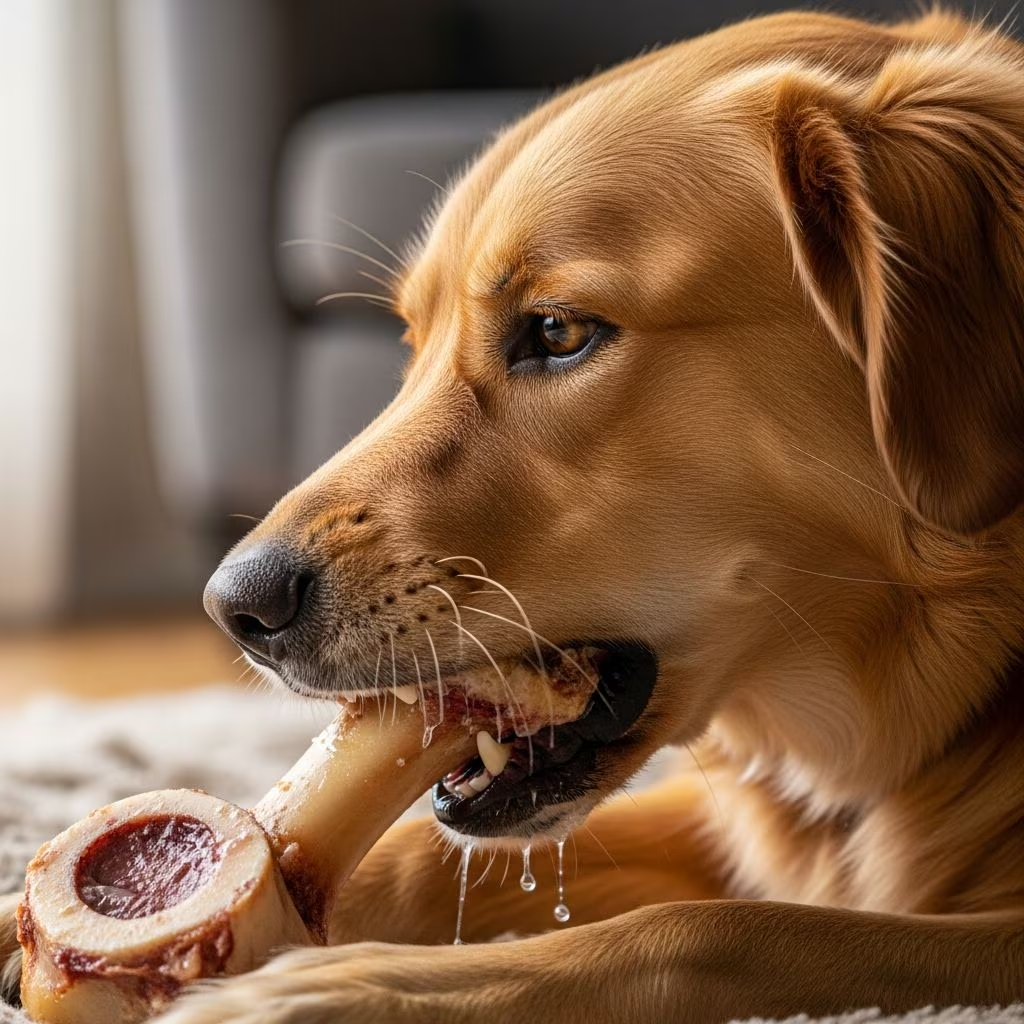
Dogs have a natural instinct to chew, often drawn to bones as a way to exercise their jaws and explore flavors. However, not all bones are safe, and many can lead to severe health issues. Veterinary experts strongly advise against giving most bones to dogs due to risks like splintering, choking, and infections.
Understanding the Appeal of Bones for Dogs
Bones captivate dogs because they mimic prey items from their ancestral diets, providing texture and taste that engage their senses. Chewing also helps clean teeth by scraping away plaque and satisfies mental needs, reducing boredom and destructive behavior. Despite these benefits, the potential for harm far outweighs them in most cases.
Nutritionally, bones attached to meat or tissue offer calcium, protein, and collagen, which support bone health and joint function. Yet, these gains are minimal compared to the dangers, and balanced commercial dog foods already meet these needs without the risks.
Major Health Risks Associated with Bones
Feeding bones to dogs can result in immediate and long-term problems. Here’s a breakdown of the primary concerns:
- Choking Hazards: Small or round bones can lodge in the throat, blocking airways and requiring emergency intervention.
- Splintering and Internal Damage: Sharp fragments pierce the mouth, esophagus, stomach, or intestines, leading to bleeding, perforations, or blockages.
- Dental Injuries: Hard bones crack teeth, causing pain, infections, and costly veterinary dental work.
- Gastrointestinal Upset: Fragments irritate the stomach, prompting vomiting, diarrhea, constipation, or pancreatitis from fatty marrow.
- Bacterial Contamination: Raw bones harbor pathogens like Salmonella or E. coli, risking illness for dogs and humans in the household.
These issues affect dogs of all sizes, but puppies, seniors, and aggressive chewers face heightened vulnerability.
Cooked vs. Raw Bones: A Comparative Analysis
The preparation method dramatically influences bone safety. Use this table to compare key differences:
| Type | Key Risks | Safety Level | Examples |
|---|---|---|---|
| Cooked Bones | Splinter easily into sharp shards; nutrient loss from heat; high choking risk | Highly Dangerous | Chicken, turkey, rib, pork after roasting |
| Raw Bones | Bacterial risks; potential splintering or tooth breakage; constipation from overuse | Conditionally Safer (with precautions) | Beef femur, knuckle bones from trusted sources |
Cooked bones become brittle through the cooking process, turning into hazardous projectiles when chewed. Raw bones retain flexibility but demand strict handling to mitigate germs.
Which Specific Bones to Avoid Completely
Certain bones are universally risky due to their structure or commonality in households:
- Chicken and Turkey Bones: Hollow and thin, they shatter readily, causing punctures or obstructions. Raw versions carry bacterial loads.
- Pork Rib Bones: Prone to splintering; raw ones risk Salmonella transmission.
- Beef Rib or T-Bones: Shape allows lodging in the throat or jaw, leading to airway blockage or sedation for removal.
- Small or Round Bones: Easily swallowed whole or stuck in windpipes; avoid fish bones or poultry necks.
- Weight-Bearing Bones from Large Animals: Excessively hard, fracturing teeth despite being raw.
Even “safe” appearances deceive—always err on caution.
Guidelines for Raw Bones If You Choose to Offer Them
While not ideal, some owners opt for raw bones under veterinary guidance. Follow these strict protocols:
- Select large, meaty bones (e.g., beef knuckles) matching your dog’s head size, with knobby ends to prevent swallowing.
- Source from reputable butchers; ensure freshness and proper refrigeration.
- Supervise chewing sessions; discard after 1-2 days or if splintered.
- Chill bones before offering to reduce bacterial growth and enhance appeal.
- Limit to occasional treats; monitor for constipation and consult a vet if stools harden.
Puppies and small breeds should never receive bones, as their jaws can’t handle the stress.
Safe and Healthy Alternatives to Traditional Bones
Skip bones altogether by choosing vet-endorsed chews that mimic benefits without dangers:
- Dental Chews: Designed to scrape tartar; enzymatic formulas fight bacteria (e.g., those meeting VOHC standards).
- Nylabones or Nylon Toys: Durable, flavored options for long-lasting gnawing.
- Frozen Carrots or Apples: Crunchy, low-calorie veggies soothe gums safely.
- Antlers or Hooves (Softened): Naturally shed, softer varieties reduce tooth risks.
- Commercial Bully Sticks or Tendons: Protein-rich, digestible, and odor-controlled.
Rotate options to prevent boredom and match your dog’s size and chewing style. Always introduce new items gradually to watch for allergies.
Recognizing and Responding to Bone-Related Emergencies
If your dog ingests a bone, act swiftly:
- Observe Symptoms: Gagging, drooling, vomiting blood, lethargy, abdominal pain, or constipation signal trouble.
- Don’t Induce Vomiting: Fragments could cause more harm on the way up.
- Contact Vet Immediately: X-rays or endoscopy may be needed; early intervention prevents surgery.
- Prevention Tips: Secure trash, train “leave it” commands, and dine away from pets.
Blockages can escalate to life-threatening sepsis within hours—prompt care saves lives.
Frequently Asked Questions About Dogs and Bones
Are raw beef bones okay for dogs?
They are safer than cooked but still risky for bacteria, splinters, or tooth damage. Use sparingly with supervision.
Can puppies have bones?
No—developing teeth and jaws are too fragile; stick to soft toys.
What if my dog ate a cooked bone by accident?
Call your vet right away, even if asymptomatic, for monitoring advice.
Do bones clean dogs’ teeth?
They may scrape but often cause more damage; opt for dental chews instead.
Are smoked bones safe?
No—smoking is a cooking process that makes them brittle and adds unhealthy seasonings.
Long-Term Strategies for a Chewing-Safe Home
Integrate chewing into your dog’s routine thoughtfully. Provide daily outlets like puzzle toys stuffed with kibble to redirect energy. Regular vet check-ups catch dental issues early, and professional cleanings maintain oral health. Tailor choices to breed traits—retrievers love fetch toys, while power chewers need heavy-duty options.
Educate family members on risks, especially around holidays with turkey carcasses. Transitioning from risky habits builds trust and prevents accidents. A bone-free environment lets your dog thrive without peril.
References
- Can Dogs Eat Bones? — PetMD. 2023. https://www.petmd.com/dog/nutrition/can-dogs-eat-bones
- Dog Bone Safety: Can Dogs Eat Bones? — Pflugerville Vet. 2023-10-30. https://www.pflah.com/site/blog/2023/10/30/dog-bone-safety
- Can Dogs Eat Chicken Bones: Assessing the Emergency Risk — GSVS. N/A. https://gsvs.org/blog/dog-ate-chicken-bones-emergency/
- Dog Bone Safety — Brookfield Pet Hospital. 2024-05-17. https://www.brookfieldpethospital.com/site/blog/2024/05/17/dog-bone-safety
- Can Dogs Eat Bones? — American Kennel Club. N/A. https://www.akc.org/expert-advice/nutrition/can-dogs-eat-bones/
- Dog Bone Safety: Can Dogs Eat Bones? — Ridgemont Animal Hospital. 2023-07-15. https://www.ridgemontanimalhospital.com/site/blog/2023/07/15/dog-bone-safety–can-dogs-eat-bones
- Can dogs eat bones safely? — Advanced Care Animal Clinic. 2023-02-15. https://www.advancedcareanimalclinic.com/site/blog/2023/02/15/dog-bone-safely



