

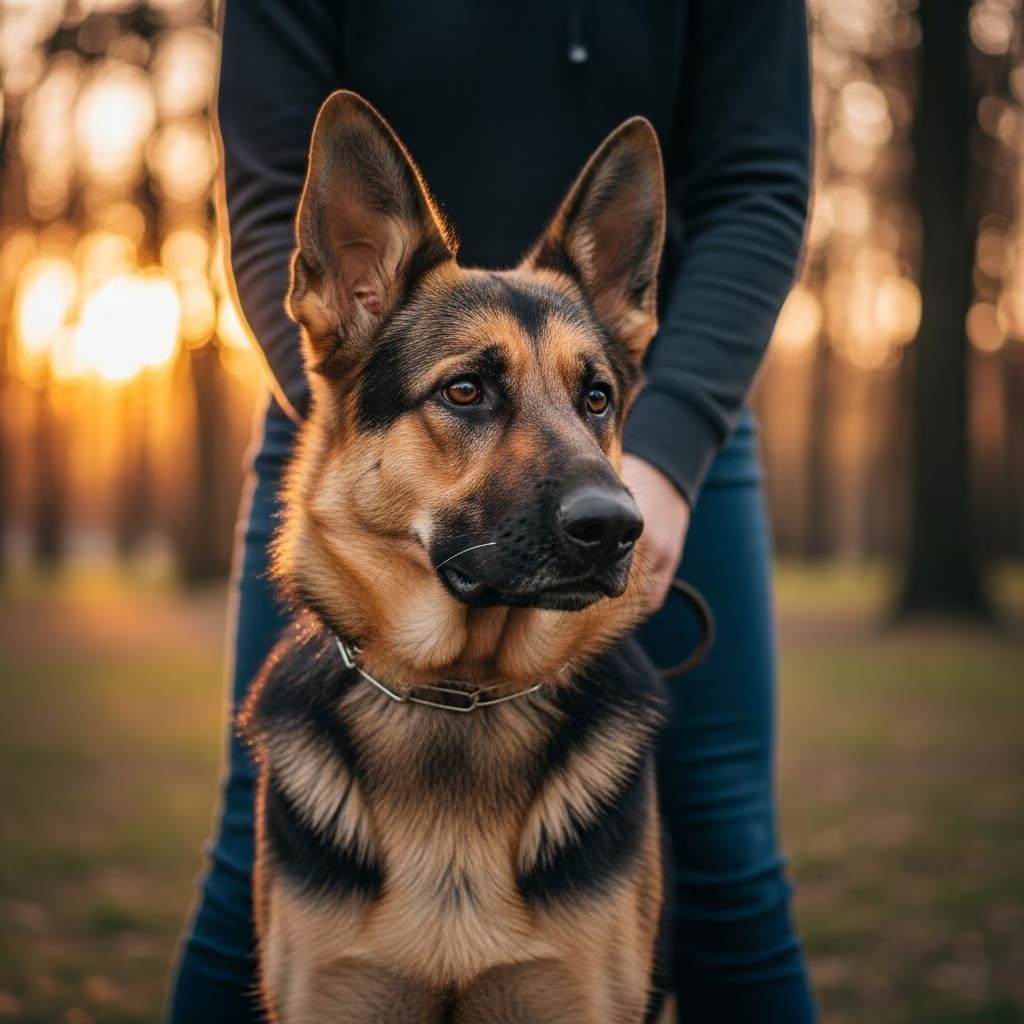
Dogs possess a remarkable blend of loyalty and vigilance that often leads owners to wonder if their pet would intervene during a physical threat. While some dogs exhibit natural protective behaviors, reliability depends on genetics, upbringing, and training rather than pure instinct alone. This article delves into the science behind canine guardianship, examining when dogs might defend their humans and how to cultivate this trait safely.
The Roots of Canine Protectiveness
At the heart of a dog’s potential to protect lies its evolutionary history. Domesticated from wolves over thousands of years, dogs have developed strong pack bonds that extend to their human families. This bond can trigger defensive responses when a perceived threat arises, but not all dogs react the same way.
Research highlights that positive early experiences foster confidence and stability in dogs, making them more likely to respond appropriately to danger. For instance, reward-based training methods have been shown to produce less fearful and more obedient dogs compared to punitive approaches. These dogs maintain composure, scanning for handler cues rather than reacting impulsively.
- Breed genetics: Herding and livestock guardian breeds often show heightened territorial instincts.
- Individual temperament: Bold, confident puppies raised in stable environments are prime candidates for protective roles.
- Environmental cues: Familiar settings amplify a dog’s willingness to defend its territory.
However, assuming every dog will leap into action overlooks variability. Many family pets prioritize flight over fight, especially if untrained or startled.
Factors That Shape a Dog’s Response to Danger
Several elements determine whether a dog intervenes during an attack. Understanding these helps set realistic expectations.
| Factor | Influence on Protection | Examples |
|---|---|---|
| Breed Predisposition | High in guardian breeds; variable in others | German Shepherds, Rottweilers excel; small breeds less likely |
| Training Level | Trained dogs respond on command; untrained may freeze | Professional programs build control and threat discernment |
| Owner-Dog Bond | Strong relationships yield reliable defense | Daily interaction boosts loyalty and cue responsiveness |
| Threat Context | Clear aggression prompts action; ambiguity causes hesitation | Sudden attacks on home turf increase intervention odds |
Professional trainers emphasize that control precedes protection. Dogs must master obedience basics like sit, stay, and recall before advancing to threat simulation. Without this foundation, even protective breeds risk misdirected aggression.
Training Methods for Reliable Guardians
Effective protection training transforms natural instincts into dependable skills. Modern approaches prioritize positive reinforcement, avoiding the pitfalls of fear-based techniques that can erode trust and heighten reactivity.
Programs typically progress in stages:
- Foundation Obedience: Instill core commands for unwavering control in distractions.
- Socialization Expansion: Expose the dog to diverse stimuli, teaching neutrality toward non-threats.
- Threat Recognition: Use controlled scenarios to differentiate danger from normal activity.
- Controlled Engagement: Teach attack and release on handler command only.
Studies confirm these methods’ superiority. Dogs trained with rewards demonstrate greater stability, reduced fear, and enhanced learning agility. A 2004 study found reward-trained dogs outperformed punishment-trained ones in obedience and emotional resilience, while 2008 research linked aversives to increased aggression.
Handlers must also train alongside their dog. Certification programs ensure humans can direct responses effectively, preventing liability.
Real-World Performance: What to Expect
In practice, well-trained protection dogs deter threats through presence alone, responding decisively when needed. They alert to intruders, provide immediate physical intervention, and maintain family safety without off-leash risks.
Anecdotal evidence from trainers underscores reliability: professionally prepared dogs distinguish family friends from foes, adapting to home life seamlessly. Yet, untrained dogs might bark alerts but rarely escalate to defense, especially against armed attackers.
Key benefits include:
- Deterrence superior to alarms, as living guardians react dynamically.
- Strengthened owner-dog bonds via shared training.
- Mental and physical enrichment, reducing boredom-related issues.
Risks and Myths of Amateur Protection Training
DIY bite work or aggression encouragement often backfires. Without expertise, dogs may develop unpredictable reactivity, endangering visitors or children. Drives like prey and defense must be understood to channel properly; mishandling amplifies fear rather than focus.
Myth: Bigger or meaner dogs protect best. Reality: Controlled, confident dogs outperform aggressive ones. Punishment methods, once standard, now face rejection by veterinary bodies favoring rewards for ethical and practical reasons.
Choosing the Right Dog for Protection
Selecting a candidate involves assessing temperament over appearance. Puppies from working lines with stable genetics offer the best start. Professional evaluation tests for nerves, drive, and sociability.
Adult adoptions require caution; past trauma can undermine trainability. Reputable breeders or trainers provide health-tested stock suited for dual roles as pet and protector.
Enhancing Everyday Safety with Your Dog
Even non-specialist dogs bolster security through basic training. Teach alert barking, boundary patrols, and recall to amplify vigilance without specialization.
Integrate protection elements gradually: desensitize to strangers, practice heeling in crowds, and reward calm watchfulness. This builds a versatile companion ready for subtle threats.
Frequently Asked Questions
Will any dog protect me from an attacker?
No, instinct varies widely. Breeds with guardian heritage and proper training are most reliable.
How long does protection training take?
Typically 6-12 months for full proficiency, starting with puppies for optimal results.
Is positive reinforcement effective for protection dogs?
Yes, science shows it produces stable, adaptable guardians superior to aversive methods.
Can family pets undergo protection training?
Yes, if temperament suits; it enhances obedience without altering pet-like qualities.
What if my dog ignores commands in danger?
Reinforce training consistency and handler skills to ensure compliance under stress.
Legal Considerations for Protection Dogs
Liability laws differ by region; trained dogs under control minimize risks. Insurance and local breed restrictions warrant review. Handler certification proves responsible ownership.
References
- Positive Reinforcement in Protection Dog Training: Does It Work? — Vanguard Protection Dogs. 2004 (study referenced). https://www.vanguardprotectiondogs.com/positive-reinforcement-in-protection-dog-training-does-it-work/
- Top 4 Benefits of Trained Protection Dogs For Security — K-9 Specialist. Accessed 2026. https://k-9specialist.com/benefit-of-professionally-trained-protection-dog/
- What is Protection Training? — Better K9 Pet Resort. Accessed 2026. https://www.betterk9petresort.com/blog/what-is-protection-training/
- Training Tips for Guard Dogs: Safety and Effectiveness — XInsurance. Accessed 2026. https://www.xinsurance.com/blog/training-tips-for-guard-dogs-safety-and-effectiveness/
- Can I Train My Own Dog in Bite Work? — Leerburg. Accessed 2026. https://leerburg.com/drives.htm



