

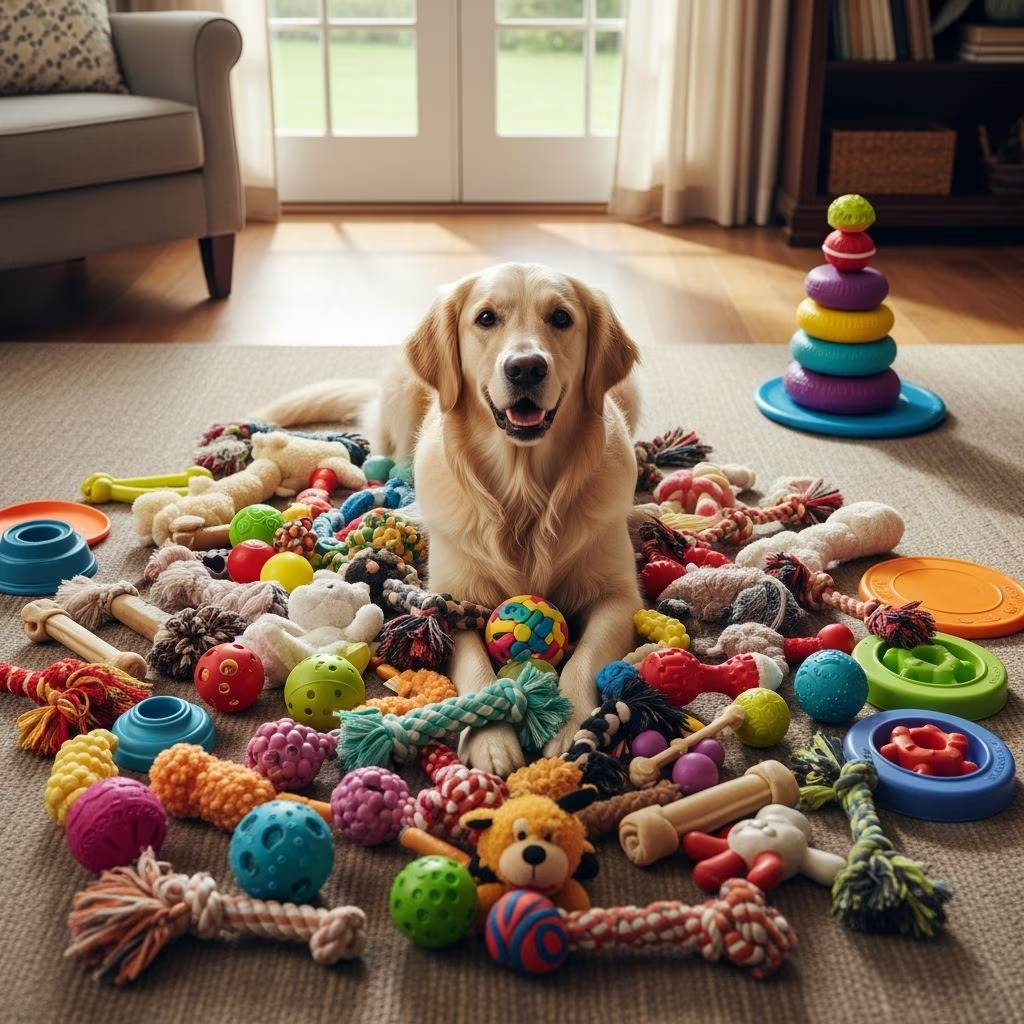
Can Dogs Have Too Many Toys?
As a devoted dog parent, you want nothing more than to see your furry companion happy and entertained. When you bring home multiple toys, imagining your dog’s joy, it’s easy to believe that more toys equal more happiness. However, the reality is more nuanced. Like humans, dogs can become overwhelmed by excessive choices and stimulation. Veterinarians and animal behaviorists have consistently shown that too many toys can actually lead to overstimulation, affecting your dog’s behavior and mental health. Finding the right balance is essential for creating an environment where your dog can thrive mentally and emotionally.
The common misconception that all dogs need a large variety of toys to be happy is false. While toys are undoubtedly important for enrichment and engagement, moderation is key to your dog’s overall well-being. Dogs thrive in environments with thoughtful toy selection rather than overwhelming abundance. Understanding how many toys are appropriate for your pet and recognizing the signs of toy-related stress can help you provide the optimal living situation for your four-legged friend.
Understanding Overstimulation in Dogs
Overstimulation occurs when a dog encounters too much sensory information at once, leading to heightened arousal and restlessness. When it comes to toys, this sensory overload happens when dogs have so many options that they become confused about which toy to engage with. Rather than enjoying playtime, an overstimulated dog may exhibit anxiety, frustration, and behavioral problems. Over time, repeated overstimulation can impact your dog’s normal behavior patterns, making it challenging for them to focus, relax, or interact appropriately with their surroundings.
The key to preventing overstimulation is understanding that dogs benefit from structure and limited choices. When faced with dozens of toys, dogs may struggle to make decisions and become paralyzed by options. This is similar to the psychological concept of choice overload that affects humans—too many options can lead to decision fatigue and dissatisfaction. By curating your dog’s toy collection, you create a manageable environment that encourages engagement and satisfaction.
Signs Your Dog Has Too Many Toys
Recognizing whether your dog has too many toys requires careful observation of their behavior and engagement patterns. Several distinct signs indicate that your pet may be overwhelmed by excessive toy choices.
Difficulty Focusing
One of the most telling signs of toy-related overstimulation is difficulty focusing. If your dog seems distracted and unable to engage with any particular toy, moving quickly from one to another without actual play, they may be overwhelmed by the available options. Dogs with too many toys often lack the ability to settle down with a single toy for any meaningful length of time, constantly scanning the environment for the next item instead of enjoying what’s in front of them.
Hyperactivity and Restlessness
A sudden spike in energy and restlessness can indicate too many stimuli from toys. Overstimulated dogs may display excessive energy, running in circles, jumping up and down, or darting around the house without purpose. This hyperactivity makes it difficult for your dog to settle down and relax, creating a constant state of agitation. Additionally, you may notice increased panting and pacing behaviors, even when your dog hasn’t been exercising. The dog’s body remains in a heightened “fight or flight” state, unable to reach a calm baseline.
Behavioral Changes and Problem Behaviors
Excessive toys can lead to several concerning behavioral issues that impact both your dog’s quality of life and your household harmony:
| Behavior | Description |
|---|---|
| Destructive Chewing | Dogs may chew destructively if they have too many choices, potentially damaging furniture and household items, which poses health risks. |
| Resource Guarding | Some dogs begin to hoard toys, showing possessive behavior that creates tension with other pets and family members. |
| Excessive Barking | Overstimulated dogs may bark frequently, often without obvious cause, to release pent-up energy and frustration. |
| Whining or Vocalization | When overwhelmed, dogs vocalize their stress through excessive whining, especially in response to toy-related confusion. |
| Reduced Engagement | Paradoxically, too many toys can lead to boredom and disinterest as the dog cannot decide which toy to play with. |
These behavioral changes often persist until the toy environment is simplified and structure is restored. Dogs communicate through behavior, and these signs are their way of telling you that their environment has become overwhelming.
Signs of Disinterest
Another clear indicator of excessive toys is when your dog shows signs of disinterest. If your dog does not seem excited about new toys or plays with them briefly before moving on, it could signal toy overload. Similarly, a noticeable decline in the amount of time your dog spends playing could indicate they feel overwhelmed by their choices. When dogs stop being excited about toys altogether, it’s often because the abundance has created decision fatigue and diminished the appeal of play.
Physical and Emotional Effects of Overstimulation
The impact of overstimulation extends beyond behavioral changes to affect your dog’s physical health and emotional state. Dogs experiencing sensory overload from excessive toys may exhibit increased heart rates, dilated pupils, tense body language, and continuous panting. These physical manifestations reflect the stress your dog experiences when unable to regulate their environment.
Emotionally, overstimulated dogs struggle with anxiety and may develop long-term behavioral issues if the situation persists. The constant state of heightened arousal prevents your dog from achieving the calm, relaxed state necessary for quality sleep and mental recovery. This chronic stress can affect their immune system, digestive health, and overall quality of life.
Monitoring Your Dog’s Engagement Levels
Regular assessment of how your dog interacts with their toys is essential for maintaining optimal well-being. Keep a keen eye on your dog’s engagement levels, and consider rotating toys when you notice these warning signs:
Ignoring Toys: If your dog passes their toys without looking, that’s a clear sign that simplification is needed. When toys don’t capture attention, it indicates either overstimulation or that the current selection no longer engages your pet.
Excessive Barking: Increased barking may show boredom or frustration related to toy confusion. Some dogs bark to request new toys or to express their overwhelmed state, signaling that changes need to be made.
Destructive Chewing: When your dog targets furniture instead of toys, it’s time for fresh options and environmental adjustment. This behavior indicates that the current toy situation is not meeting your dog’s needs effectively.
By regularly observing these engagement patterns, you can make informed decisions about rotating toys and simplifying your dog’s play environment. This ongoing assessment helps you maintain the perfect balance between enrichment and overwhelming stimulation.
Creating a Balanced Toy Environment
The solution to toy-related overstimulation is straightforward: simplify your dog’s toy collection. Rather than providing access to all toys simultaneously, consider rotating them in a way that maintains novelty while preventing overwhelm. Most experts recommend keeping only 4-6 toys accessible at any given time, depending on your dog’s size and activity level.
Provide regular variety by rotating toys weekly or bi-weekly, which keeps things fresh and interesting without creating constant overstimulation. Store unused toys out of sight in a closet or bin, then swap them out based on your dog’s engagement patterns and seasonal needs.
Additionally, ensure your dog receives adequate physical and mental stimulation through walks, training sessions, and interactive games. Exercise helps burn excess energy that might otherwise manifest as destructive behavior or hyperactivity related to toy stress. Mental stimulation through puzzle toys, training activities, and nose-work games provides enrichment that doesn’t overwhelm.
Choosing the Right Toys for Your Dog
Quality matters more than quantity when it comes to dog toys. Select toys that match your dog’s size, age, play style, and activity level. A single well-chosen toy that captures your dog’s interest is far superior to a collection of toys that fail to engage. Consider your dog’s preferences—some dogs love fetch toys, others prefer chewing toys or puzzle toys that require mental engagement.
Rotate your dog’s toy selection based on their interests and engagement patterns. If a particular toy no longer holds your dog’s attention, remove it temporarily and reintroduce it later. This rotation system maintains novelty without the constant presence of overwhelming choices.
The Importance of Structure and Routine
Dogs thrive on structure and predictability. Establishing a consistent routine that includes designated playtime, exercise, training, and rest periods helps prevent overstimulation. When your dog knows what to expect and when to expect it, they experience less anxiety and stress. Combining this structured routine with a simplified toy environment creates the optimal conditions for your dog’s mental health and behavioral well-being.
Frequently Asked Questions
Q: How many toys should my dog have?
A: Most experts recommend keeping 4-6 toys accessible at any given time. The exact number depends on your dog’s size, age, and play preferences. Rotating toys helps maintain interest without overwhelming your pet.
Q: What are the main signs that my dog is overstimulated by toys?
A: Key signs include difficulty focusing on individual toys, hyperactivity, destructive chewing, excessive barking, resource guarding, and disinterest in play. If your dog shows these behaviors, simplifying their toy collection may help.
Q: Can too many toys cause behavioral problems in dogs?
A: Yes, excessive toys can lead to destructive chewing, resource guarding, excessive barking, aggression, and difficulty focusing on commands. These behavioral issues often improve when the toy environment is simplified.
Q: How often should I rotate my dog’s toys?
A: Rotating toys weekly or bi-weekly works well for most dogs. This schedule maintains novelty while preventing overstimulation. Observe your dog’s engagement and adjust the rotation schedule based on their interest levels.
Q: Is it normal for dogs to lose interest in toys?
A: Yes, dogs can become bored with the same toys. However, if your dog shows complete disinterest even in favorite toys, it may indicate overstimulation from having too many options available simultaneously.
Q: How can I help my overstimulated dog calm down?
A: Provide regular physical exercise through walks and play sessions, offer mental stimulation through training and puzzle toys, create a calm environment, establish a consistent routine, and simplify toy choices. These strategies help reduce stress and promote relaxation.
Q: Should I give my puppy fewer toys than an adult dog?
A: Yes, puppies may be even more prone to overstimulation due to their developing nervous systems. Start with just 2-3 toys and gradually increase as your puppy matures and shows they can handle more choices.
Q: Can toy rotation prevent behavioral problems in dogs?
A: Absolutely. Strategic toy rotation maintains your dog’s interest while keeping their environment manageable. This approach prevents the overstimulation and resulting behavioral issues associated with having too many toys constantly available.
References
- Can Dogs Have Too Many Toys? — Wedogy. Accessed 2025-11-28. https://wedogy.com/can-dogs-have-too-many-toys/
- Overstimulated Dogs: Signs, Causes and Supportive Strategies — Honest Paws. Accessed 2025-11-28. https://www.honestpaws.com/blogs/health/dog-overstimulated
- 5 Signs Your Dog is Overstimulated (And How to Calm Them) — Missoula Dog Trainers. Accessed 2025-11-28. https://missouladogtrainers.com/blog/5-signs-your-dog-is-overstimulated-and-how-to-calm-them/
- Calming an Overstimulated Dog — Under the Weather Pet. Accessed 2025-11-28. https://www.undertheweatherpet.com/blogs/under-the-weather/calming-an-overstimulated-dog



