

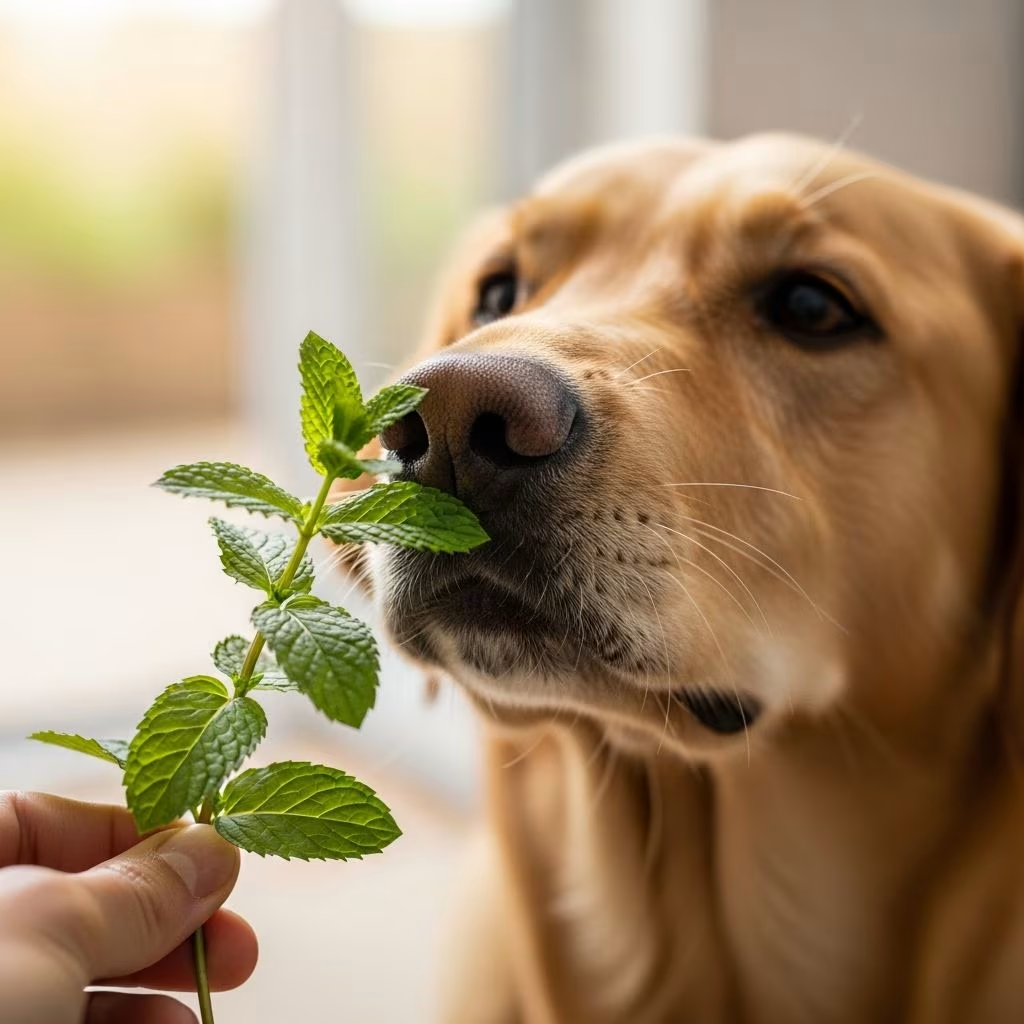
Can Dogs Have Peppermint? A Complete Safety Guide
As a pet owner, you may have wondered whether it’s safe to share peppermint treats or products with your furry friend. The answer is more nuanced than a simple yes or no. While very small amounts of peppermint leaves are generally safe for dogs to consume, peppermint candies should be kept off the doggy menu entirely. The safety of peppermint for dogs depends significantly on the form of peppermint and the amount consumed. Understanding these distinctions is crucial for protecting your canine companion’s health and well-being.
Key Takeaways
- Not all peppermint is safe for dogs. Wintergreen, pennyroyal, and peppermint essential oil can be toxic.
- Peppermint candies, gums, and chocolates often contain harmful ingredients like xylitol and theobromine.
- Some dog products contain safe, vet-approved levels of peppermint oil. Always follow dosage instructions.
- If your dog ingests a risky form of peppermint, call your vet or a poison control hotline immediately.
Understanding Different Types of Peppermint and Their Safety
Not all peppermint products are created equal when it comes to canine safety. The form in which your dog encounters peppermint dramatically affects whether it poses a health risk. Let’s explore the different types of peppermint and their safety profiles for your beloved pet.
Fresh Mint Leaves
Peppermint (Mentha piperita, Mentha requienii): Generally Safe in Small Amounts
Some pet parents advocate for giving peppermint leaves to dogs to freshen their breath and provide digestive support. However, veterinarians recommend caution with this practice. While small quantities of fresh peppermint leaves are unlikely to cause serious harm to most healthy dogs, it’s best to avoid giving them peppermint leaves regularly. The primary concern is that it’s easy to inadvertently give dogs too much, which can cause irritation of the mouth and gastrointestinal upset, such as vomiting and diarrhea. If you do offer fresh peppermint leaves, ensure they are plain and in minimal quantities, and always monitor your dog for any adverse reactions.
Pennyroyal: Highly Unsafe
This particular mint variety should be strictly avoided. Pennyroyal’s oil contains a volatile chemical called pulegone, which can cause vomiting, diarrhea, and serious liver damage in dogs. Pennyroyal should be avoided in all its forms, whether fresh, dried, or as an extract, as it is highly toxic to your pup. If you suspect your dog has ingested pennyroyal, contact your veterinarian or animal poison control immediately.
Peppermint Essential Oil
Essential oils are concentrated extracts that pose significant risks to dogs. You should never allow your dog to consume peppermint essential oil sold for human use, as this concentrated oil can be harmful and even toxic for dogs. The safety of peppermint oil hinges on the quality of the product and how it’s used. Undiluted or low-grade oils can irritate your dog’s skin, nose, or eyes and potentially cause more serious issues if ingested.
Some symptoms of peppermint oil ingestion may include drooling, vomiting, and diarrhea. In severe cases, ingestion can cause seizures and liver failure. If you plan to use peppermint oil around your dog, it must be properly diluted and introduced slowly, with close observation for any adverse reactions. Always discuss the use of peppermint oil with your veterinarian before starting any new product.
Peppermint Candy and Flavored Products
Peppermint candies should be completely avoided as they present multiple hazards to your dog’s health. Most peppermint candies contain sugar or artificial sweeteners, which can be harmful—especially xylitol, which is toxic to dogs. Additionally, some peppermint candies may contain chocolate, another substance toxic to canines. Even peppermint gum and breath mints pose significant risks and should never be given to dogs.
Dangers and Risks Associated with Peppermint for Dogs
Understanding the specific risks associated with peppermint consumption is essential for every dog owner. Various forms of peppermint and peppermint-containing products can pose different threats to your pet’s health.
Xylitol Toxicity
One of the most serious dangers associated with peppermint products is xylitol, an artificial sweetener commonly found in sugar-free candies, gums, and breath mints. While xylitol is safe for humans, it can be deadly for dogs. Dogs with xylitol toxicity may experience an extremely low blood sugar (hypoglycemia) and may suffer acute liver damage, both of which can be fatal. Symptoms can appear within an hour or two of ingestion, making rapid veterinary intervention crucial. If you suspect your dog has ingested xylitol, call your veterinarian or Pet Poison Helpline at 855-764-7661 immediately.
Essential Oil Toxicity
Peppermint essential oil exposure, particularly in undiluted or concentrated forms, can cause serious health complications. Some dogs can be sensitive to the scent of peppermint products, especially peppermint candles and liquid potpourri. Since peppermint oil has a strong scent, it can be irritating or unpleasant to dogs. In its undiluted form or in high doses, peppermint oil can be toxic to dogs, causing symptoms such as vomiting and diarrhea, skin irritation when applied topically, severe lethargy, respiratory distress, seizures when exposed to very high concentrations, hypersalivation, and ulcers in the mouth if the dog licked the peppermint oil.
High Sugar and Fat Content
Beyond the risk of xylitol, many peppermint products are high in sugar and fat. Peppermint candies, baked goods, and desserts often contain a lot of sugar or butter, which can contribute to obesity, dental disease, or pancreatitis in dogs. These conditions can lead to serious health problems and require expensive veterinary treatment.
Digestive Upset
Even fresh or dried peppermint leaves can cause digestive upset in dogs. Consumption may result in vomiting, diarrhea, or changes in appetite. While these symptoms may resolve on their own in mild cases, they can be uncomfortable for your pet and may indicate a need for veterinary attention.
Are Peppermint Plants Safe for Dogs?
Most dogs probably aren’t going to walk up to a peppermint plant and start munching on it, but some might, especially curious puppies or dogs with a tendency to nibble on plants. Thankfully, dogs who chew on or ingest a small portion of a mint plant should be okay. However, if a dog eats a large quantity of peppermint plant material or shows any signs of distress, you should check in with a veterinarian or animal poison control center. When in doubt, it’s always better to err on the side of caution and seek professional guidance.
What to Do If Your Dog Eats Peppermint
If you discover that your dog has ingested peppermint or other types of mint, your response depends on the type and quantity consumed. For dogs who ingest a small portion of fresh mint plant material, observation is typically sufficient. However, if your dog has consumed peppermint candy, essential oil, or large quantities of any peppermint product, you should take immediate action.
First, try to determine what your dog ate and how much. If peppermint oil got on your dog’s skin, toxicity experts typically recommend bathing your dog with a mild dishwashing soap (the kind you use to wash dishes by hand, not what you put in the dishwasher). This helps remove or neutralize as much peppermint from the dog’s body as possible.
After decontamination, contact your veterinarian or animal poison control immediately. Your vet will assess your dog’s condition and make a treatment plan based on the symptoms and the type of peppermint exposure. Some dogs may need hospitalization and additional treatments to manage their symptoms. It’s still a good idea to check in with your vet if you caught your dog eating peppermint candy, even if you don’t think it contained xylitol or chocolate, as other complications may arise.
Pet-Safe Peppermint Products
While many peppermint products designed for humans are unsafe for dogs, some dog products contain safe, vet-approved levels of peppermint oil. These specially formulated products undergo rigorous testing to ensure they’re safe for canine consumption. If you’re interested in giving your dog a peppermint-containing product, it’s best to give your dog a pet-safe dog treat that is formulated with peppermint and has been specifically designed for pets. Always follow dosage instructions carefully and consult with your veterinarian before introducing any new products to your dog’s diet.
Peppermint for Special Populations
Certain dogs may face increased risks when exposed to peppermint products. Puppies are more sensitive to essential oils than adult dogs. Avoid use of peppermint oil in puppies unless approved and guided by a veterinarian. Senior dogs, dogs with pre-existing health conditions, and small breed dogs may also be more susceptible to adverse reactions. Always consult with your veterinarian before introducing peppermint products to dogs in these categories.
Frequently Asked Questions About Peppermint and Dogs
Q: Is peppermint oil safe for dogs?
A: No, peppermint essential oil is not safe for dogs. Peppermint essential oil can irritate your dog’s skin and digestive tract and may be toxic if ingested. If you plan to use peppermint oil around your dog, it must be properly diluted and introduced slowly, with close observation for any adverse reactions. Always discuss the use of peppermint oil with your veterinarian before starting.
Q: Can dogs eat mint leaves?
A: Small amounts of fresh or dried mint leaves probably won’t cause problems for most healthy dogs, but it’s better to offer your dog a peppermint-containing product that has been specifically designed for pets. Avoid giving excessive amounts, as this can cause digestive upset.
Q: Can dogs have peppermint candy?
A: No. Peppermint candy may contain xylitol, which is highly toxic to dogs. Even if it doesn’t contain xylitol, peppermint candy is often high in sugar and may contain chocolate, both of which are harmful to dogs.
Q: Can dogs have peppermint tea?
A: A small amount of peppermint tea is unlikely to be dangerous for dogs, but it’s always best to check with your vet before giving your dog peppermint tea. If they approve, it should be cooled to room temperature before offering it to your pet.
Q: What should I do if my dog eats peppermint candy?
A: Contact your veterinarian or Pet Poison Helpline at 855-764-7661 immediately. Even if you don’t think the candy contained xylitol or chocolate, a vet should evaluate your dog to ensure no complications arise.
Q: Can peppermint help with fleas on dogs?
A: Some natural flea repellents contain peppermint oil, but its use should always be part of a carefully formulated blend. Consult a vet before using essential oils for pest control to ensure safety and effectiveness.
Q: Is peppermint safe for puppies?
A: Puppies are more sensitive to essential oils and peppermint products than adult dogs. Avoid use unless approved and guided by a veterinarian.
Conclusion: Prioritizing Your Dog’s Safety
While the question “Can dogs have peppermint?” doesn’t have a simple yes or no answer, the safest approach is to avoid giving your dog most peppermint products. Very small amounts of fresh peppermint leaves may be tolerable for most healthy adult dogs, but the risks associated with peppermint candy, essential oils, and other concentrated forms far outweigh any potential benefits. Always prioritize your dog’s health and safety by consulting with your veterinarian before introducing any new foods or products to their diet. Your vet can provide personalized recommendations based on your individual dog’s age, health status, and dietary needs. When in doubt, choose pet-safe alternatives that have been specifically formulated and tested for canine consumption.
References
- Can Dogs Have Peppermint? Is Peppermint Oil Safe for Dogs? — Dr. Julie Buzby, Toe Grips. 2025. https://toegrips.com/can-dogs-have-peppermint/
- Can Dogs Have Peppermint? — PetMD. 2025. https://www.petmd.com/dogs/food-and-nutrition/can-dogs-have-peppermint
- Can Dogs Have Peppermint? — Chewy. 2025. https://www.chewy.com/education/dog/food-and-nutrition/can-dogs-have-peppermint
- Know About the Risks of Essential Oils for Dogs — WebMD. 2025. https://www.webmd.com/pets/dogs/risks-of-essential-oils-for-dogs
- Can Dogs Eat Mint? Benefits and Risks — MasterClass. 2025. https://www.masterclass.com/articles/can-dogs-eat-mint



