

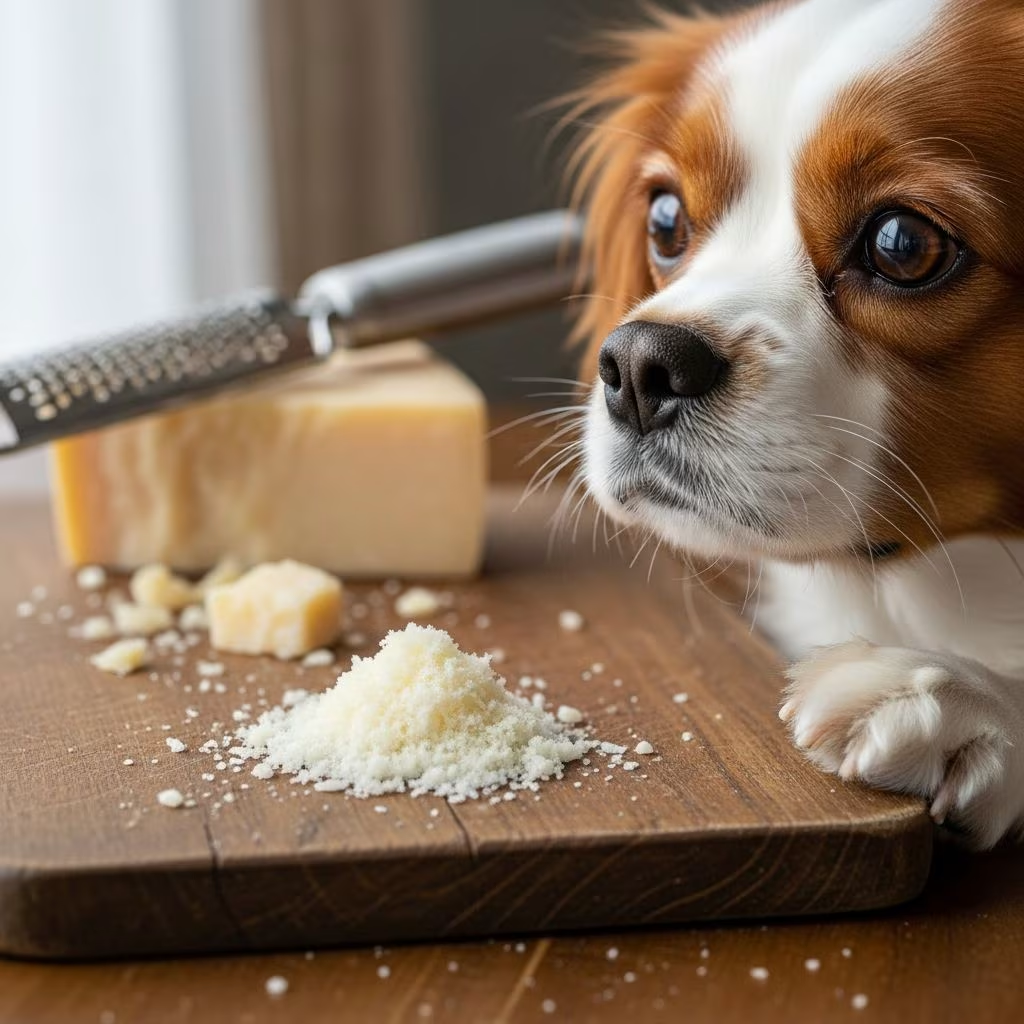
Parmesan cheese, a hard Italian cheese known for its nutty flavor and granular texture, is generally safe for dogs in small amounts due to its low lactose content. While it offers nutritional benefits like calcium and vitamins, its high sodium and fat levels require moderation to avoid health issues. This article explores everything dog owners need to know about feeding Parmesan cheese safely.
Is Parmesan Cheese Safe for Dogs?
Yes, dogs can have Parmesan cheese as an occasional treat because it is aged and fermented, resulting in significantly reduced lactose compared to softer cheeses. Most dogs tolerate it well since they produce less lactase enzyme after puppyhood, making low-lactose options preferable. However, individual tolerance varies; always test with a tiny amount first to monitor for digestive upset like gas or diarrhea.
Parmesan is not toxic and lacks harmful molds found in blue cheeses, which contain roquefortine—a compound dangerous to dogs. Veterinary experts from the American Kennel Club note that while cheese can be safe, high fat content poses risks like pancreatitis if overfed. For healthy adult dogs without pre-existing conditions, small portions are typically fine.
Nutritional Benefits of Parmesan Cheese for Dogs
Parmesan provides several nutrients beneficial for canine health when given sparingly. Key advantages include:
- Calcium: Essential for strong bones, teeth, and muscle function; supports puppies’ growth and prevents fractures in seniors.
- Protein: High-quality source aiding muscle maintenance and repair.
- Vitamin A: Promotes healthy skin, vision, and coat.
- Vitamin B12: Crucial for red blood cell production, preventing anemia, and DNA synthesis.
- Essential Fatty Acids: Support skin health and inflammation reduction.
These nutrients make Parmesan a flavorful topper for kibble or a training reward, enhancing palatability for picky eaters. Studies on canine nutrition affirm dairy’s role in balanced diets when lactose-managed.
Potential Risks and Dangers
Despite benefits, Parmesan carries risks, primarily from overconsumption. Its high sodium content can exacerbate hypertension, heart disease, or kidney issues in susceptible dogs. Fat levels contribute to weight gain, obesity, diabetes, and pancreatitis—a painful inflammation of the pancreas that requires immediate veterinary care.
Lactose intolerance affects many dogs, causing symptoms like diarrhea, vomiting, bloating, or constipation. Puppies, with immature digestive systems, should avoid it entirely. Other concerns:
- Choking hazard from large pieces; always grate or crumble finely.
- Allergies or sensitivities leading to itching, ear infections, or gastrointestinal distress.
- Caloric density: A tablespoon packs about 20-30 calories, quickly adding up in treats.
| Risk Factor | Impact on Dogs | High-Risk Groups |
|---|---|---|
| High Sodium | Thirst, hypertension, kidney strain | Seniors, heart/kidney patients |
| High Fat | Pancreatitis, obesity | Overweight, pancreatitis history |
| Lactose | Diarrhea, gas | Lactose-intolerant dogs |
How Much Parmesan Cheese Can Dogs Have?
Moderation is key—limit to 1-2 teaspoons per 10 pounds of body weight weekly, not daily. For a 20-pound dog, a sprinkle (about 1 teaspoon) once or twice a week suffices as 10% of caloric intake from treats. Adjust based on size, activity, and health:
- Small dogs (<20 lbs): ¼-½ teaspoon, 1-2x/week.
- Medium (20-50 lbs): 1 teaspoon, 2x/week max.
- Large (>50 lbs): 1-2 teaspoons, sparingly.
Consult a vet for personalized advice, especially for obese or ill dogs. Track total treat calories to maintain 10% rule.
How Should You Serve Parmesan Cheese to Your Dog?
Grate finely over meals or use powder form to prevent gulping and choking. Small crumbles work as training treats since dogs love the umami taste. Avoid rinds if hardened, as they pose splintering risks; soft rinds in tiny pieces are safer occasionally.
Incorporate creatively:
- Sprinkle on kibble or veggies like carrots for flavor boost.
- Mix into homemade treats (ensure oven-baked to reduce fat).
- Use during pill administration—mold around medication.
Always plain, without additives like garlic or herbs, which are toxic.
What Cheeses Can Dogs Eat Safely?
Not all cheeses suit dogs; opt for low-lactose, low-fat varieties.
| Safe Cheeses | Why Safe | Unsafe Cheeses | Why Unsafe |
|---|---|---|---|
| Parmesan | Low lactose, aged | Blue/Roquefort | Toxic mold (roquefortine) |
| Mozzarella | Low fat/sodium | Cream Cheese | High fat, additives |
| Cottage (low-fat) | Low lactose | Mac & Cheese | High carbs, onions |
Swiss and cheddar (mild) are alternatives if tolerated.
Signs of Trouble After Eating Parmesan Cheese
Watch for adverse reactions within 24-48 hours:
- Digestive: Diarrhea, vomiting, gas, constipation.
- Behavioral: Lethargy, excessive thirst, abdominal pain (hunching).
- Severe: Tremors, seizures (rare, from extreme sodium).
If symptoms appear, withhold cheese, provide water, and fast briefly. Persistent issues warrant vet visit—dehydration risks escalate quickly.
Alternatives to Parmesan Cheese for Dogs
For safer treats, consider:
- Low-fat yogurt or kefir: Probiotics for gut health, low lactose.
- Carrots, green beans: Low-cal crunch.
- Commercial cheese analogs: Vet-formulated, check ingredients (no xylitol).
- Peanut butter (xylitol-free): Spoon-licking fun.
Prioritize whole foods aligning with AAFCO guidelines for balanced nutrition.
Frequently Asked Questions (FAQs)
Can dogs eat Parmesan cheese rinds?
Yes, in tiny crumbled pieces to avoid choking, but limit due to hardness and sodium.
Is Parmesan cheese good for puppies?
No, puppies’ digestion can’t handle it; wait until adulthood.
What if my dog is lactose intolerant?
Avoid all dairy; opt for lactose-free alternatives.
Can cheese cause pancreatitis in dogs?
Yes, high fat triggers it; high-risk dogs should skip.
How do I know if my dog likes Parmesan?
Most do—its strong flavor appeals; start small.
References
- Can Dogs Eat Parmesan Cheese? Here’s Everything You Need To Know — Pawmaw. 2024-01-15. https://www.pawmaw.com/blog/can-dogs-eat-parmesan-cheese
- Revealed: The Surprising Truth About Dogs Eating Cheese — We Feed Raw. 2024-05-20. https://wefeedraw.com/blog/revealed-the-surprising-truth-about-dogs-eating-cheese
- Can Dogs Eat Parmesan Cheese? — Cheese.com. 2023-11-10. https://www.cheese.com/q-and-a/can-dogs-eat-parmesan-cheese/
- Can Dogs Eat Cheese? — American Kennel Club. 2025-03-12. https://www.akc.org/expert-advice/nutrition/can-dogs-eat-cheese/



