

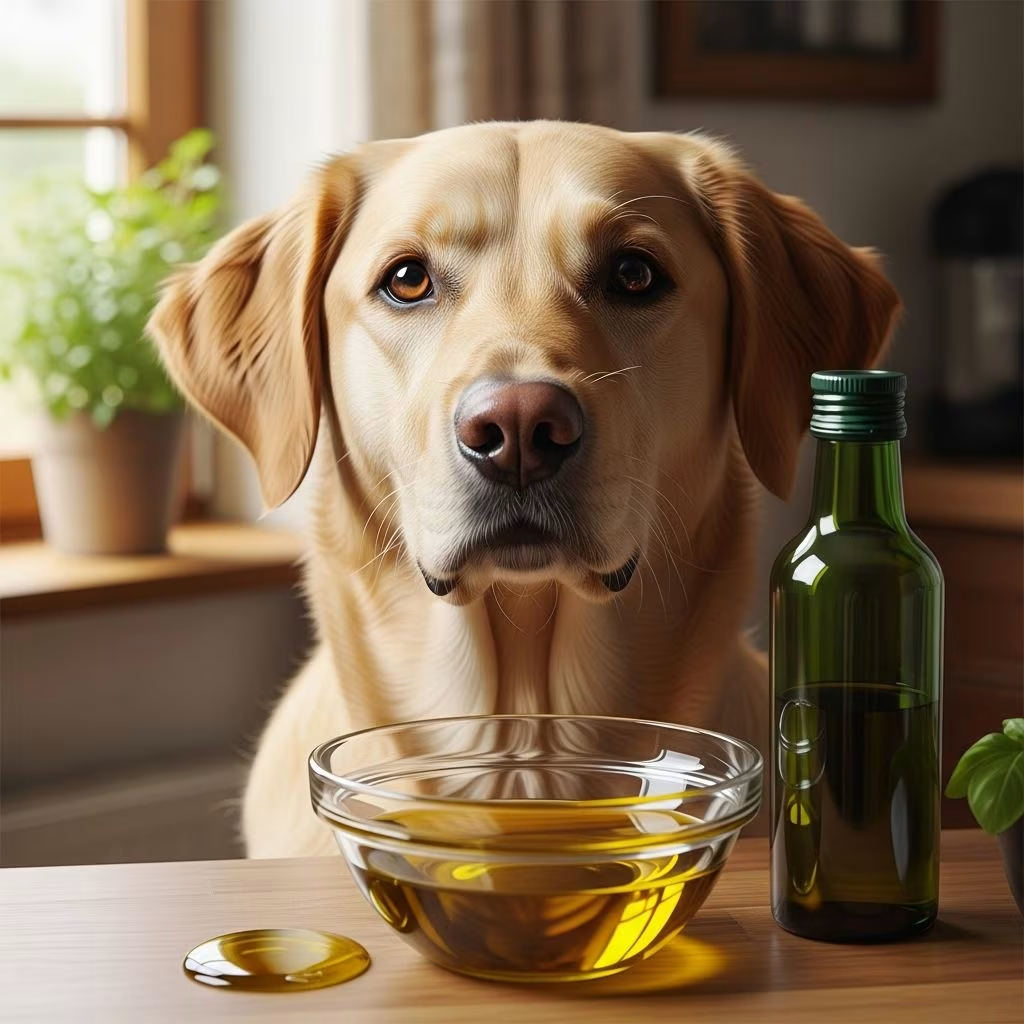
Can Dogs Have Olive Oil? A Comprehensive Guide
Olive oil has long been celebrated as a nutritious staple in human diets, and pet owners often wonder whether this golden kitchen ingredient can benefit their canine companions. The answer is yes—dogs can safely consume olive oil when given in appropriate amounts. However, like many foods and supplements, moderation and proper preparation are essential to maximize benefits while minimizing potential risks. This comprehensive guide explores the safety of olive oil for dogs, its notable health benefits, proper serving guidelines, and important considerations for your pet’s wellbeing.
Is Olive Oil Safe for Dogs?
One of the most common questions pet owners ask is whether olive oil poses any toxicity risks for dogs. The straightforward answer is that olive oil is not toxic to dogs and is generally safe for consumption when used appropriately. Veterinary experts confirm that properly administered olive oil can serve as a beneficial dietary supplement for most dogs. However, safety depends heavily on the quantity provided, the individual dog’s health status, and how gradually it is introduced into their diet.
Dr. Kathryn Dench, a veterinarian and Chief Scientific Advisor at Paw Origins, emphasizes that olive oil is generally safe for dogs when used appropriately. She notes that it’s not toxic, and the right quantity can bolster your dog’s health. However, it’s essential to tailor the amount to your dog’s specific needs and always consult with your veterinarian before introducing it to their meals. Similarly, Dr. Sabrina Kong, DVM and Staff Veterinary Writer at WeLoveDoodles, recommends adding olive oil to your dog’s diet over time, noting that “It’s important to introduce olive oil gradually to avoid digestive upset.”
Five Key Health Benefits of Olive Oil for Dogs
When administered properly, olive oil can offer several significant health benefits for dogs across different life stages. Understanding these advantages can help you make an informed decision about incorporating this supplement into your pet’s diet.
1. Enhanced Skin and Coat Health
One of the most noticeable benefits of olive oil for dogs is its positive impact on skin and coat quality. Olive oil contains monounsaturated fats and antioxidants that work together to improve skin health and enhance coat appearance. The oleic acid in olive oil acts as an anti-inflammatory, potentially reducing skin irritation and promoting a shinier, healthier-looking coat. Research has found evidence suggesting that olive oil consumption can help increase the amount of cutaneous fatty acids in dogs, which is directly associated with healthy skin. Dogs receiving regular olive oil supplementation often display noticeably improved coat quality, with shinier fur and less dry skin.
2. Improved Heart Health and Cardiovascular Function
The Mediterranean diet, particularly olive oil consumption, has long been associated with cardiovascular benefits. These advantages extend to our canine companions as well. Olive oil is rich in monounsaturated fats and contains oleic acid, both of which support heart health. According to the Spanish Olive Oil Interprofessional, a non-profit organization, olive oil helps prevent heart disease in dogs. The antioxidants present in olive oil, particularly polyphenols, work to protect the cardiovascular system and reduce inflammation that may contribute to heart disease development.
3. Strengthened Immune System and Disease Prevention
Olive oil is exceptionally rich in antioxidants, including oleacein and other polyphenols, which serve as cellular shields against free radical damage. These powerful compounds bolster your dog’s immune defenses and are linked to a lower incidence of chronic diseases. Olive oil consumption can help boost immune functioning and may help prevent or delay cognitive decline in aging dogs. The antioxidants such as Vitamin E protect cell membranes from free radical damage, contributing to overall disease resistance and longevity.
4. Reduced Inflammation and Joint Support
The polyphenols naturally occurring in extra virgin olive oil offer potent antioxidant and anti-inflammatory properties. These compounds can alleviate joint pain and stiffness in dogs with conditions like arthritis. Since inflammation may play a significant role in joint problems, olive oil may provide particular benefit to dogs with existing joint issues or those prone to arthritis. The anti-inflammatory properties work to reduce discomfort and may help maintain mobility and flexibility in aging or arthritic dogs.
5. Better Digestion and Nutrient Absorption
Research suggests that dogs who consume olive oil can better digest protein, potentially improving overall digestive efficiency. The healthy fats in olive oil support nutrient absorption and can enhance food palatability, making meals more appealing to picky eaters. When introduced gradually and in appropriate amounts, olive oil can support digestive health without causing gastrointestinal upset.
Recommended Dosage Guidelines
Determining the correct amount of olive oil for your dog is crucial for safety and effectiveness. The appropriate dosage depends on your dog’s size, age, overall health status, and individual tolerance. For an average-sized dog, veterinarians generally recommend no more than a teaspoon of olive oil a few times a week. This conservative approach helps prevent excessive calorie intake and reduces the risk of digestive issues.
However, each dog has a different tolerance for oils. Some dogs may experience digestive upset from even one-quarter of a teaspoon, while others may tolerate small amounts without issue. Always start with the smallest recommended amount and gradually increase as your dog adjusts. Monitor your pet carefully for any adverse reactions during this introduction period.
Introduction Method
When introducing olive oil to your dog’s diet, take a gradual approach to minimize the risk of digestive upset. Begin with just a few drops mixed into their regular food, and slowly increase the amount over several weeks as your dog’s digestive system adapts. Never add olive oil directly to your dog’s mouth or apply it topically to their skin. Dogs will lick it off and may consume more than intended, potentially leading to incessant licking that causes hot spots and hair loss.
Potential Risks and Safety Considerations
While olive oil is generally safe for most dogs, certain risks and considerations warrant attention before incorporating it into your pet’s diet.
Weight Gain and Obesity
Olive oil is calorie-dense, containing approximately 120 calories per tablespoon. Since obesity is a significant health concern for many dogs, any dietary addition must be factored into your dog’s daily calorie count. Monitor your dog’s weight carefully after introducing olive oil, and adjust their overall food portions accordingly to prevent unnecessary weight gain that can be detrimental to their health.
Digestive Issues
Excessive olive oil can lead to digestive problems, including diarrhea or other gastrointestinal upset. Olive oil has natural laxative properties, so too much may upset your dog’s stomach. This risk is particularly elevated in dogs with sensitive stomachs or those prone to digestive issues. Additionally, some dogs may experience vomiting or other signs of digestive distress. If your dog responds with an upset stomach, discontinue olive oil use immediately.
Pancreatitis Risk
One of the most serious potential complications from excessive olive oil consumption is pancreatitis. Consuming too much olive oil can lead to this very painful condition characterized by inflammation of the pancreas. Dogs that are prone to gastrointestinal upset or have a history of pancreatitis are particularly vulnerable to this risk. Dogs with existing pancreatitis should not receive olive oil supplementation without explicit veterinary approval.
Special Populations to Avoid
Certain dogs should avoid olive oil entirely or only receive it under close veterinary supervision. Dogs with pancreatitis, those prone to obesity, and dogs with sensitive digestive systems should be evaluated by a veterinarian before olive oil introduction. Senior dogs may benefit from olive oil’s anti-inflammatory properties, but should still be monitored for adverse effects.
Choosing the Right Type of Olive Oil
Not all olive oils are created equal. When selecting olive oil for your dog, choose extra virgin or virgin olive oil rather than refined varieties. The extraction method used for virgin and extra virgin oils preserves more nutrients, antioxidants, and polyphenols per tablespoon compared to refined oils. Look for high-phenolic olive oil options that deliver more antioxidants and anti-inflammatory compounds. Always verify that the olive oil contains no added ingredients, preservatives, or additives that could be harmful to your dog.
Steps for Safely Adding Olive Oil to Your Dog’s Diet
Follow these guidelines to safely incorporate olive oil into your dog’s regular meals:
Consult Your Veterinarian: Before making any dietary changes, discuss olive oil supplementation with your veterinarian. They can assess your dog’s individual health status and recommend appropriate dosages.
Start Slowly: Begin with just a few drops of olive oil mixed into your dog’s regular food. This allows their digestive system to adapt gradually.
Observe Your Dog: Watch carefully for any signs of digestive system discomfort or allergic reaction after introducing olive oil. If you notice diarrhea, vomiting, lethargy, or other adverse signs, discontinue use immediately and consult your veterinarian.
Be Consistent: If your veterinarian gives the green light and there are no adverse signs, incorporate olive oil into your dog’s diet consistently to provide ongoing health benefits.
Monitor Weight: Regularly assess your dog’s body condition and weight, adjusting their overall food portions to account for the additional calories from olive oil.
Frequently Asked Questions
Q: Can all dogs have olive oil?
A: Most dogs can have olive oil in moderation, but dogs with pancreatitis, sensitive stomachs, or obesity concerns should consult with a veterinarian first before introduction.
Q: How much olive oil should I give my dog daily?
A: For an average-sized dog, no more than a teaspoon a few times per week is recommended. Smaller dogs may require proportionally less, while individual tolerance varies.
Q: Can I apply olive oil topically to my dog’s skin?
A: It’s not recommended to apply olive oil topically to your dog’s skin. Dogs will lick it off and may consume more than intended, potentially causing hot spots and hair loss.
Q: What are the signs that olive oil is causing problems?
A: Watch for diarrhea, vomiting, lethargy, or signs of digestive upset. If your dog exhibits any of these symptoms, stop giving olive oil and contact your veterinarian.
Q: Is extra virgin olive oil better than regular olive oil for dogs?
A: Yes, extra virgin or virgin olive oil is preferred because it contains more antioxidants, polyphenols, and nutrients compared to refined olive oils, offering greater health benefits.
Q: Can senior dogs benefit more from olive oil?
A: Senior dogs may particularly benefit from olive oil’s anti-inflammatory and antioxidant properties, which can help with joint health, cognitive function, and immune support, but always consult your veterinarian first.
Conclusion
Olive oil can be a valuable addition to a balanced canine diet when used responsibly and with proper veterinary guidance. Its rich content of monounsaturated fats, antioxidants, vitamins E and K, and polyphenols offers impressive health benefits ranging from improved skin and coat quality to enhanced immune function and cardiovascular protection. However, the key to safely incorporating olive oil into your dog’s diet lies in moderation, gradual introduction, and consistent veterinary consultation.
Remember that every dog is unique with different nutritional needs and tolerance levels. What works well for one dog may not suit another, particularly dogs with pre-existing health conditions. Always start with minimal amounts, monitor your dog closely for any adverse reactions, and maintain ongoing communication with your veterinarian about dietary adjustments. When used appropriately and with professional guidance, olive oil can be a beneficial supplement that supports your dog’s long-term health and wellbeing, contributing to a shinier coat, healthier joints, and a stronger immune system throughout their life.
References
- Can Dogs Safely Eat Olive Oil? — Rover.com. Retrieved November 28, 2025. https://www.rover.com/blog/can-dog-eat-olive-oil/
- Olive Oil for Dogs: Is It Safe? Benefits & Dosage Guide — Kyoord. Retrieved November 28, 2025. https://kyoord.com/blogs/learn/olive-oil-for-dogs-is-it-safe-benefits-dosage-guide
- Olive Oil Health Benefits for Dogs — Olive Oil Times. Retrieved November 28, 2025. https://www.oliveoiltimes.com/health-news/olive-oil-health-benefits-for-dogs/120590
- Is Olive Oil Good For Dogs? — PetLab Co. Retrieved November 28, 2025. https://thepetlabco.com/learn/dog/nutrition/can-dogs-eat-olive-oil
- Can I Feed My Dog Olive Oil: A Guide to Healthy Drizzles — The Olive Tap. Retrieved November 28, 2025. https://www.theolivetap.com/our-blog/can-i-feed-my-dog-olive-oil
- 4 Healthy Oils To Add To Your Dog’s Diet — PetMD. Retrieved November 28, 2025. https://www.petmd.com/dog/nutrition/4-healthy-oils-add-your-dogs-diet



