

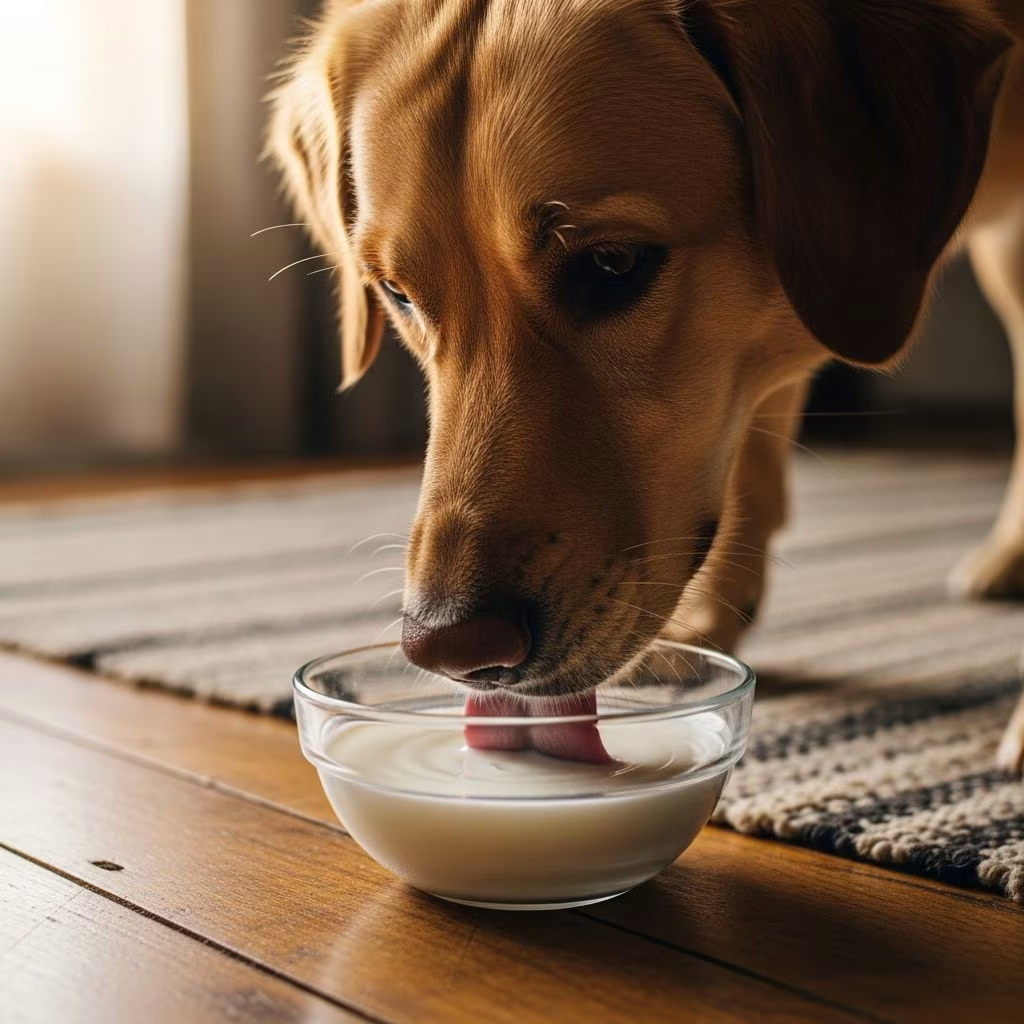
Most adult dogs cannot safely consume cow’s milk due to lactose intolerance, a condition where their bodies lack sufficient lactase enzyme to break down the milk sugar lactose. This leads to gastrointestinal discomfort rather than providing nutritional benefits.
Understanding Lactose Intolerance in Canines
Lactose intolerance occurs when a dog’s small intestine produces too little lactase, the enzyme needed to split lactose into simpler sugars for absorption. Undigested lactose then ferments in the large intestine, drawing water into the gut and producing gas via bacterial action.
Puppies naturally produce ample lactase to digest their mother’s milk, which has lower lactose (1.56–3.92%) and higher protein (6.62–17.34%) compared to cow’s milk (around 11 grams of lactose per cup). As dogs mature, lactase levels drop sharply, making adult dairy consumption problematic for many.
Not all dogs react equally; tolerance varies by breed, age, size, and individual biology. Some handle small amounts without issue, while others show immediate distress.
Common Symptoms of Dairy Reactions in Dogs
Signs typically emerge within 12 hours of ingestion, though they can appear up to 48 hours later. Severity correlates with lactose dose—higher in fluid milk than aged cheeses.
- Diarrhea: Loose, watery stools from osmotic pull of undigested sugar.
- Gas and Bloating: Excessive flatulence and abdominal distension from fermentation.
- Vomiting or Nausea: Drooling, lip-licking, or regurgitation.
- Abdominal Pain: Whining, restlessness, hunched posture, or appetite loss.
- Other Effects: Dehydration, lethargy, or rarely skin irritation if confused with allergy.
Milk allergies, less common, target proteins like casein via immune response, potentially causing itching or hives alongside GI issues. Consult a vet to differentiate.
Lactose Levels Across Popular Dairy Products
Dairy processing reduces lactose through fermentation, making some options safer in moderation. Whole milk poses the highest risk; aged products the lowest.
| Product | Lactose per Serving (approx.) | Safety for Most Dogs |
|---|---|---|
| Cow’s Milk (1 cup) | 11g | High risk; avoid |
| Yogurt (plain, 1/4 cup) | 4-5g | Moderate; test small amounts |
| Cottage Cheese (1/4 cup) | 2-3g | Lower risk; often tolerated |
| Cheddar Cheese (1 oz) | 0.1g | Safe treat in tiny pieces |
| Ice Cream | 9g+ | Avoid; high sugar/fat |
Data synthesized from veterinary sources; always start with pea-sized portions.
Health Risks Beyond Digestion
Even for tolerant dogs, milk’s high fat content risks pancreatitis (inflamed pancreas) or obesity. Calories add up quickly—a tablespoon equals a small treat’s worth.
Frequent exposure worsens intolerance over time by further suppressing lactase. Chronic diarrhea risks nutrient malabsorption and dehydration.
How to Test Your Dog’s Tolerance Safely
- Offer a tiny amount (1 tsp milk or equivalent) on an empty stomach.
- Monitor for 12-48 hours using the symptom list above.
- If no reaction, gradually increase to 1 tbsp max, spaced days apart.
- Stop immediately at any distress; withhold dairy permanently.
- Vet check for persistent issues—allergies need elimination diets.
Breeds like Bulldogs or overweight dogs may be more sensitive.
Nutritional Myths: Does Milk Benefit Dogs?
Humans tout milk for calcium and protein, but dogs get ample from balanced kibble. Mother’s milk suffices for pups; adults rarely need dairy supplements.
Excess calcium risks skeletal issues in large breeds. Probiotics in yogurt may aid gut health, but dog-specific versions outperform dairy.
Safe, Low-Lactose Treat Alternatives
Opt for these to satisfy cravings without risks:
- Hard Cheeses: Swiss, Parmesan—shred finely as rewards.
- Plain Yogurt: Greek style, live cultures; 1 tsp daily max.
- Plant Milks: Unsweetened almond/coconut (no xylitol!).
- DIY Frozen Treats: Blend pumpkin, peanut butter, water; freeze.
- Commercial Options: Lactose-free pet milk or cheese bits.
Limit to 10% daily calories; prioritize vet-formulated diets.
Emergency Steps if Your Dog Consumes Milk
Act fast for large ingestions:
- Encourage water intake to prevent dehydration.
- Walk frequently for bowel movements.
- Withhold food 12 hours; offer bland rice/chicken.
- Vet if symptoms exceed 24 hours, blood in stool, or weakness.
Probiotics may soothe; avoid anti-diarrheals without guidance.
Preventing Dairy Temptations at Home
Store milk securely; train ‘leave it’ commands. Use puzzle toys with safe fillers for mental stimulation sans dairy.
FAQs: Dogs and Dairy Dilemmas
Can puppies drink cow’s milk?
No—use puppy formula mimicking mother’s milk. Cow’s version disrupts digestion.
Is lactose-free milk okay for dogs?
Yes, in small amounts, but watch fat content. Not a daily staple.
What if my dog loves cheese?
Low-lactose varieties sparingly; obesity risk remains.
How common is this in dogs?
Very—most adults lack lactase post-weaning.
Can dairy cause long-term harm?
Repeated exposure risks chronic gut issues; allergies may develop.
Expert Takeaways for Pet Parents
Skip milk as a treat; plenty of superior options exist. Routine vet checkups catch sensitivities early. A dairy-free life keeps tails wagging.
References
- Dogs and lactose intolerance — PetCareRx. 2023. https://www.petcarerx.com/article/dogs-and-lactose-intolerance/5312
- Can Dogs Safely Drink Milk? Debunking a Common Canine Misconception — Little Silver Animal Hospital. 2024. https://littlesilveranimalhospital.com/blog/can-dogs-safely-drink-milk-debunking-a-common-canine-misconception/
- Lactose Intolerance in Dogs: Symptoms And How To Manage It — Rover. 2023. https://www.rover.com/blog/lactose-intolerance-dog-signs/
- Can Dogs Drink Milk? Here’s Everything You Need to Know — Pawlicy Advisor. 2024. https://www.pawlicy.com/blog/can-dogs-drink-milk/
- Can Dogs Be Lactose Intolerant? The Truth About Dogs and Dairy — Native Pet. 2023. https://nativepet.com/blogs/health/can-dogs-be-lactose-intolerant
- Can Dogs Drink Milk? Is Milk Bad for Dogs? — American Kennel Club (AKC). 2024. http://www.akc.org/expert-advice/nutrition/can-dogs-drink-milk/



