

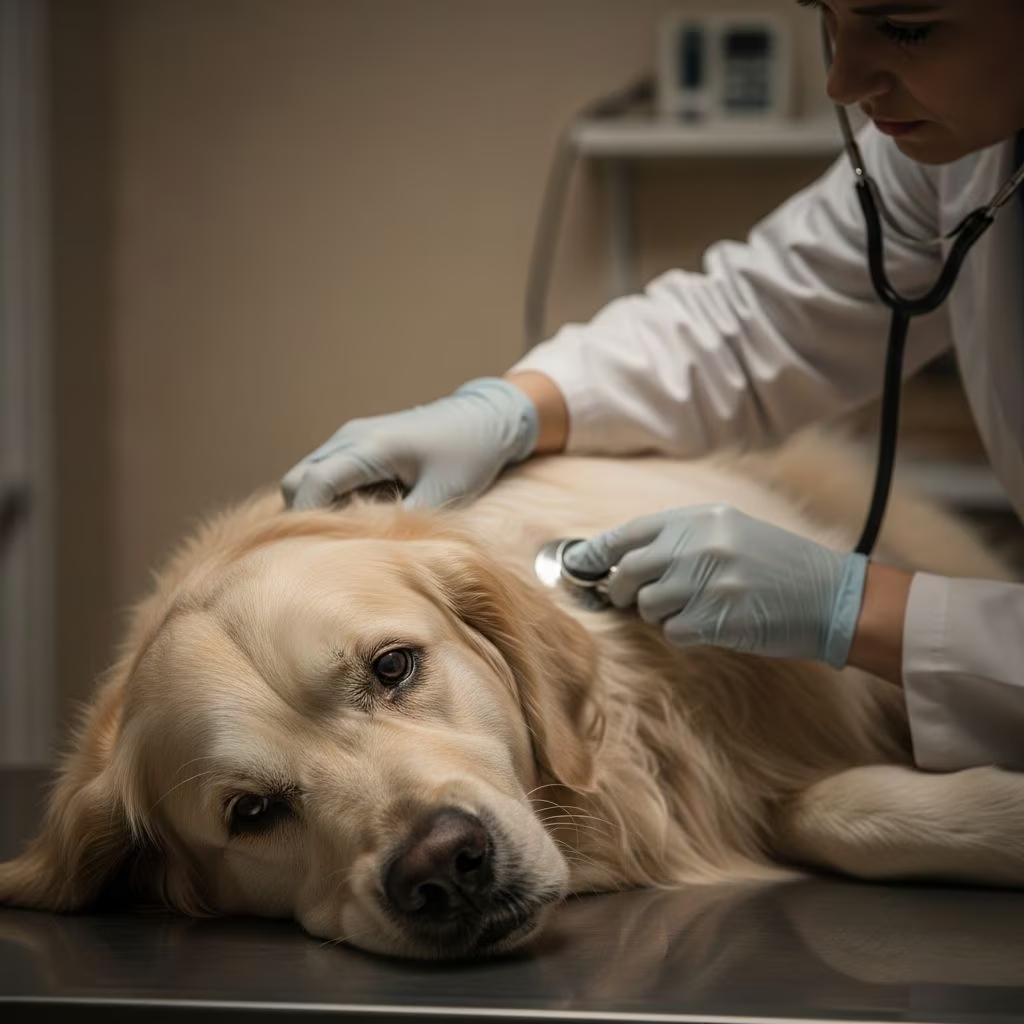
Heart attacks in dogs, while rare compared to humans, do occur and can be life-threatening. Unlike humans, dogs rarely suffer from cholesterol buildup causing blockages; instead, they experience myocardial infarction from blood clots triggered by underlying conditions like hypothyroidism or tumors. Prompt veterinary intervention is crucial for survival and management.
What Is a Heart Attack?
A heart attack, or myocardial infarction, happens when blood flow to the heart muscle is blocked, depriving it of oxygen and causing tissue damage. In dogs, this is most often due to ventricular fibrillation (V-fib), where the heart’s lower chambers contract rapidly and uncoordinated, halting effective blood pumping. This leads to sudden cardiac death if untreated.
Human heart attacks typically stem from atherosclerosis—plaque narrowing coronary arteries—followed by clot formation. Dogs lack significant cholesterol plaque issues, making true coronary blockages uncommon. Instead, hypercoagulability (excessive clotting) from diseases creates clots that lodge in heart vessels.
Can Dogs Have Heart Attacks?
Yes, dogs can have heart attacks, though they are exceedingly rare. The American Kennel Club notes that sudden cardiac death from V-fib is the primary mechanism, often linked to non-cholesterol causes. Conditions promoting clots include hypothyroidism, vasculitis (blood vessel inflammation), heart tumors, bacterial infections, and nephrotic syndrome from kidney disease.
- Hypothyroidism: Low thyroid hormone increases clotting risk.
- Tumors: Masses around the heart or vessels obstruct flow.
- Infections: Bacterial spread inflames coronary vessels.
- Kidney complications: Nephrotic syndrome heightens coagulopathy.
Large breeds like Boxers or Dobermans may be predisposed due to underlying cardiomyopathies, but any dog can be affected.
Symptoms of a Heart Attack in Dogs
Recognizing symptoms early can save lives. Dogs may collapse suddenly without prior warning, mimicking a faint or seizure. Key signs include:
- Sudden loss of consciousness or collapse.
- Rapid, labored breathing or respiratory distress.
- Extreme weakness, lethargy, or inability to stand.
- Abnormal heart rate (too fast or irregular).
- Blue gums or tongue from oxygen deprivation.
- Vomiting, high temperature (>103°F), or pale mucous membranes.
These overlap with congestive heart failure (CHF) symptoms like coughing, exercise intolerance, and fatigue. CHF, more common, arises from valve disease or dilated cardiomyopathy, causing fluid buildup in lungs. Distinguish by urgency: heart attack symptoms are acute and collapse-focused.
| Heart Attack Symptoms | CHF/Heart Disease Symptoms |
|---|---|
| Sudden collapse, rapid breathing | Coughing, gradual fatigue |
| Loss of consciousness | Exercise intolerance, weight loss |
| Blue gums, vomiting | Fluid retention, fainting episodes |
This table highlights differences for quick owner reference.
Causes of Heart Attacks in Dogs
Blood clots from hypercoagulable states are primary culprits. Merck Veterinary Manual outlines cardiovascular risks, but specifics tie to:
- Endocarditis: Bacterial infection on heart valves spreads to coronaries.
- Cancer: Tumors like hemangiosarcoma invade vessels.
- Pancreatitis or IMHA: Immune-mediated anemia boosts clotting.
- Trauma or toxins: Leading to arrhythmias or arrest.
Breeds with genetic predispositions, like Cavalier King Charles Spaniels (mitral valve disease) or Great Danes (cardiomyopathy), face higher risks.
Diagnosis of Heart Problems in Dogs
Vets start with physical exams detecting murmurs or arrhythmias. Diagnostics include:
- Electrocardiography (ECG): Checks rhythms.
- Echocardiography: Visualizes heart structure, clots, or tumors.
- Blood tests: Thyroid, kidney function, clotting profiles.
- X-rays: Assess lung fluid or heart enlargement.
- Holter monitor: 24-hour rhythm tracking post-stabilization.
NT-proBNP blood tests screen for silent disease, vital in at-risk breeds.
Treatment for Heart Attacks and Related Conditions
Emergency care is first: resuscitation, oxygen, and stabilization. Blood thinners dissolve clots; lifelong therapy often follows.
For underlying causes:
- Hypothyroidism: Thyroid replacement therapy.
- Infections: Antibiotics.
- Tumors: Surgery if feasible.
- Kidney disease: Supportive meds.
CHF management per Merck includes:
- Diuretics (furosemide): Reduce fluid.
- Pimobendan: Boosts heart contractility, extends life.
- ACE inhibitors (enalapril): Lower pressure, prevent remodeling.
- Digoxin: Controls rate in failures.
- Anti-arrhythmics: Stabilize rhythms; pacemakers rare.
Pericardial effusion requires pericardiocentesis (fluid drainage). Hospitalization ensures monitoring until stable.
Recovery and Prognosis
Prognosis varies: clot dissolution yields good outcomes if caught early, but tumors worsen it. Lifelong meds manage CHF, offering 6 months to years of quality life. Holter monitoring tracks progress; diet and exercise restrictions apply.
How to Prevent Heart Attacks in Dogs
Prevention focuses on heart disease avoidance:
- Annual vet checkups, especially for seniors or breeds like Dobermans.
- Heartworm preventives year-round.
- Nutritious, low-sodium diet; maintain ideal weight.
- Regular exercise without overexertion.
- Screen predisposed breeds early.
Boarded cardiologist consult for murmurs. Avoid toxins like rodenticides promoting clots.
When to See a Vet
Seek immediate care for collapse, breathing distress, or weakness. Even subtle signs like cough warrant exams—early detection manages progression.
Frequently Asked Questions (FAQs)
What are the first signs of heart problems in dogs?
Coughing, lethargy, rapid breathing, fainting, or exercise intolerance signal issues; collapse indicates emergency.
Is heart failure the same as a heart attack in dogs?
No—heart failure is chronic pump inefficiency; attacks are acute blockages. Symptoms overlap, needing vet differentiation.
How common are heart attacks in dogs?
Very rare; far less than in humans due to no atherosclerosis epidemic.
Can diet prevent dog heart disease?
Yes, balanced, heart-healthy diets reduce risks alongside preventives and monitoring.
What breeds are prone to heart issues?
Small breeds (valve disease), large breeds like Boxers (cardiomyopathy).
References
- Can Dogs Have Heart Attacks? Causes, Treatment, and Prevention — American Kennel Club (AKC). 2023-05-15. https://www.akc.org/expert-advice/health/can-dogs-have-heart-attacks/
- Treatment of Cardiovascular Disease in Dogs – Dog Owners — Merck Veterinary Manual. 2024-01-10. https://www.merckvetmanual.com/dog-owners/heart-and-blood-vessel-disorders-of-dogs/treatment-of-cardiovascular-disease-in-dogs
- Can dogs have heart attacks? Signs of heart problems in dogs — Vetster. 2023-11-20. https://vetster.com/en/wellness/can-dogs-have-heart-attacks-signs-of-heart-problems-in-dogs
- 9-1-1: Is My Dog Having a Dog Heart Attack? — Oakland Veterinary Referral Services. 2023-08-05. https://www.ovrs.com/blog/dog-heart-attack/
- Heart Attack in Dogs — PetMD. 2024-02-12. https://www.petmd.com/dog/conditions/cardiovascular/c_dg_heart_attack
- Is My Dog Having a Heart Attack? — CVCA Cardiac Care for Pets. 2023-07-18. https://www.cvcavets.com/blog/is-my-dog-having-a-heart-attack
- Congestive Heart Failure in Dogs: Urgent Symptoms & What to Do — Golden State Veterinary Specialists. 2024-03-22. https://gsvs.org/blog/congestive-heart-failure-dogs-urgent-signs/



