

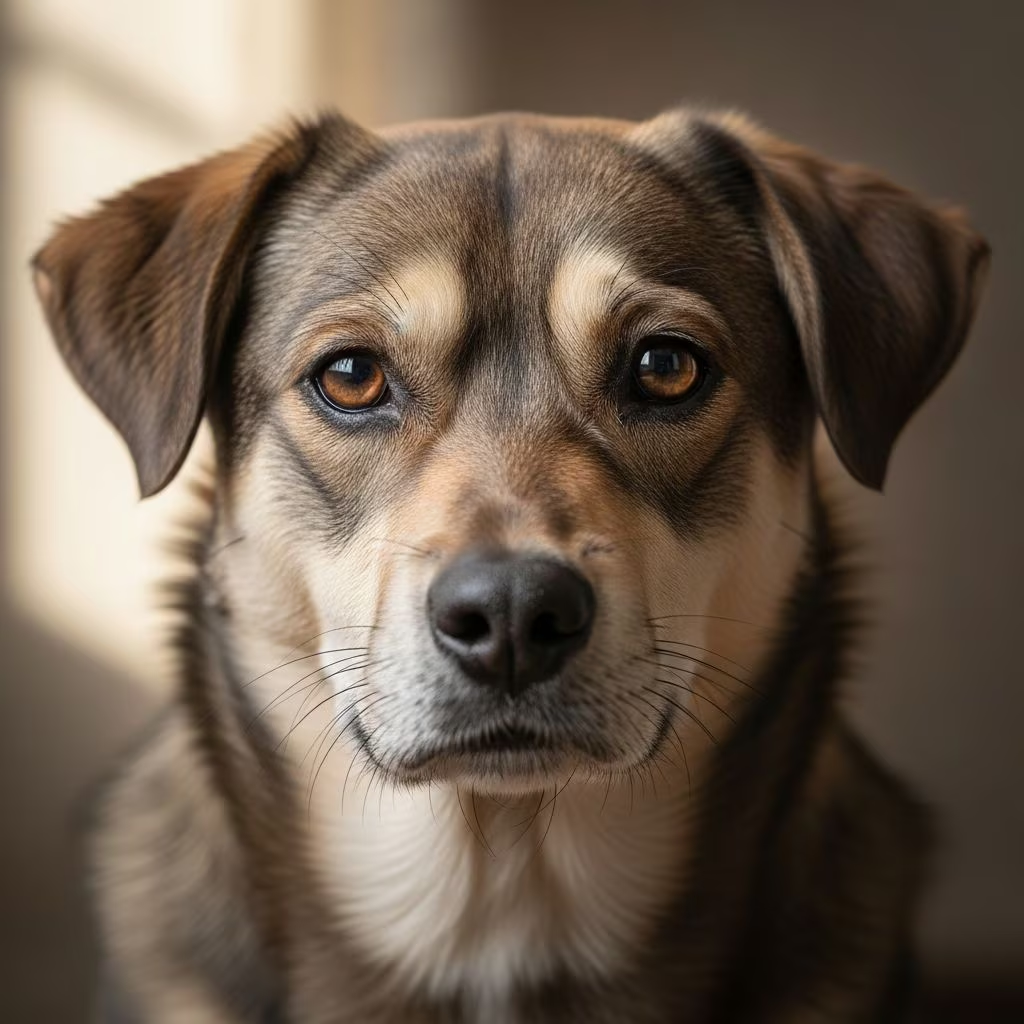
Dogs cannot have Down syndrome, which is a human-specific condition caused by an extra copy of chromosome 21 (trisomy 21). Canine genetics differ significantly, with dogs having 78 chromosomes arranged in 39 pairs, lacking an equivalent to human chromosome 21. However, puppies may exhibit symptoms resembling Down syndrome, such as stunted growth, facial abnormalities, cognitive delays, and health issues, due to other congenital or genetic disorders. These mimicries often lead pet owners to mistakenly label affected dogs as having “Down syndrome.” Early veterinary diagnosis is crucial to identify and manage the underlying cause, improving quality of life.
Symptoms That Look Like Down Syndrome in Dogs
Owners frequently notice unusual traits in puppies that echo Down syndrome characteristics in humans. These include physical, behavioral, and developmental signs that appear shortly after birth. Common symptoms reported across veterinary sources include:
- Stunted growth and smaller size: Puppies remain smaller than littermates, with short limbs and a puppy-like stature persisting into adulthood.
- Abnormal facial features: Puffy or thickened facial features, broad head, domed skull, wide-set or bulging eyes, and sometimes a large tongue.
- Cognitive and behavioral delays: Slow learning, reduced responsiveness, lethargy, poor coordination, disorientation, or difficulty focusing.
- Poor coat quality: Thinning fur, dry flaky skin, or a soft woolly coat that leads to hair loss.
- Sensory issues: Vision or hearing problems, such as squinting, bumping into objects, or not responding to cues.
- Health complications: Irregular heart rate, gastrointestinal problems (vomiting, diarrhea), neurological symptoms (seizures, head tilting), excessive thirst/urination, or chronic tiredness.
These signs often manifest in the first few weeks of life and can worsen without intervention. For instance, a puppy with a dull expression, low energy, and delayed tooth eruption may prompt concern. Veterinary observation is key, as symptoms overlap with treatable conditions.
Conditions That Can Be Mistaken for Down Syndrome in Dogs
Several genetic, congenital, and developmental disorders in dogs produce Down syndrome-like symptoms. These are not trisomy 21 but result from hormonal deficiencies, fluid buildup, or organ malformations. Below are the most common:
Pituitary Dwarfism
Pituitary dwarfism stems from a malfunctioning pituitary gland, leading to growth hormone deficiency. It causes proportional dwarfism, where dogs retain a puppy-like appearance. Prevalent in German Shepherds due to inherited mutations, symptoms include smaller stature, delayed tooth eruption, woolly coat with hair loss, lethargy, and increased infection risk. Affected dogs may live normally with hormone therapy, but secondary issues like hypothyroidism often develop.
Congenital Hypothyroidism
This birth defect occurs when the thyroid gland fails to produce hormones, stunting growth and metabolism. Puppies show disproportionate dwarfism, facial puffiness, large tongue, lethargy, constipation, and cognitive dullness. Toy breeds and those with genetic predispositions are at risk. Treatment with lifelong thyroid supplements resolves most symptoms if started early.
Congenital Hydrocephalus
Known as “water on the brain,” this involves excess cerebrospinal fluid pressuring brain tissue. Common in toy and brachycephalic breeds like Chihuahuas, Pomeranians, and Bulldogs, signs include a domed skull, bulging eyes, poor coordination, seizures, and learning difficulties. Severity varies; mild cases may stabilize, while severe ones require surgery to drain fluid.
Congenital Heart Defects
Defects like patent ductus arteriosus (PDA), ventricular septal defect (VSD), or pulmonic stenosis impair blood flow, causing poor growth, exercise intolerance, coughing, fatigue, and fainting. Breeds like Bulldogs and Boxers are prone. Diagnosis uses X-rays and echocardiography; many are surgically correctable.
Portosystemic Shunt (PSS)
A vascular abnormality bypasses the liver, leading to toxin buildup. Symptoms mimic neurological issues: stunted growth, seizures, vomiting, excessive drinking/urination, and behavioral changes. Toy breeds are susceptible; surgery often cures it.
Other Conditions
- Cerebellar Hypoplasia: Causes tremors, clumsiness, and coordination loss from underdeveloped cerebellum, often due to in-utero infections.
- Brachycephalic Airway Syndrome: Breathing difficulties in flat-faced breeds like Pugs, leading to exercise intolerance.
- Chromosomal Abnormalities: Rare trisomy-like errors causing facial deformities, heart defects, and delays.
| Condition | Key Symptoms | Common Breeds | Treatment |
|---|---|---|---|
| Pituitary Dwarfism | Small size, woolly coat, lethargy | German Shepherds | Hormone therapy |
| Congenital Hypothyroidism | Stunted growth, puffiness, dullness | Toy breeds | Thyroid supplements |
| Hydrocephalus | Domed skull, seizures, poor coordination | Chihuahuas, Bulldogs | Medication/surgery |
| Heart Defects | Fatigue, coughing, poor growth | Bulldogs, Boxers | Surgery/medication |
| Portosystemic Shunt | Neurological signs, vomiting | Toy breeds | Surgery |
Are Some Dogs More Susceptible?
No dog is susceptible to human Down syndrome, but certain breeds face higher risks for mimicking conditions due to genetics, inbreeding, brachycephalic structure, or small size:
- Toy and brachycephalic breeds (Chihuahua, Pomeranian, Bulldog, Pug, Boston Terrier, Yorkshire Terrier): Prone to hydrocephalus, PSS, and airway issues.
- German Shepherds: High incidence of pituitary dwarfism.
- Bulldogs/Boxers: Congenital heart defects.
Factors like advanced parental age, inbreeding, gestational infections, toxins, or malnutrition increase risks for all breeds. Responsible breeding reduces incidence.
Diagnosis and Treatment
Diagnosis starts with a vet exam noting symptoms. Tests include:
- Bloodwork for hormone levels (thyroid, growth hormone).
- Imaging: X-rays, ultrasound, MRI/CT for heart, brain, or shunts.
- Echocardiography for heart defects.
- Genetic testing where available.
Treatments are condition-specific: hormone replacements for dwarfism/hypothyroidism, surgery for shunts/hearts/hydrocephalus, medications for symptoms. Prognosis is good with early intervention; many dogs thrive. Supportive care includes diet, exercise, and monitoring for secondary infections.
FAQs
Can dogs actually have Down syndrome?
No, Down syndrome (trisomy 21) is human-specific. Dogs show similar symptoms from other disorders.
What should I do if my puppy seems “slow”?
See a vet immediately for diagnosis. Early treatment improves outcomes.
Is pituitary dwarfism curable?
Not cured, but manageable with hormones; life expectancy varies.
Can these conditions be prevented?
Choose reputable breeders, avoid inbreeding, vaccinate dams.
Do affected dogs live happy lives?
Yes, with proper care, many do.
References
- Down Syndrome in Dogs: Can Dogs Get It? — Noble Vet Clinic. 2023. https://noblevetclinic.com/blog/down-syndrome-in-dogs
- World Down Syndrome Day: 5 down syndrome like condition in dogs — Hindustan Times. 2023-03-21. https://www.hindustantimes.com/lifestyle/pet/world-down-syndrome-day-5-down-syndrome-like-condition-in-dogs-101679312965681.html
- Down syndrome in dogs: Is it possible? — Rover.com. 2023. https://www.rover.com/blog/down-syndrome-dogs/
- All to Know About Down Syndrome Dog — Starlight Vet. 2023. https://starlight-vet.com.my/down-syndrome-dog/
- Can Dogs Have Down Syndrome? Diagnosis and Treatment — Kinship.com. 2023. https://www.kinship.com/dog-health/can-dogs-have-down-syndrome
- Can my dog get Down’s syndrome? — Joii Pet Care. 2023. https://www.joiipetcare.com/blogs/advice/can-my-dog-get-down-s-syndrome
- Can a Dog Have Down Syndrome — Whole Dog Journal. 2023. https://www.whole-dog-journal.com/health/can-my-dog-have-down-syndrome/



