

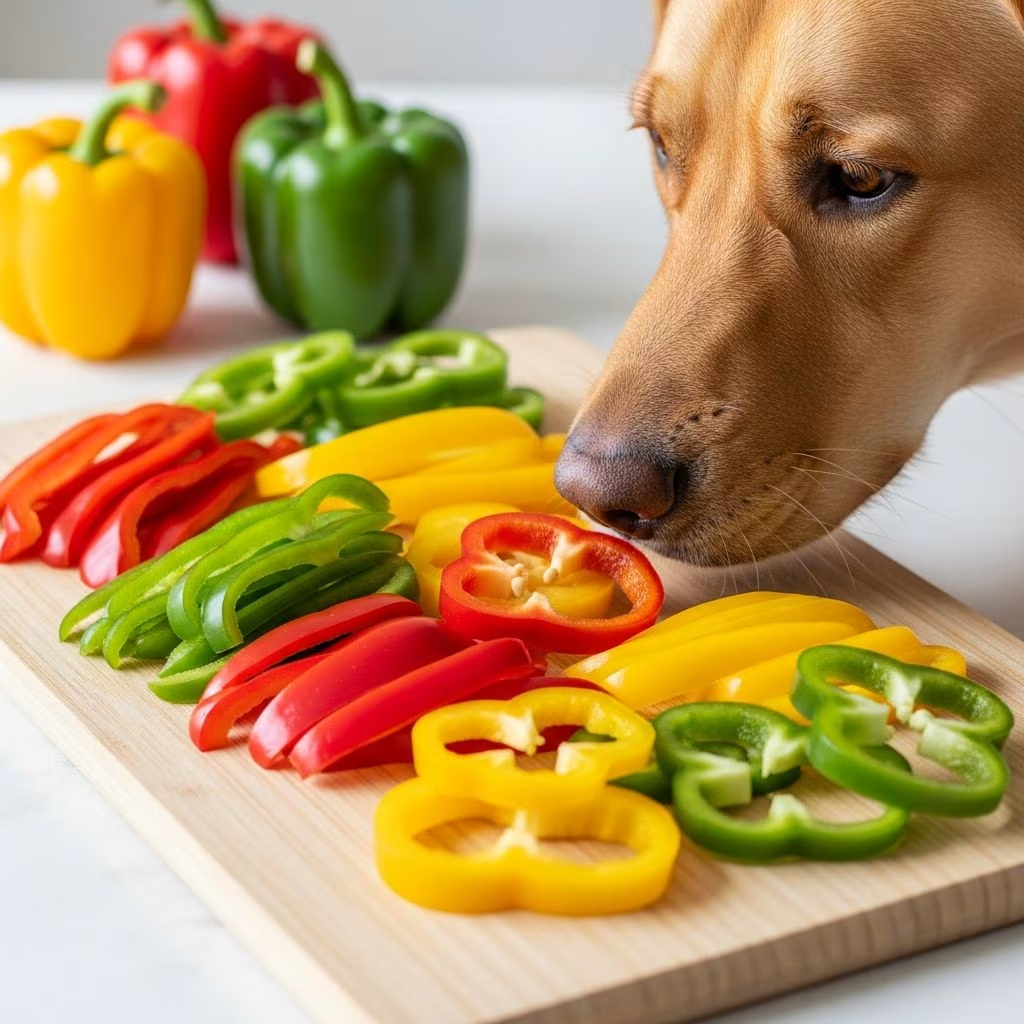
Can Dogs Have Bell Peppers?
Yes, bell peppers are safe for dogs to eat in moderation. These colorful vegetables can be a nutritious addition to your dog’s diet when prepared correctly. Bell peppers of all colors—red, green, orange, and yellow—are non-toxic and offer various health benefits for dogs when served without harmful additives.
Are Bell Peppers Safe for Dogs?
Bell peppers are completely safe for dogs when given appropriately. However, safety depends on proper preparation and portion control. The key considerations include removing seeds and stems, cutting peppers into bite-sized pieces, and ensuring they’re served without added salt, seasonings, or spices.
Unlike spicy peppers such as jalapeños, habaneros, or chili peppers, bell peppers do not contain capsaicin, the compound responsible for the burning sensation in hot peppers. This makes them an ideal choice for canine snacking.
Which Bell Pepper Colors Are Safe?
Dogs can safely consume bell peppers of all colors. Each color offers distinct nutritional profiles:
- Red bell peppers: Considered the healthiest option due to their longer ripening time on the vine, red peppers contain higher levels of beta-carotene, vitamins A and C, and antioxidants
- Yellow and orange bell peppers: Also nutrient-rich alternatives that provide vitamins and minerals beneficial to canine health
- Green bell peppers: The most bitter-tasting variety but still perfectly healthy for dogs, containing similar nutritional benefits to other colored peppers
Raw vs. Cooked Bell Peppers: Which is Better?
Dogs can enjoy bell peppers prepared in multiple ways. Raw bell peppers provide maximum nutritional content and can be refreshing for dogs. Cooked bell peppers are also safe and may offer benefits for digestive ease, as cooking softens them and potentially improves digestibility.
When cooking bell peppers for your dog, use simple preparation methods such as light steaming without added oils, salts, or spices. Steaming preserves nutritional content while making the pepper easier for your dog to consume.
Nutritional Benefits of Bell Peppers for Dogs
Bell peppers offer numerous health benefits when incorporated into your dog’s diet appropriately:
Rich in Essential Vitamins and Minerals
Bell peppers are packed with vitamins A, C, E, and B6, along with essential nutrients like potassium, beta-carotene, and lutein. Vitamin A supports eye health, vitamin C boosts the immune system, vitamin E promotes healthy skin and coat, and vitamin B6 is important for nervous system function. These vitamins work synergistically to maintain overall canine health and vitality.
Powerful Antioxidant Properties
Bell peppers, especially red ones, contain significant antioxidants including beta-carotene and lycopene. These antioxidants help protect your dog’s cells from free radical damage, potentially reducing disease risk and promoting a healthy immune system. For older dogs, the anti-inflammatory properties can be particularly beneficial in managing arthritis symptoms.
Excellent Source of Fiber
The fiber content in bell peppers supports digestive health by aiding normal bowel movements and promoting a healthy gut microbiome. This makes bell peppers particularly helpful for dogs experiencing constipation or other digestive issues.
Low in Calories
A medium red bell pepper contains approximately 40 calories, making them an excellent guilt-free treat option. This low-calorie content is especially beneficial for weight-conscious dogs or those needing to maintain a healthy weight without compromising on nutrition.
High Water Content for Hydration
Bell peppers are 92 to 94 percent water, providing an excellent hydration source for your dog, particularly during warm weather. This high water content makes them ideal for pairing with dry kibble to boost overall hydration with every meal.
How Much Bell Pepper Can Dogs Eat?
Proper portion control is essential when feeding bell peppers to dogs. As a general guideline, treats and human food, including bell peppers, should constitute no more than 10 percent of your dog’s daily calorie intake, with the remaining 90 percent coming from nutritionally-balanced commercial dog food.
While bell peppers are very low in calories, meaning you could technically feed larger amounts, it’s best to stick to smaller portions to prevent digestive upset. Start by introducing bell peppers in small amounts, allowing your dog’s digestive system time to adjust to this new food.
Potential Risks and Precautions
While bell peppers are generally safe, certain feeding practices can pose risks to your dog’s health:
Digestive Upset
Eating excessive amounts of bell pepper can lead to mild stomach problems including gas, bloating, and vomiting. Dogs with sensitive digestive systems are particularly at risk of gastrointestinal distress. Introduce bell peppers gradually to allow your dog’s system to adjust properly.
Choking Hazards and Obstruction
The stems and seeds of bell peppers can be difficult to chew and swallow, posing potential choking hazards or gastrointestinal obstructions. Large pieces of bell pepper can also create similar risks, particularly in smaller dog breeds. Always remove stems and seeds, and cut peppers into appropriately-sized bite-sized pieces before serving.
Allergies and Sensitivities
Although rare, some dogs may experience allergic reactions to bell peppers, presenting as skin irritation, redness, or excessive scratching. Additionally, seasoned bell peppers containing garlic or other spices are toxic and must be strictly avoided.
How to Prepare Bell Peppers for Your Dog
Proper preparation ensures maximum safety and nutritional benefit:
- Choose organic bell peppers when possible to minimize pesticide exposure
- Wash the pepper thoroughly under running water
- Remove all seeds completely, as they can pose choking hazards
- Remove the stem entirely
- Cut the pepper into small, bite-sized pieces appropriate for your dog’s size
- Serve raw, steamed, or puréed—never with added salt, pepper, spices, or garlic
- Store leftover peppers in an airtight container in the refrigerator
Frequently Asked Questions About Bell Peppers and Dogs
Q: Are bell peppers toxic to dogs?
A: No, bell peppers of all colors are completely non-toxic to dogs and are safe to eat in moderation. They offer nutritional benefits when prepared correctly without harmful additives.
Q: Which color bell pepper is healthiest for dogs?
A: Red bell peppers are considered the healthiest option because they mature longest on the vine, absorbing more sunlight and converting it into nutrients, resulting in higher levels of beta-carotene and vitamins A and C.
Q: Can dogs eat cooked bell peppers?
A: Yes, cooked bell peppers are safe and may be more digestible for some dogs. Cook them using simple methods like steaming without added oils, salts, or spices to preserve nutritional content.
Q: What about spicy peppers like jalapeños?
A: Dogs should never consume spicy peppers containing capsaicin, such as jalapeños, habaneros, or chili peppers, as they can cause digestive upset, excessive panting, drooling, stomach pain, and vomiting.
Q: How often can I feed my dog bell peppers?
A: Bell peppers can be offered as occasional treats or snacks. Ensure they constitute no more than 10 percent of your dog’s daily calorie intake, with the remainder coming from complete, balanced dog food.
Q: Can bell peppers help with specific health conditions?
A: Bell peppers may support joint health and help alleviate arthritis symptoms in older dogs due to their antioxidant and anti-inflammatory properties. The fiber content also supports digestive health for dogs prone to constipation.
Q: What should I do if my dog has a reaction to bell peppers?
A: If your dog experiences digestive upset, vomiting, diarrhea, or allergic symptoms after eating bell peppers, discontinue feeding them and consult your veterinarian. Remove bell peppers from your dog’s diet if sensitivity is confirmed.
Conclusion
Bell peppers are a safe, nutritious, and healthy addition to your dog’s diet when prepared properly and served in appropriate portions. Their rich nutritional profile, including vitamins, minerals, antioxidants, and fiber, makes them an excellent treat option that supports overall canine health. By following proper preparation guidelines—removing seeds and stems, cutting into bite-sized pieces, and avoiding any harmful additives—you can safely incorporate bell peppers into your dog’s feeding routine. Always introduce new foods gradually and consult your veterinarian if you have specific concerns about your dog’s diet or if they experience any adverse reactions.
References
- Can Dogs Have Bell Peppers? — Four Leaf Rover. https://fourleafrover.com/blogs/natural-health/can-dogs-have-bell-peppers
- Can Dogs Eat Bell Peppers? Bell Peppers for Dogs Explained — Noble Vet Clinic. https://noblevetclinic.com/blog/can-dogs-eat-bell-peppers
- Can Dogs Eat Bell Peppers? — Chewy. https://www.chewy.com/education/dog/food-and-nutrition/can-dogs-eat-bell-peppers
- Can Dogs Have Bell Peppers? — PetLab Co. https://thepetlabco.com/learn/dog/nutrition/dogs-bell-peppers
- Can Dogs Eat Bell Peppers? — American Kennel Club. https://www.akc.org/expert-advice/nutrition/can-dogs-eat-bell-peppers/
- The Benefits of Bell Peppers for Dogs — The Pet Gourmet. https://www.thepetgourmet.com/blogs/pet-owners-tips-and-tricks/the-benefits-of-bell-peppers-for-dogs
- Can dogs eat Peppers? Vet Verified Answer — Pooch & Mutt. https://www.poochandmutt.co.uk/blogs/can-dogs-eat/peppers



