

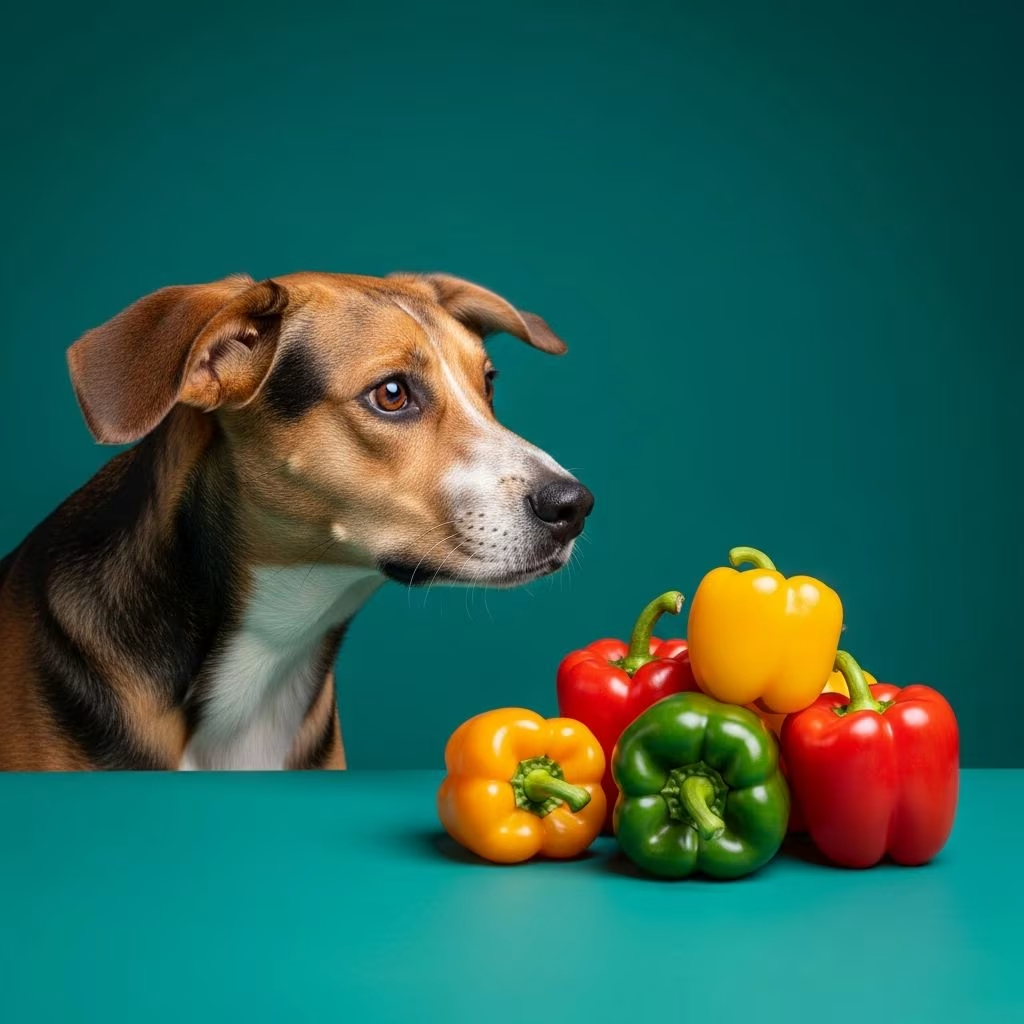
Yes, dogs can safely eat bell peppers in moderation. Bell peppers are a nutritious, low-calorie treat that can provide several health benefits for your canine companion when prepared correctly. Whether served raw, cooked, or pureed, bell peppers can be a healthy addition to your dog’s diet when proper precautions are taken.
Are Bell Peppers Safe for Dogs?
Bell peppers are entirely safe for dogs when given appropriately. Unlike their spicy cousins such as jalapeos, habaneros, or chili peppers, bell peppers contain minimal capsaicin, the compound responsible for the burning sensation in hot peppers. This makes them an excellent choice for dog owners looking to introduce variety into their pet’s treat rotation.
The American Kennel Club confirms that bell peppers are not toxic to dogs and can serve as a healthy alternative to processed treats. Dr. Carly Fox, Senior Veterinarian at the Schwarzman Animal Medical Center, notes that bell peppers are a safe and nutritious snack option for pet owners to share with their dogs.
However, safety requires proper preparation. Always remove the stem and seeds before offering bell peppers to your dog. While not toxic, these parts can be difficult to digest and pose choking hazards. Additionally, ensure that bell peppers are unseasoned and free from harmful additives like salt, garlic, or spices, all of which can be harmful to dogs.
What Types of Bell Peppers Can Dogs Eat?
Dogs can safely consume bell peppers of all colors, including red, green, orange, and yellow varieties. Each color offers similar nutritional benefits, though there are some subtle differences in nutrient concentrations.
- Red Bell Peppers: The most nutrient-dense option. Red peppers mature the longest on the vine, allowing them to accumulate higher levels of vitamins A and C, beta-carotene, and antioxidants. Raw red pepper contains substantial amounts of vitamins A, C, and E, along with anti-inflammatory properties.
- Green Bell Peppers: The most bitter-tasting variety but still perfectly healthy for dogs. Green peppers provide similar nutritional benefits to their colored counterparts and make an excellent snack option.
- Orange Bell Peppers: A middle ground between green and red peppers in terms of nutrient density and taste, offering a balanced nutritional profile.
- Yellow Bell Peppers: Also safe and nutritious, though slightly lower in certain antioxidants compared to red peppers.
All bell pepper colors are safe whether served raw or cooked, as long as they are prepared without added oils, salts, spices, or seasonings.
Nutritional Benefits of Bell Peppers for Dogs
Bell peppers offer numerous nutritional advantages for your dog’s health and well-being. These colorful vegetables are packed with essential vitamins, minerals, and phytonutrients that support various bodily functions.
Rich in Vitamins and Minerals
Bell peppers are loaded with vitamins A, C, E, and B6, along with essential nutrients like beta-carotene and lutein. According to pet nutritionist Leasa Moltke, beta-carotene can be converted into vitamin A in the body and is important for skin, coat, and eye health. Vitamin C supports immune function and acts as an antioxidant, while vitamin E protects cells from oxidative damage.
Low in Calories
Bell peppers contain approximately 40 calories for one medium red bell pepper, making them an excellent low-calorie treat option. While the calories are primarily from carbohydrates like glucose and fructose, the low overall caloric content means bell peppers can be offered as occasional snacks without contributing to weight gain. This makes them particularly suitable for dogs that need to maintain or reduce their weight.
Good Source of Fiber
The fiber content in bell peppers aids in digestion and supports normal bowel movements. This benefit is especially helpful for dogs prone to constipation or other digestive issues. The fiber is generally well-tolerated by most dogs, promoting a healthy gut microbiome and supporting overall digestive health.
Antioxidant Properties
Bell peppers contain powerful antioxidants, including beta-carotene and lycopene, which help reduce inflammation and protect dogs against cellular damage. These antioxidants help fight off free radicals, potentially reducing the risk of certain diseases and supporting long-term health and well-being. Red bell peppers, in particular, have the highest concentration of these protective compounds.
High Water Content and Hydration
Bell peppers are 92 to 94 percent water, making them an excellent hydrating treat, especially during hot weather. This high water content means bell peppers can contribute to your dog’s overall hydration levels. Pairing bell peppers with dry kibble can provide a hydration boost with every meal, making them a practical addition to your dog’s diet.
May Support Joint Health
The antioxidants and anti-inflammatory nutrients present in bell peppers may help alleviate symptoms of arthritis in dogs, supporting joint health and mobility in aging or arthritic pets.
How to Prepare Bell Peppers for Dogs
Proper preparation is essential to ensure bell peppers are safe and beneficial for your dog. Follow these guidelines to make bell peppers a healthy treat:
- Remove the stem: The stem is hard to chew and can pose a choking hazard. Always remove it completely before serving.
- Remove the seeds: While not toxic, seeds can be difficult for dogs to digest and may cause gastrointestinal upset. Remove all seeds before offering bell peppers to your dog.
- Cut into appropriate sizes: Cut bell peppers into bite-sized pieces suitable for your dog’s size. Large pieces can pose choking hazards, especially for smaller breeds.
- Avoid additives: Never season bell peppers with salt, pepper, spices, garlic, or oils. These additives can be harmful to dogs and negate the health benefits.
- Wash thoroughly: Rinse bell peppers under clean water to remove any pesticides or dirt.
- Choose organic when possible: Opting for organic bell peppers reduces exposure to harmful pesticides.
Raw vs. Cooked Bell Peppers
Dogs can enjoy bell peppers in multiple forms, each offering distinct advantages.
Raw Bell Peppers
Raw bell peppers retain their full nutritional value and provide a crunchy texture that many dogs enjoy. The firmness can also help clean your dog’s teeth naturally. Raw peppers are best served in small, bite-sized pieces to prevent choking hazards.
Cooked Bell Peppers
Cooking bell peppers makes them softer and potentially more digestible for some dogs. Light steaming is the best cooking method, as it preserves nutritional content while making the pepper easier to consume. Always cook bell peppers without added oils, salts, or spices. Boiling is another option, though steaming better retains nutrients.
Pureed Bell Peppers
Pureed bell peppers offer an excellent option for dogs with sensitive teeth or digestive issues, making them easier to consume and digest. This preparation method is also useful for adding bell peppers to your dog’s regular food.
Proper Portion Sizes and Feeding Guidelines
While bell peppers are healthy, moderation is key. Following proper portion guidelines ensures your dog receives the benefits without potential adverse effects.
The 10 Percent Rule: Dog treats and human food, including bell peppers, should constitute no more than 10 percent of your dog’s daily calorie intake. The remaining 90 percent should come from nutritionally balanced dog food formulated to meet all of your dog’s dietary requirements.
Given that one medium red bell pepper contains approximately 40 calories, most dogs can safely consume small amounts of bell pepper as an occasional treat. However, the amount depends on your individual dog’s size, age, activity level, and overall calorie needs. Small dogs should receive smaller portions than large dogs.
When introducing bell peppers for the first time, start with small amounts to allow your dog’s digestive system to adjust. This gradual introduction helps identify any potential sensitivities or allergies.
When Bell Peppers May Cause Problems
Although bell peppers are generally safe, certain situations warrant caution and careful observation.
Digestive Upset
Eating excessive amounts of bell pepper can lead to mild stomach problems such as gas, bloating, diarrhea, or vomiting. Dogs with sensitive digestive systems are particularly susceptible to these issues. To prevent digestive upset, introduce bell peppers gradually and in small amounts, allowing your dog’s system to adjust.
Choking Hazards and Obstructions
The stems and seeds of bell peppers can be hard to chew and difficult to swallow. These components can potentially lodge in your dog’s throat or gastrointestinal tract, creating serious blockages. Large pieces of bell pepper flesh pose similar risks, particularly for smaller dog breeds. Always cut bell peppers into appropriate, manageable pieces.
Potential Allergies and Sensitivities
Although rare, some dogs may develop allergic reactions to bell peppers. Signs of an allergic reaction include skin irritation, redness, or excessive scratching. If your dog displays these symptoms after consuming bell peppers, discontinue feeding them and consult your veterinarian.
Contamination from Seasonings
Bell peppers prepared with harmful ingredients pose serious health risks. Garlic and certain seasonings are toxic to dogs and can cause significant harm. Always ensure bell peppers are unseasoned and free from any additives.
Bell Peppers vs. Other Peppers
Not all peppers are safe for dogs. While bell peppers are an excellent choice, other pepper varieties can cause serious problems.
| Pepper Type | Safety for Dogs | Why or Why Not |
|---|---|---|
| Bell Peppers (all colors) | Safe | Low in capsaicin, nutritious, and non-toxic to dogs |
| Jalapeos | Unsafe | High capsaicin content causes digestive upset and discomfort |
| Habaneros | Unsafe | Very high capsaicin levels can cause severe digestive issues |
| Chili Peppers | Unsafe | High capsaicin causes excessive panting, drooling, and stomach pain |
| Black Pepper | Use Caution | Small amounts generally safe, but best avoided due to irritation potential |
Hot peppers containing capsaicin can cause significant discomfort and digestive upset in dogs. Symptoms of capsaicin ingestion include excessive panting, drooling, stomach pain, indigestion, diarrhea, and vomiting. Stick exclusively to bell peppers when offering peppers to your dog.
Frequently Asked Questions
Q: Are bell peppers toxic to dogs?
A: No, bell peppers of all colors are completely safe for dogs and are not toxic. They are nutritious and can support your dog’s health when fed appropriately.
Q: Which color bell pepper is best for dogs?
A: Red bell peppers are the most nutrient-dense option, containing higher levels of vitamins A and C, beta-carotene, and antioxidants. However, all colorsred, green, orange, and yelloware safe and nutritious for dogs.
Q: How much bell pepper can I give my dog daily?
A: Bell peppers should constitute no more than 10 percent of your dog’s daily calorie intake. Given their low calorie content (about 40 calories per medium pepper), most dogs can safely have small portions as occasional treats. Start with small amounts and observe your dog’s response.
Q: Can dogs eat raw bell peppers?
A: Yes, dogs can eat raw bell peppers. Raw peppers retain all their nutrients and provide a crunchy texture many dogs enjoy. Always cut them into appropriate bite-sized pieces and remove stems and seeds.
Q: Can dogs eat cooked bell peppers?
A: Yes, cooked bell peppers are safe and often more digestible. Light steaming is the best cooking method, as it preserves nutrients while softening the pepper. Never cook with added oils, salts, or spices.
Q: What parts of the bell pepper should I remove?
A: Always remove the stem and all seeds before serving bell peppers to your dog. These parts can be difficult to digest and pose choking hazards. Cut the remaining pepper into bite-sized pieces appropriate for your dog’s size.
Q: Can bell peppers cause digestive problems in dogs?
A: Excessive amounts of bell pepper can cause mild digestive upset such as gas, bloating, or diarrhea, especially in dogs with sensitive digestive systems. Introduce bell peppers gradually in small amounts and monitor your dog’s response.
Q: Are there any dogs that shouldn’t eat bell peppers?
A: Dogs with known sensitivities or allergies to bell peppers should avoid them. Additionally, dogs with sensitive digestive systems may need smaller portions. If your dog shows signs of allergic reaction or digestive upset, consult your veterinarian.
Q: Can I give my dog bell peppers if it’s on a special diet?
A: If your dog is on a prescription or special diet, consult your veterinarian before introducing bell peppers. They can confirm whether bell peppers are appropriate for your dog’s specific health condition.
Q: Can puppies eat bell peppers?
A: Yes, puppies can eat bell peppers in very small amounts once they are eating solid food. Start with tiny pieces to introduce them to new foods and monitor for any adverse reactions.
References
- Can Dogs Eat Bell Peppers?
- Can Dogs Eat Bell Peppers https://www.chewy.com/education/dog/food-and-nutrition/can-dogs-eat-bell-peppers
- Can Dogs Have Bell Peppers? https://fourleafrover.com/blogs/natural-health/can-dogs-have-bell-peppers
- Can Dogs Eat Bell Peppers https://noblevetclinic.com/blog/can-dogs-eat-bell-peppers
- Can Dogs Eat Peppers? https://thepetlabco.com/learn/dog/nutrition/dogs-bell-peppers



