

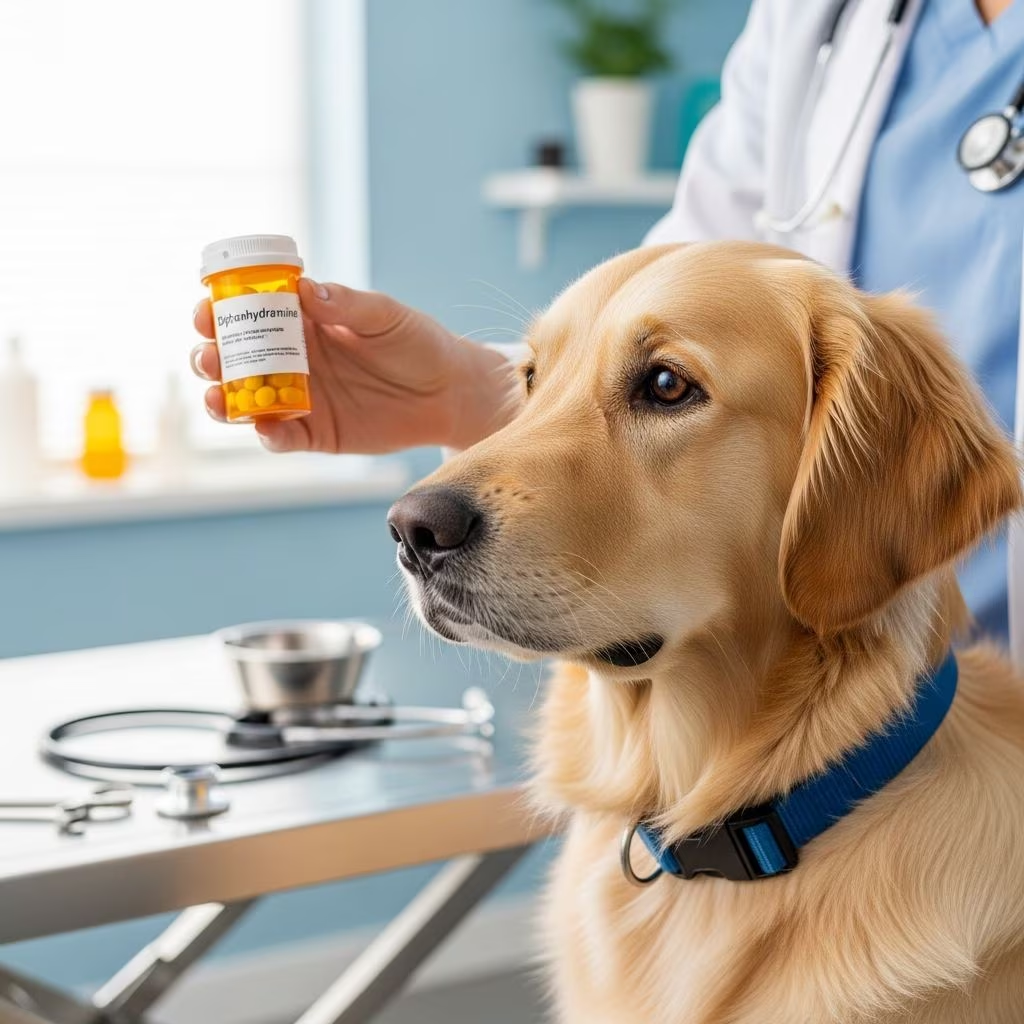
Dogs can safely take certain antihistamines under veterinary guidance, primarily for mild allergic reactions such as insect bites or hives, though they are often ineffective for common skin allergies like atopic dermatitis.
What Are Antihistamines?
Antihistamines are medications that block histamine, a chemical released during allergic reactions that causes itching, swelling, and inflammation. In humans, they effectively treat respiratory allergies, but in dogs, their efficacy for skin conditions is limited due to differences in how canines process histamine.
Common types include first-generation options like diphenhydramine (Benadryl), which cause more sedation, and second-generation ones like cetirizine (Zyrtec) or loratadine (Claritin), which are less drowsy. These are over-the-counter (OTC) drugs, but pet-specific formulations ensure safety.
Are Antihistamines Safe for Dogs?
Yes, antihistamines are generally safe for dogs when given at appropriate therapeutic doses prescribed by a veterinarian. Overdoses can lead to serious issues like agitation, increased heart rate, tremors, or elevated blood pressure.
They can be combined with other allergy treatments like Apoquel or corticosteroids without known interactions, but always confirm with a vet. Avoid products containing decongestants like pseudoephedrine, which are toxic to dogs.
Side Effects of Antihistamines in Dogs
While safe, antihistamines may cause:
- Sedation or drowsiness: Common with first-generation types like Benadryl, making dogs sleepy or lethargic.
- Hyperactivity: Paradoxically, some dogs become agitated or restless.
- Gastrointestinal upset: Vomiting, diarrhea, loss of appetite, or dry mouth leading to increased thirst.
- Rare serious effects: Tremors, rapid heart rate, or allergic reactions to the drug itself.
Sedation is less common with newer antihistamines like Zyrtec. Monitor your dog closely during the first few doses.
Effectiveness of Antihistamines for Dog Allergies
Antihistamines often fail to control itch in dogs with skin allergies. Studies show they have little effect on canine atopic dermatitis, unlike in humans where they relieve respiratory symptoms.
A placebo-controlled trial found cetirizine (3 mg/kg daily) had no significant impact on pruritus after 14 days in dogs with chronic atopic dermatitis. The International Committee on Allergic Diseases of Animals (ICADA) classifies them as having “little or no benefit” for acute flares.
They may help 10-30% of dogs with mild allergies, but for most, they don’t address underlying causes, risking secondary infections.
Common Antihistamines for Dogs: Dosages and Usage
Always consult a vet for exact dosing based on your dog’s weight, health, and symptoms. General guidelines (not substitutes for vet advice):
| Antihistamine | Typical Dosage | Notes |
|---|---|---|
| Diphenhydramine (Benadryl) | 1-2 mg/kg every 8-12 hours | Plain formula only; sedating. |
| Cetirizine (Zyrtec) | 0.5-1 mg/kg once daily | Less sedating; trial for 2-3 weeks. |
| Loratadine (Claritin) | 0.2 mg/kg once daily | Minimal side effects. |
| Chlorpheniramine | 0.2 mg/kg every 12 hours | For mild itching. |
| Hydroxyzine | 1-2 mg/kg every 12 hours | Prescription; effective against histamine skin tests. |
Give for a 2-3 week trial to assess efficacy. Use plain versions without added ingredients like xylitol or acetaminophen, which are toxic.
When to Use Antihistamines for Dogs
Best for acute reactions like bee stings, vaccine reactions, or mild seasonal allergies. Not ideal for chronic skin issues where alternatives outperform them.
Avoid in dogs with glaucoma, high blood pressure, heart disease, pregnancy, or nursing, as risks increase. Long-term use is safe under vet monitoring but may lead to tolerance.
Alternatives to Antihistamines for Dog Allergies
Since antihistamines underperform, consider:
- Apoquel or Cytopoint: Fast itch relief targeting specific pathways.
- Corticosteroids: Short-term for severe flares.
- Shampoos and topicals: Soothe skin without systemic effects.
- Immunotherapy: Long-term allergy desensitization.
- Diet trials: Rule out food allergies.
Vets recommend identifying allergens via testing for targeted treatment.
Frequently Asked Questions (FAQs)
Can I give my dog Benadryl for allergies?
Yes, Benadryl (diphenhydramine) is commonly used at 1-2 mg/kg every 8-12 hours for mild allergies or motion sickness, but confirm dosage with a vet and use plain formula.
Is Zyrtec safe for dogs?
Cetirizine (Zyrtec) is safe at 0.5-1 mg/kg daily, with less sedation, but studies show limited efficacy for chronic itch.
Why don’t antihistamines work for my dog’s itching?
Dogs’ skin allergies involve more than histamine; studies confirm poor response rates for atopic dermatitis.
How long do I trial antihistamines in dogs?
Give for 2-3 weeks; if no improvement, switch treatments per vet advice.
Can dogs overdose on antihistamines?
Yes, overdoses cause hyperactivity, tremors, or seizures; stick to vet doses.
Conclusion: Consult Your Vet Before Giving Antihistamines
While dogs can have antihistamines safely in moderation, their limited effectiveness for allergies means they’re not a first-line solution. Partner with your veterinarian for diagnosis, proper dosing, and superior alternatives to keep your dog comfortable and healthy.
References
- Why Antihistamines May Fail to Control Itch in Dogs — Zoetis Petcare. 2023. https://www.zoetispetcare.com/blog/article/why-antihistamines-fail-control-itch-dog
- Is It Safe to Give Your Pet an Antihistamine? — ASPCA. 2024. https://www.aspca.org/news/it-safe-give-your-pet-antihistamine
- Antihistamines For Dogs: When To Use Them, Dosage Schedules and More — Kingsdale Animal Hospital. 2025. https://www.kingsdale.com/antihistamines-for-dogs-when-to-use-them-dosage-schedules-and-more
- Antihistamines for Dog Allergies – Types, Symptoms & Treatments — Hardy Paw. 2024. https://hardypaw.com/blogs/news/antihistamines-for-dog-allergies
- Effects of cetirizine in dogs with chronic atopic dermatitis — National Institutes of Health (PMC). 2016-10-25. https://pmc.ncbi.nlm.nih.gov/articles/PMC5204033/
- Over-the-Counter (OTC) Medications That May Be Safe for Dogs — VCA Animal Hospitals. 2025. https://vcahospitals.com/know-your-pet/are-over-the-counter-medications-safe-for-my-dog



