

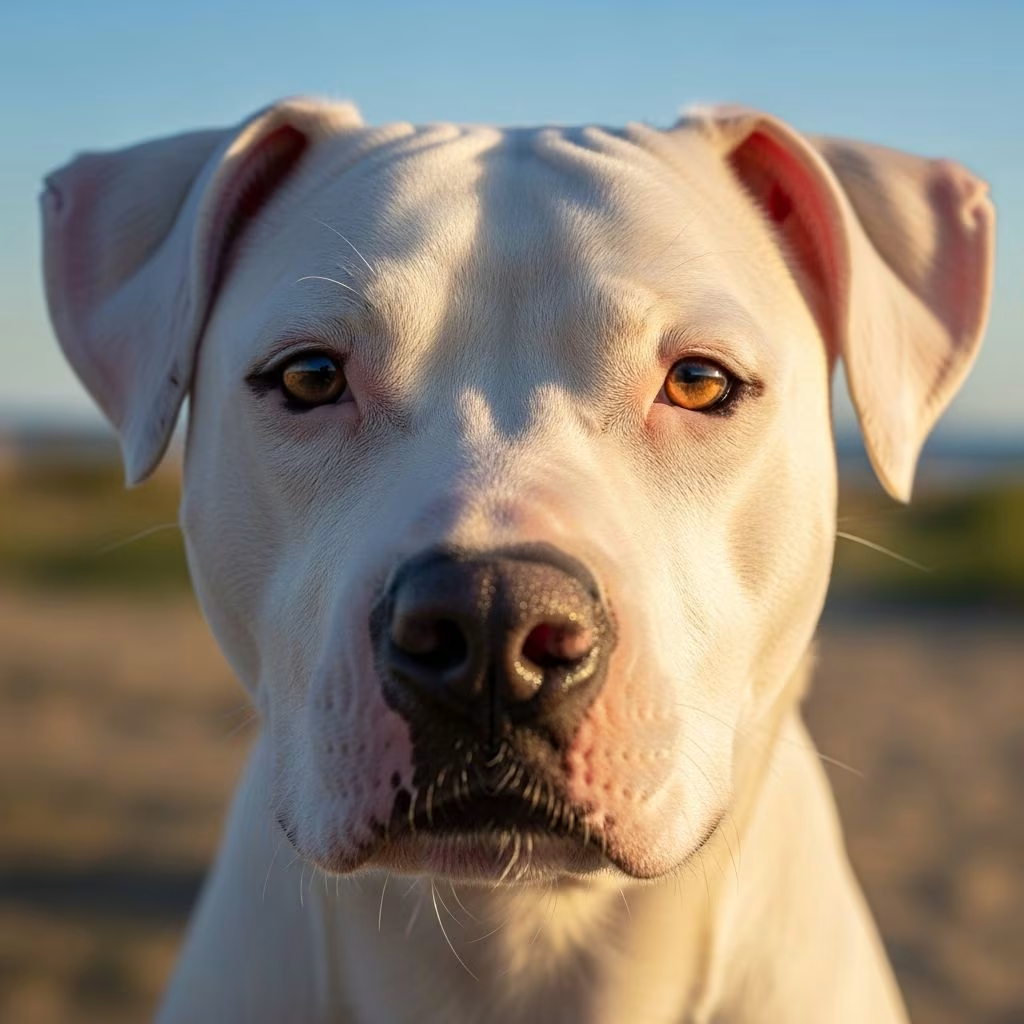
Can Dogs Get Sunburnt?
Yes, dogs can absolutely get sunburnt, just like humans can. Many pet owners assume that a dog’s fur coat provides sufficient protection against the sun’s harmful rays, but this is not always the case. Sunburn in dogs occurs when their skin is exposed to the sun’s ultraviolet (UV) rays for extended periods. UV rays can damage the skin cells, leading to redness, pain, and inflammation that can affect your beloved companion’s comfort and long-term health.
Understanding canine sunburn is essential for responsible pet ownership, especially during warmer months when outdoor activities become more frequent. While sunburn might seem like a minor inconvenience, it can have serious consequences for your dog’s health if left unaddressed.
Which Dogs Are Most at Risk?
Not all dogs are equally susceptible to sunburn. Certain characteristics make some canines more vulnerable to sun damage than others. Understanding your dog’s risk factors can help you take appropriate preventive measures.
Coat Colour and Fur Length: Dogs with short or thin fur, light-colored fur, or pale skin are significantly more susceptible to sunburn. Light-colored dogs, including those with white, cream, or ginger coats with fair skin underneath, are particularly vulnerable. Short-haired breeds such as Pit Bulls, Boxers, Dalmatians, and Greyhounds are at higher risk due to their minimal fur coverage.
Hairless and Sparse-Fur Breeds: Hairless breeds like the Chinese Crested or American Hairless Terrier have virtually no protective fur and require extra sun protection. Additionally, any dog with bald spots or areas of thin fur becomes susceptible to sunburn.
Outdoor Lifestyle: Dogs who spend a lot of time outdoors, even on overcast days, are more likely to experience sunburn than those who primarily stay indoors. This includes dogs who enjoy sunbathing or those with owners who frequently take them on outdoor adventures.
Vulnerable Areas on Your Dog’s Body
Even dogs with thick, protective coats can develop sunburn in specific areas where fur coverage is minimal. Certain areas of a dog’s body are particularly vulnerable due to less fur coverage and more direct exposure.
- The nose and muzzle area
- Ears and ear tips
- Belly and underside
- Groin area
- Any patches with sparse or thin fur
- Areas previously affected by hair loss or skin conditions
These vulnerable areas require special attention and should be prioritized when applying sunscreen or using protective clothing.
Signs and Symptoms of Sunburn in Dogs
Recognizing the signs of sunburn in your dog is crucial for prompt treatment and preventing complications. Sunburn symptoms can range from mild to severe, and understanding the progression helps you know when to seek veterinary care.
Mild Sunburn Signs
In the early stages, sunburn in dogs presents symptoms similar to human sunburn. Look for the following indicators:
- Redness or pink discoloration of the skin
- Skin becoming dry and flaky
- Mild tenderness or sensitivity when touched
- Slight swelling in affected areas
- Discomfort during normal activities
Moderate to Severe Sunburn Symptoms
More serious sunburn cases require immediate attention. The most common consequence of severe dog sunburn is immediate pain and discomfort. Symptoms include:
- Blistering and peeling skin
- Open wounds or weeping sores
- Significant swelling and inflammation
- Dark red or purple skin discoloration
- Pus-filled blisters
- Mild fever
- Lethargy or visible signs of pain
- Loss of appetite or reluctance to drink
- Signs of dehydration (dry gums, excessive panting)
Complications of Dog Sunburn
Beyond immediate pain and discomfort, sunburn can lead to serious health complications. When a dog’s skin barrier is damaged by sunburn, it becomes much easier for bacteria to make contact with the skin and enter any open wounds, cuts, or areas of compromised skin.
Infection Risk: Severe dog sunburns that form open wounds leave the dog not only in pain but also at increased risk for developing skin infections. These infections can escalate quickly and require antibiotics or additional veterinary intervention.
Long-term Skin Damage: Repeated or severe sun exposure increases the risk of skin cancer development in dogs, similar to humans. Cumulative UV damage over time can lead to malignant melanoma and other serious skin conditions.
Heat-Related Issues: Sun exposure doesn’t just cause sunburn—it can also lead to heat stroke in dogs. Precautions that reduce sunburn risk, such as shade access and adequate hydration, also help prevent this life-threatening condition.
How to Prevent Sunburn in Dogs
Prevention is the best sunburn treatment for dogs, and fortunately, it requires only a few simple adjustments to your routine. Implementing multiple protective strategies provides the most comprehensive defence against harmful UV rays.
Limit Sun Exposure During Peak Hours
Avoidance is the best way to prevent sunburn. Avoid extended outdoor activities from 10 a.m. to 4 p.m., the peak hours for sunlight when UV exposure is strongest. Instead, plan outdoor activities during early morning or late evening when the sun’s rays are less intense. These cooler times of day are not only safer but also more comfortable for your dog.
Provide Adequate Shade
One of the most effective ways to prevent sunburn in dogs is to limit their exposure to direct sunlight. Ensure your dog has access to shaded areas at all times, especially during peak sun hours. Use umbrellas, tents, or trees to provide much-needed shade during outdoor activities. A simple blanket draped over part of their outdoor space creates quick shade for dogs who spend time in yards or runs.
Use Dog-Safe Sunscreen
Dog sunscreen is one of the most recommended tactics for adequate sun protection. Products with an SPF of at least 30 that protect against both UVA and UVB rays are recommended by veterinarians to ensure effectiveness. However, not everything that’s safe for humans is safe for dogs, so it’s essential to check with your veterinarian for recommendations on dog-safe sunscreens.
When applying sunscreen:
- Apply two layers at least 15 minutes before your pet goes outside
- Focus on vulnerable areas: nose, ear tips, belly, and thin-fur patches
- Choose waterproof formulas for maximum protection
- Reapply as necessary throughout the day
- Discourage your dog from licking it off
- Never use human sunscreen unless your veterinarian approves it
Protective Clothing
Consider adding UV-blocking doggy shirts, bodysuits, hats, or goggles for summer activities. These items are especially useful for dogs that spend a lot of time outdoors. Lightweight, breathable sun-protective clothing keeps your dog comfortable while providing an additional layer of defence. Remember that sunscreen is still needed on vulnerable areas not covered by clothing.
Monitor Daily UV Index
If you live in a particularly hot area or somewhere with high sun exposure, checking the daily UV index is a great habit. This helps you assess what protection your dog might need for the day or determine if indoor activities are a better option. Here’s a breakdown of precautions based on UV index levels:
| UV Index Level | Risk Level | Recommended Precautions |
|---|---|---|
| 0-2 | Low risk | Minimal precautions needed |
| 3-5 | Moderate risk | Sun protection recommended for extended periods or near reflective surfaces |
| 6-7 | High risk | Reduce time in sun between 10 a.m. and 4 p.m. and seek shade |
| 8-10 | Very high risk | Take extra precautions and limit sun exposure |
| 11+ | Extreme risk | Avoid prolonged sun exposure and seek shade |
Maintain Proper Hydration
Keeping your dog hydrated is essential, as dehydration can exacerbate the effects of sun exposure. Ensure your dog has access to fresh, cool water at all times, especially during outdoor activities. Additionally, using cooling mats or vests can help regulate your dog’s body temperature during hot weather.
Monitor Outdoor Time
A common misconception about dogs is that they’ll come in from the sun on their own once they’re starting to overheat or if they’ve had enough sun exposure. This isn’t always the case. Many dogs—especially those that love to sunbathe or spend hours outside playing—may not realize they’re overheating or getting too much sun. It’s up to owners to monitor their dog’s time in the sun and ensure they take shade and water breaks as needed.
Treating Sunburn in Dogs
If your dog does develop sunburn, several at-home treatments can provide relief for mild cases:
- Use cool compresses on the affected area
- Try a gentle oatmeal bath to soothe irritated skin
- Apply pet-safe aloe vera (ensure it contains no added alcohol or fragrances)
- Provide pain relief and comfort through rest
- Ensure adequate hydration and cool environments
When to Seek Veterinary Care
Seek immediate veterinary care if your dog exhibits any of these signs:
- Skin turns dark red or purple
- Blisters form and ooze pus
- Your dog stops eating or drinking
- Signs of dehydration (lethargy, dry gums)
- Your dog is in severe pain or can’t move comfortably
- Fever develops
- Signs of infection appear
Regular Monitoring and Veterinary Check-ups
Regular veterinary check-ups are crucial for maintaining your dog’s health, especially if they spend a lot of time outdoors. During these visits, your veterinarian can check for signs of sun damage and recommend preventive measures. Additionally, monitor your dog for skin changes and skin masses, and have any changes evaluated by a veterinarian. In case skin cancer occurs, earlier diagnosis and treatment is best.
Frequently Asked Questions
Q: Can all dogs get sunburnt?
A: While all dogs can technically get sunburnt, some are more susceptible than others. Dogs with light-coloured fur, short coats, pale skin, or hairless breeds are at higher risk. However, even dark-coated dogs can develop sunburn in areas with sparse fur.
Q: Is dog sunscreen necessary?
A: Yes, dog sunscreen is recommended, especially for vulnerable areas like the nose, ears, and belly. Use pet-safe products with SPF 30 or higher that protect against both UVA and UVB rays. Always consult your veterinarian for product recommendations.
Q: What’s the best time to walk my dog in summer?
A: Early morning (before 10 a.m.) or late evening (after 4 p.m.) walks are safest during summer months. These times coincide with lower UV intensity and cooler temperatures, making outdoor activities more comfortable and safer for your dog.
Q: Can dogs get heat stroke from sun exposure?
A: Yes, excessive sun exposure can lead to heat stroke in dogs. Preventive measures like providing shade, ensuring hydration, and limiting outdoor time during peak sun hours help prevent both sunburn and heat stroke.
Q: How long does it take for a dog to get sunburnt?
A: The time varies depending on the dog’s breed, coat colour, skin sensitivity, and UV intensity. Dogs with fair skin and short coats can develop sunburn relatively quickly, sometimes within hours of sun exposure on intense days.
Q: Can I use human sunscreen on my dog?
A: No, you should not use human sunscreen on your dog unless specifically approved by your veterinarian. Human sunscreen may contain ingredients that are toxic to dogs if ingested through licking. Always use pet-safe alternatives.
Q: What should I do if my dog has severe sunburn?
A: Severe sunburn with blistering, oozing, dark red discolouration, or signs of infection requires immediate veterinary attention. Don’t delay seeking professional care as complications can develop quickly.
References
- Can Dogs Get Sunburn and What Are the Signs? — Bond Vet. 2025. https://bondvet.com/blog/can-dogs-get-sunburn-and-what-are-the-signs
- Can Dogs Get Sunburn? — Altadena Pet Hospital. 2025. https://myaltadenavet.com/blog/can-dogs-get-sunburn/
- Dog Sunburn Prevention: 5 Tips for the Best Sun Protection for Dogs — Richmond Animal Hospital. 2025. https://www.rvahpet.com/services/dogs/blog/dog-sunburn-prevention-5-tips-best-sun-protection-dogs
- Sunburn in Dogs: Prevention, Treatment, and Nose Care — 1st Pet Vet. 2025. https://1stpetvet.com/pet-health-information/sunburn-in-dogs-prevention-treatment-and-nose-care/
- Sunburn in Pets — PDSA. 2025. https://www.pdsa.org.uk/pet-help-and-advice/pet-health-hub/conditions/sunburn-in-pets
- Can Dogs Get Sunburnt? Dog Sunburn Signs, Symptoms, and When to See Your Veterinarian — Thornwood Veterinary Hospital. 2025. https://www.thornwoodvet.com/services/dogs/blog/can-dogs-get-sunburnt-dog-sunburn-signs-symptoms-and-when-see-your-veterinarian



