

Can Dogs Get Sunburns?
Yes, dogs can absolutely get sunburns, just like humans can. Many pet owners are surprised to learn that their furry companions are susceptible to the sun’s harmful ultraviolet (UV) rays. Sunburn in dogs is not merely a cosmetic concern—it can cause significant pain, lead to peeling skin, result in infections, and increase the risk of serious health complications including skin cancer. Understanding this risk and taking preventive measures is essential for keeping your dog safe during sunny weather.
Which Dogs Are Most at Risk?
While any dog can develop a sunburn, certain breeds and individual characteristics make some dogs more vulnerable than others. Recognizing risk factors helps you provide targeted protection for your specific pet.
Breed and Coat Characteristics
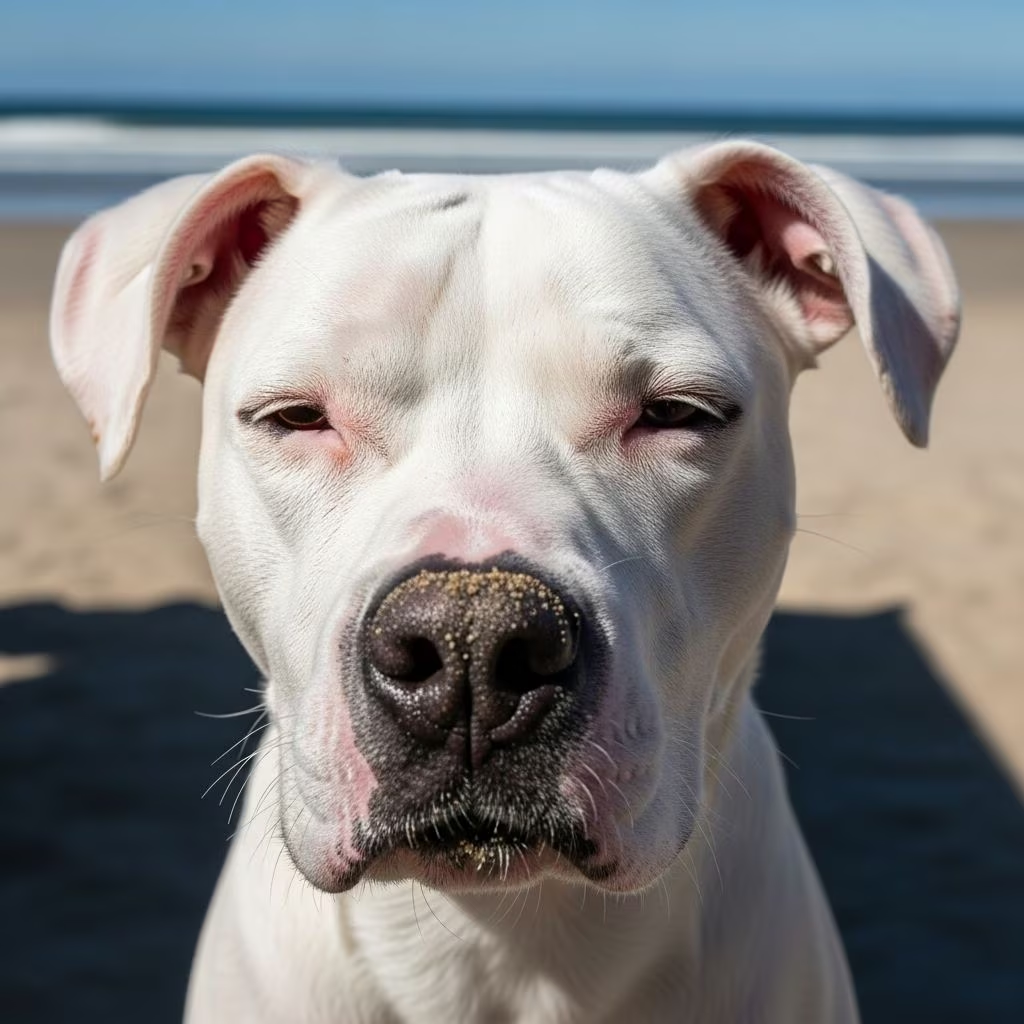
Dogs with lighter-colored fur, thin coats, or naturally sparse fur are at significantly higher risk for sunburn damage. Breeds with short hair, such as Pit Bulls, Boxers, and Greyhounds, offer less natural protection from UV rays. Additionally, dogs with white or light-colored coats are more susceptible because they lack the protective pigmentation found in darker fur. Dogs with patchy or thinning hair on areas like the belly, ears, or nose face increased vulnerability to sun damage.
Age and Health Status
Senior dogs and those with existing skin conditions may have more delicate skin and reduced resilience to UV damage. As dogs age, their skin becomes thinner and less able to withstand environmental stressors. Dogs with autoimmune diseases or kidney disease face additional complications, as sunburn can exacerbate these underlying conditions through dehydration and potential infections.
Lifestyle Factors
Dogs that spend extensive time outdoors, particularly during peak sun hours, face naturally elevated exposure risks. If your dog enjoys swimming, hiking, or lounging in the yard frequently, they require consistent sun protection strategies.
Vulnerable Areas of the Canine Body
Certain areas of your dog’s body require special attention due to thinner skin or less protective fur coverage. These regions are where sunburns most commonly develop and where damage can be most severe.
- Nose: The dog’s nose is constantly exposed and frequently overlooked for sun protection. Light-colored noses are particularly vulnerable.
- Ears: Ear flaps have fragile, thin skin with minimal fur coverage, making them susceptible to severe sunburn.
- Belly and Groin: These areas typically have thinner fur and more delicate skin than other body regions.
- Top of Head: The crown of the head receives direct sun exposure throughout the day.
- Paw Pads: While covered with tougher skin, paw pads can still experience sun damage.
- Any Areas with Sparse or Missing Fur: Surgical sites, areas affected by alopecia, or naturally thin-furred regions require protection.
Signs and Symptoms of Sunburn in Dogs
Early recognition of sunburn symptoms allows for prompt treatment and prevents complications. Watch your dog carefully during and after extended sun exposure for these warning signs.
Physical Indicators
The most obvious sign of sunburn is redness or inflammation of the affected skin area. You may notice your dog’s skin appearing darker than usual or turning pink or red. As sunburn progresses, the skin may begin to peel or flake. In more severe cases, blistering, swelling, or open sores may develop. The affected areas will likely feel warm to the touch and appear uncomfortable when your dog moves or when you gently touch the burned region.
Behavioral Signs
Dogs with sunburn often display behavioral changes indicating discomfort. Your dog may excessively lick or bite at the affected areas, attempt to avoid direct sunlight, or show reluctance to move normally. Some dogs become more irritable or restless due to pain and itching. If your dog suddenly seems uncomfortable outdoors or spends excessive time seeking shade, sunburn may be the cause.
Prevention Strategies: Protecting Your Dog from Sun Damage
Prevention is undoubtedly the best approach to protecting your dog from sunburn and its serious consequences. Implementing multiple preventive strategies provides comprehensive protection year-round.
Use Pet-Safe Sunscreen
Sunscreen is the most effective measure to protect your dog from harmful sun exposure. However, human sunscreens are not appropriate for dogs, as they often contain ingredients that can be toxic if ingested through licking. Always choose sunscreen specifically formulated for pets.
When selecting dog sunscreen, look for products with the following characteristics:
- SPF 30 or higher for adequate UV protection
- Protection against both UVA and UVB rays
- Pet-safe formulation without zinc oxide or other harmful ingredients
- Fragrance-free products to reduce skin irritation
- Waterproof formula, especially if your dog enjoys swimming
Apply sunscreen to vulnerable areas at least 15 minutes before outdoor activities, allowing it to set properly. Focus application on the nose, ear flaps, belly, groin, top of the head, neck, and back. Apply at least two layers for optimal protection, and reapply frequently, particularly after swimming or if your dog has been playing in water. Discourage your dog from licking freshly applied sunscreen by keeping them occupied until it dries.
Schedule Outdoor Activities Outside Peak Sun Hours
The sun’s rays are strongest between 10 a.m. and 4 p.m., making this the highest-risk period for sunburn. Plan walks, playtime, and outdoor activities before mid-morning or after late afternoon. Early morning and evening activities offer the dual benefit of protecting from sunburn while also reducing heat-related illness risks like heatstroke. This simple scheduling adjustment significantly reduces your dog’s UV exposure without eliminating outdoor time.
Provide Abundant Shade
Ensure your dog always has access to shaded areas when outdoors. Natural shade from trees and shrubs provides excellent protection. If your yard lacks natural shade, create it using umbrellas, canopies, tents, or shade cloths. For extended outdoor time, consider a cooling doghouse or elevated bed positioned in shaded areas. Even during backyard playtime, having multiple shaded retreats allows your dog to escape direct sunlight as needed.
Use Protective Clothing
Specially designed UV-blocking dog shirts, bodysuits, hats, and even goggles provide physical barriers against harmful rays. These items are particularly beneficial for dogs that tolerate clothing well or for those spending extended time outdoors. Lightweight, breathable fabrics work best for warm weather to prevent overheating while still providing protection. Keep in mind that clothing protects only covered areas, so sunscreen on exposed regions remains necessary.
Address Reflective Surfaces
Pavement, sand, and water reflect sunlight, intensifying UV exposure for your dog. When spending time at the beach or on hot pavement, place a protective rug, artificial grass, or cooling mat under your dog. Elevated beds with shade covers provide protection while allowing airflow and cooling. These barriers reduce reflected UV exposure from below while keeping your dog comfortable.
Maintain Proper Hydration
Keeping your dog well-hydrated is essential for sun safety. Dehydration can exacerbate the effects of sun exposure and increase the risk of heat-related illness. Ensure fresh, cool water is always available, and encourage your dog to drink regularly during outdoor activities. Consider bringing a portable water bowl for extended outings.
Treatment Options for Sun-Damaged Skin
If your dog develops sunburn despite preventive efforts, prompt treatment alleviates discomfort and prevents complications.
Home Care Measures
For mild sunburns, several at-home treatments can provide relief and promote healing:
- Cool Compresses: Apply cool (not cold) compresses to affected areas to reduce inflammation and soothe pain.
- Oatmeal Baths: Gentle oatmeal baths can soothe irritated skin and reduce itching.
- Pet-Safe Aloe Vera: Apply aloe vera products specifically formulated for pets, ensuring they contain no added alcohol or fragrances.
- Rest and Shade: Keep your dog completely out of direct sunlight until the skin fully heals.
Professional Veterinary Treatment
For moderate to severe sunburn, contact your veterinarian for professional evaluation and treatment. Depending on burn severity, your vet may prescribe:
- Pain relief medications to manage discomfort
- Antibiotics if infection develops
- Topical creams or ointments for healing
- Cold laser therapy for advanced cases
Special Care for Sensitive Areas
The nose requires particular attention due to its constant exposure and frequent oversight in sun protection routines. To protect this vulnerable area effectively:
- Apply pet-safe nose balm with SPF protection daily
- Reapply after swimming, walks, or exposure to water
- Watch for dryness, cracks, or color changes and report them to your vet
- Keep your dog hydrated to support natural skin recovery
Long-Term Health Implications
Beyond immediate sunburn pain, chronic sun exposure poses serious long-term health risks. UV exposure increases your dog’s likelihood of developing skin cancer, including squamous cell carcinoma and hemangiosarcoma. Dogs with underlying autoimmune or kidney disease face additional risk, as sunburn-related dehydration and infections can exacerbate these conditions. Regular veterinary check-ups allow early detection of sun damage and skin changes, enabling prompt treatment when cancer development occurs. Consistent sun protection throughout your dog’s life significantly reduces these serious health risks.
Seasonal Sun Safety Considerations
While summer presents the most obvious sun danger, UV protection remains important year-round. Snow, water, and reflective surfaces intensify UV exposure during winter months. Dogs spending time at high altitudes or in geographic regions with strong sun year-round require consistent protection. Conversely, cloudy days still pose risk, as UV rays penetrate cloud cover. Maintain sun protection habits consistently throughout the year rather than limiting precautions to summer months alone.
Frequently Asked Questions (FAQs)
Q: Can all dogs get sunburns?
A: Yes, all dogs can potentially get sunburns, though some are at higher risk. Dogs with light-colored coats, thin fur, or outdoor lifestyles are particularly vulnerable. Even dark-coated dogs need protection during extended sun exposure.
Q: Is human sunscreen safe for dogs?
A: No, human sunscreen is not safe for dogs. Many formulations contain zinc oxide, which causes life-threatening anemia if ingested through licking. Always use pet-safe sunscreen formulations specifically designed for canine use.
Q: How often should I reapply dog sunscreen?
A: Reapply sunscreen frequently throughout the day, especially after swimming, playing in water, or after your dog has been sweating. At minimum, reapply every two hours during extended outdoor time.
Q: What SPF level is best for dogs?
A: Choose sunscreen with SPF 30 or higher that protects against both UVA and UVB rays. Higher SPF ratings provide better protection, particularly for light-colored or at-risk dogs.
Q: Can my dog wear sunscreen under protective clothing?
A: Yes, apply sunscreen to any exposed areas not covered by protective clothing. Even with UV-blocking shirts, uncovered regions like the nose, ears, and paws still require sunscreen protection.
Q: When should I contact my veterinarian about sunburn?
A: Contact your vet if your dog develops severe redness, blistering, open sores, or if symptoms worsen over time. Any signs of infection or if your dog seems in significant pain warrant professional evaluation.
Q: Does my dog need sun protection on cloudy days?
A: Yes, UV rays penetrate cloud cover, so protection remains important even on cloudy days. Maintain consistent sun safety habits regardless of weather conditions.
References
- Can Dogs Get a Sunburn? — PetMD. Accessed January 2026. https://www.petmd.com/dog/general-health/can-dogs-get-a-sunburn
- Sunburn in Dogs: Prevention, Treatment, and Nose Care — 1st Pet Vet. Accessed January 2026. https://1stpetvet.com/pet-health-information/sunburn-in-dogs-prevention-treatment-and-nose-care/
- Can Dogs Get Sunburn? — Altadena Pet Hospital. Accessed January 2026. https://myaltadenavet.com/blog/can-dogs-get-sunburn/
- Sunburn in Pets — PDSA. Accessed January 2026. https://www.pdsa.org.uk/pet-help-and-advice/pet-health-hub/conditions/sunburn-in-pets
- Can Dogs Get Sunburn and What Are the Signs? — Bond Vet. Accessed January 2026. https://bondvet.com/blog/can-dogs-get-sunburn-and-what-are-the-signs
- Can Dogs Get Sunburnt? Dog Sunburn Signs, Symptoms, and Treatment — City by the Sea Vet. Accessed January 2026. https://www.citybytheseavet.com/services/dogs/blog/can-dogs-get-sunburnt-dog-sunburn-signs-symptoms-and-when-see-your-veterinarian



