

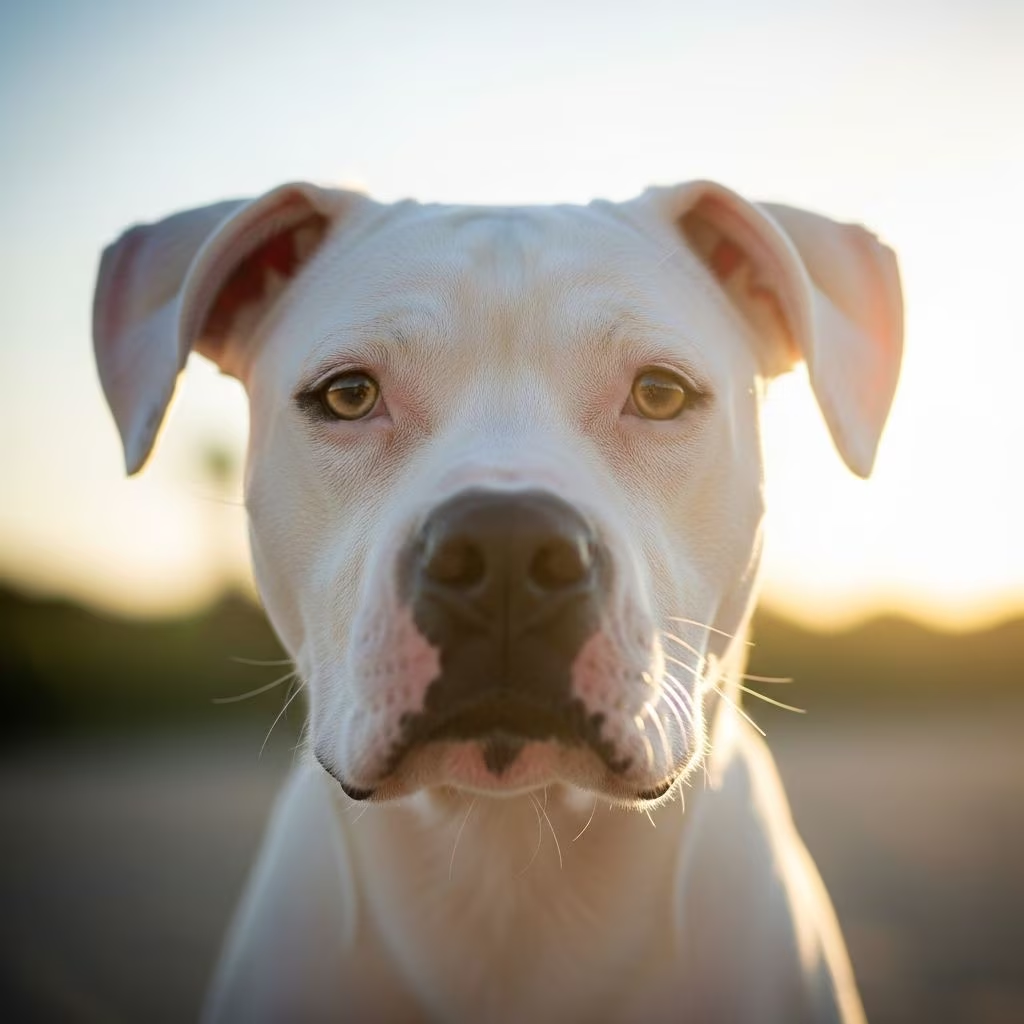
Can Dogs Get Sunburn?
Many dog owners assume that their pet’s fur coat provides complete protection from the sun’s harmful rays. However, the reality is quite different. Yes, dogs can absolutely get sunburn, despite being covered in fur. While a dog’s fur does offer some level of protection against ultraviolet (UV) radiation, it is not sufficient to block all harmful UV rays from reaching the skin beneath. Dogs are particularly vulnerable to sun damage during peak UV hours, typically between 10 a.m. and 4 p.m., and when they spend extended periods outdoors without access to shade or protective equipment. Understanding this risk is the first step in protecting your canine companion from painful and potentially serious sun-related skin damage.
Understanding Sunburn in Dogs
Sunburn occurs when UV radiation damages the skin cells, causing inflammation and cellular injury. In dogs, this condition manifests similarly to sunburn in humans, though the presentation may vary depending on the dog’s coat color, thickness, and the affected area. Dogs with lighter-colored fur, thin coats, or sparse hair patterns are at higher risk of developing sunburn. Additionally, certain breeds with naturally thin fur or those that have been shaved are more susceptible to sun damage.
The consequences of sunburn in dogs extend beyond immediate discomfort. When a dog’s skin barrier is compromised by UV damage, it becomes significantly easier for bacteria to penetrate the skin and establish infections in any open wounds or damaged areas. This secondary infection risk makes sun protection not merely a comfort issue but a genuine health concern.
Recognizing Signs and Symptoms of Sunburn
Pet owners should remain vigilant for visible signs that indicate their dog may have experienced sun damage. Early recognition allows for prompt treatment and prevents complications.
Visual Indicators of Sunburn
The most common signs of sunburn in dogs include:
– Red or pink-tinged skin, particularly noticeable on the nose, ears, and belly- Sore or tender skin that causes discomfort when touched- Hair loss or thinning in affected areas- Dry, cracked skin with a weathered appearance- Curled or crispy ear tips- Blistering and swelling in severe cases- Open wounds or peeling skin
Behavioral Signs
Beyond visible skin changes, watch for behavioral cues that suggest your dog is experiencing sun-related discomfort. These include frequent scratching accompanied by whimpering, reluctance to be touched in sensitive areas, and visible signs of pain when moving or lying down. In more severe cases, dogs may develop a mild fever as their body responds to the skin damage.
Why Dogs Are Vulnerable to Sunburn
Several factors contribute to a dog’s susceptibility to sunburn. First, many dogs lack pigmentation in their skin, particularly on the nose, ears, belly, and other areas with sparse or thin fur. These areas have minimal melanin, the pigment that provides natural UV protection. Second, some dogs, particularly those with light-colored coats or short fur, receive less protective coverage from their coat. Third, certain breeds, such as those with naturally thin or wiry coats, and senior dogs with thinning fur, face elevated risk. Finally, dogs that spend considerable time outdoors—especially those that love to sunbathe—may receive excessive UV exposure without their owners realizing the danger.
Prevention Tips for Sunburn in Dogs
Limiting Sun Exposure During Peak Hours
The most effective strategy for preventing sunburn is to minimize your dog’s exposure to direct sunlight, particularly during peak UV hours. UV radiation is strongest between 10 a.m. and 4 p.m., so plan outdoor activities during the early morning or late evening when the sun’s rays are less intense. These cooler times of day are not only safer but also more comfortable for your dog. If outdoor activities must occur during midday, ensure your dog has continuous access to adequate shade.
Providing Shade and Shelter
When your dog is spending time outdoors, shade is essential. Natural shade from trees and shrubs works excellently, but you can also provide shade using umbrellas, tents, or canopies. At the beach or park, bring portable shade solutions. In your backyard, ensure there are shaded areas available at all times. For dogs that spend extended periods outside, consider installing permanent shade structures such as pergolas or shade cloths over outdoor kennels. Additionally, keep your dog indoors during excessive heat alerts or prolonged sunny periods to minimize cumulative sun exposure.
Using Pet-Safe Sunscreen
Dog-specific sunscreen is an essential tool in your sun protection arsenal. Never use human sunscreen on your dog, as many human formulas contain ingredients that are toxic to pets if ingested, such as zinc oxide or oxybenzone. Instead, select a pet-safe sunscreen with an SPF of at least 30 that provides protection against both UVA and UVB rays. Apply sunscreen to vulnerable areas including the nose, ears, belly, groin area, and any other spots with sparse fur. Apply two layers at least 15 minutes before outdoor exposure, discourage your dog from licking it off, and reapply after swimming or as directed on the product label. When in doubt, consult your veterinarian for specific sunscreen recommendations suitable for your dog’s skin type.
Protective Clothing and Accessories
Specially designed UV-protective dog clothing offers an excellent defense against sun damage. Options include sun-protective rashies, sunsuits, and lightweight, breathable doggy shirts that shield your pet from harmful UV rays. These garments are particularly valuable for dogs with thin or light-colored fur. Additionally, dog sun hats and UV-blocking goggles are available, though not all dogs readily accept wearing these accessories. Start early with positive reinforcement to help your dog become accustomed to protective clothing.
Maintaining Proper Hydration
Adequate hydration is critical for protecting your dog from sun-related illness and exacerbating sunburn effects. Always provide access to fresh, cool water, especially during outdoor activities. Dehydration compounds the stress on your dog’s body and can worsen symptoms of sun exposure. Consider bringing portable water bowls on outdoor adventures and offering water breaks regularly. Additionally, cooling mats or cooling vests can help regulate your dog’s body temperature during hot, sunny days.
Monitoring UV Index and Environmental Factors
In areas with particularly intense sun exposure or hot climates, develop a habit of checking the daily UV index. This information helps you assess what protective measures your dog needs and determine whether indoor activities might be preferable on especially dangerous days. Understanding your local UV patterns allows you to make informed decisions about outdoor activity timing and intensity.
Making Outdoor Activities Safe for Your Dog
Strategic Timing of Activities
Plan your dog’s daily walks and outdoor play sessions during cooler, less sunny times. Early morning and late evening walks not only reduce sunburn risk but also prevent paw pad burns on hot pavement and reduce heat stroke risk. This strategic timing allows your dog to exercise and enjoy outdoor time while minimizing UV exposure.
Monitoring Your Dog’s Behavior
A common misconception is that dogs will naturally seek shade or come inside when they’ve had enough sun exposure. This is frequently not the case. Dogs that love sunbathing or are engaged in play may not recognize when they’re overheating or receiving excessive UV exposure. As a responsible owner, you must actively monitor your dog’s time in the sun and enforce shade and water breaks as needed, even if your dog seems reluctant to stop playing.
Regular Veterinary Check-Ups
Regular veterinary check-ups are crucial for maintaining your dog’s overall health, particularly if they spend significant time outdoors. During these visits, your veterinarian can examine your dog for signs of sun damage and recommend appropriate preventive measures based on your dog’s individual risk factors. If your dog shows any signs of sunburn or skin changes, have a veterinarian evaluate them promptly. Early diagnosis and treatment of skin issues, including potential skin cancer, significantly improve outcomes.
Understanding Sunburn Severity and Complications
Sunburn severity varies depending on exposure duration and intensity. Mild sunburn causes pain, discomfort, and visible redness. Moderate sunburn includes blistering, swelling, tenderness, irritation, and peeling similar to human sunburns. Severe sunburn can result in significant blistering and open wounds, leaving your dog not only in pain but also at increased risk for bacterial infection. The damaged skin barrier becomes a gateway for pathogens, making infection prevention critical.
Beyond immediate sunburn, chronic sun exposure increases the risk of skin cancer in dogs, making long-term prevention essential. Certain areas, particularly the nose and ear tips, are especially prone to solar-related cancers when repeatedly exposed to UV radiation.
Special Considerations for Different Dog Types
| Dog Type | Risk Level | Key Prevention Strategy |
|---|---|---|
| Light-colored or white-furred dogs | High | UV-protective clothing, frequent sunscreen application |
| Dogs with thin or short coats | High | Shade provision, protective wear, limited peak-hour exposure |
| Dogs with sparse facial fur | High | Facial sunscreen, nose and ear protection |
| Recently shaved or groomed dogs | Very High | Immediate protective clothing, shade, frequent monitoring |
| Senior dogs with thinning fur | High | Comprehensive protection with clothing and sunscreen |
| Dogs with dark coats | Lower (but still at risk) | Standard prevention for vulnerable areas |
Frequently Asked Questions
Q: Do all dogs get sunburned equally?
A: No. Dogs with light-colored fur, thin coats, and those with sparse facial hair are at significantly higher risk. Dogs with darker coats have more protective pigmentation, but they can still develop sunburn on less-covered areas like the nose, ears, and belly.
Q: Is dog sunscreen really necessary?
A: Yes, veterinarians recommend pet-safe sunscreen as one of the most effective protection tactics. Sunscreen should always be pet-safe formulas with at least SPF 30, never human sunscreen.
Q: How often should I reapply dog sunscreen?
A: Reapply sunscreen according to product instructions, typically every 2-4 hours, or immediately after swimming or vigorous play. Apply two layers at least 15 minutes before sun exposure.
Q: What should I do if my dog gets sunburned?
A: Keep your dog cool and hydrated, avoid further sun exposure, and consult your veterinarian if the sunburn is severe or shows signs of infection. Your vet may recommend soothing treatments and pain management.
Q: Can puppies get sunburned?
A: Yes, puppies can get sunburned and should receive the same sun protection as adult dogs. Young puppies may be more sensitive to sun exposure, so extra precautions are warranted.
Q: Are indoor dogs at risk of sunburn?
A: Generally, indoor dogs have lower sunburn risk, but they can still develop sun damage through windows if they spend extended time in sunny windowsill spots. UV rays can penetrate glass.
References
- Can Dogs Get Sunburn? — Altadena Pet Hospital. 2024. https://myaltadenavet.com/blog/can-dogs-get-sunburn/
- Dog Sunburn Prevention: 5 Tips for the Best Sun Protection for Dogs — Crown Urgent Vet. 2024. https://www.crownurgentvet.com/services/dogs/blog/dog-sunburn-prevention-5-tips-best-sun-protection-dogs
- Can Dogs Get Sunburn and What Are the Signs? — Bond Vet. 2024. https://bondvet.com/blog/can-dogs-get-sunburn-and-what-are-the-signs
- Can dogs get sunburned? — Best for Pet. 2024. https://bestforpet.co.nz/pet-advice/can-dogs-get-sunburned/
- Sunburn in Dogs: Prevention, Treatment, and Nose Care — 1st Pet Vet. 2024. https://1stpetvet.com/sunburn-in-dogs-prevention-treatment-and-nose-care/
- Sunburn in pets — PDSA. 2024. https://www.pdsa.org.uk/pet-help-and-advice/pet-health-hub/conditions/sunburn-in-pets
- Can Dogs Get Sunburnt? Dog Sunburn Signs, Symptoms, and When to See Your Veterinarian — Thornwood Vet. 2024. https://www.thornwoodvet.com/services/dogs/blog/can-dogs-get-sunburnt-dog-sunburn-signs-symptoms-and-when-see-your-veterinarian



