

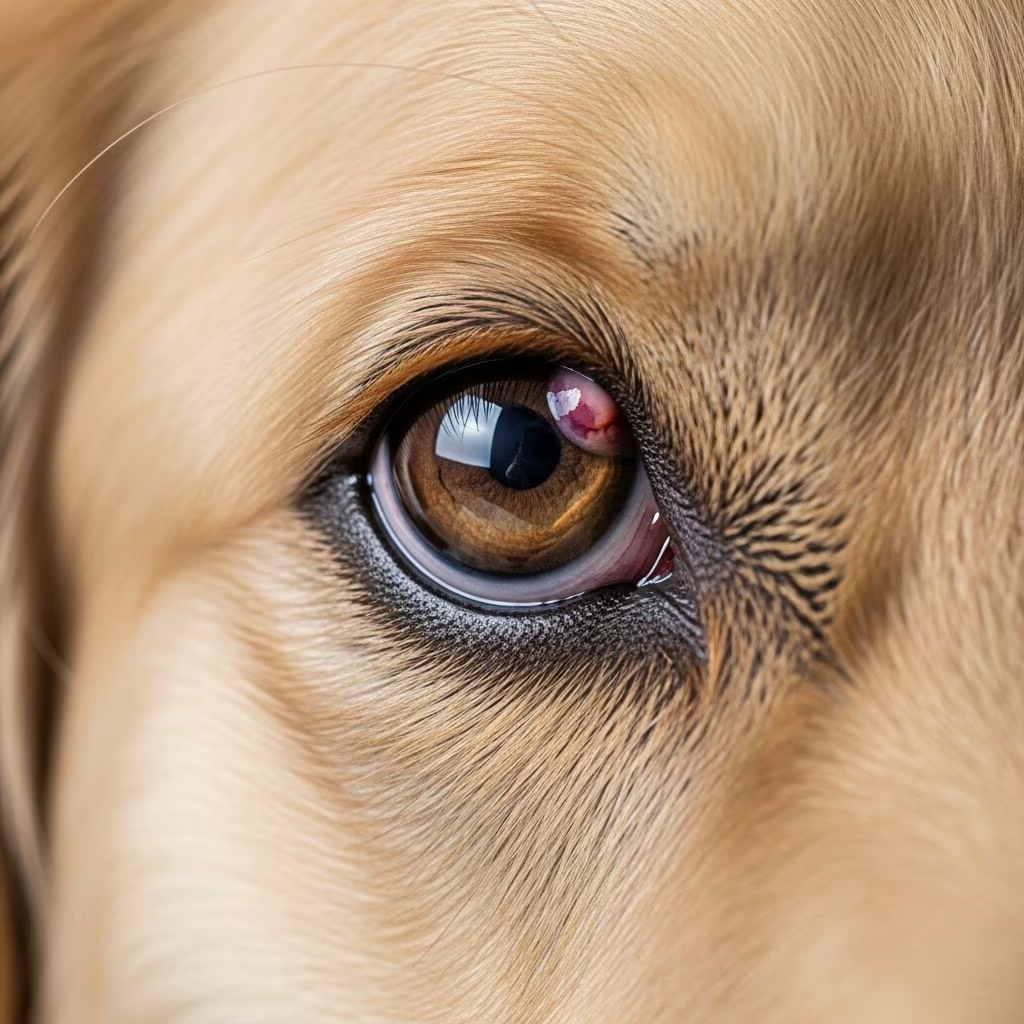
Dogs can indeed develop styes, which are painful, inflamed bumps on the eyelids caused by blocked oil glands or bacterial infections. These conditions, similar to human styes, affect the meibomian glands at the base of the eyelashes and require prompt attention to prevent discomfort or complications.
Understanding Eyelid Styes in Canines
A stye, medically known as a hordeolum, forms when the tiny oil-producing glands along a dog’s eyelid become obstructed or infected. These glands, called meibomian glands, secrete lubricating oils to keep the eye moist. Blockage traps oils, creating swelling, while bacteria like Staphylococcus aureus can trigger rapid infection, leading to redness and pus buildup.
Styes appear as small, red, tender lumps on the upper or lower eyelid margins. They differ from chalazia, which are chronic blockages without infection, but both cause similar visible bumps. Any breed or age can be affected, though dogs with protruding eyes like Pugs or Bulldogs face higher risks due to exposure.
Primary Causes Behind Canine Styes
Bacterial invasion is the leading trigger, with environmental Staphylococcus species entering glands via minor trauma or poor hygiene. Debris, dirt, or dead skin clogs follicles, while allergies, chemical irritants, or trapped eyelashes exacerbate vulnerability.
- Bacterial Infection: Most common, often from S. aureus thriving in warm, moist eyelid areas.
- Gland Blockage: Oils harden, preventing drainage and inviting secondary infections.
- Immune Factors: Weakened systems from illness, medications, or autoimmune conditions increase susceptibility.
- Trauma or Irritants: Scratches, shampoos, or foreign particles inflame eyelids.
- Breed Predisposition: Brachycephalic dogs with shallow eye sockets are prone.
Many cases lack a single identifiable cause, emphasizing the role of routine eye care in prevention.
Recognizing Symptoms of a Dog Stye
Early detection hinges on spotting subtle changes before severe pain sets in. Owners often notice a dog pawing at the eye, squinting, or avoiding bright light.
| Symptom | Description | Severity Indicator |
|---|---|---|
| Red Bump | Small, swollen lump on eyelid edge, possibly with white/yellow center | Mild to moderate |
| Pain/Tenderness | Dog flinches when touched; excessive blinking | Moderate |
| Swelling | Eyelid puffs up, narrowing eye opening | Moderate to severe |
| Discharge | Watery tears or pus-like secretion | Severe if green/yellow |
| Itching/Rubbing | Persistent scratching, leading to hair loss | Urgent |
Excessive tearing lubricates the irritated area, while systemic signs like fever signal deeper infection.
Safe Home Management Strategies
Many styes resolve with conservative care, focusing on cleanliness and gentle drainage promotion. Always consult a vet first to rule out mimics like tumors.
- Gentle Cleaning: Use a soft cloth or gauze soaked in saline or boiled-cooled water to wipe debris. Do this 2-3 times daily without rubbing harshly.
- Warm Compresses: Apply a clean, warm (not hot) cloth for 5-10 minutes, 3-4 times a day. Heat softens blockages, aiding natural drainage. Alternatives include microwaved rice socks or cooled teabags.
- Prevent Self-Trauma: Use an Elizabethan collar to stop pawing, reducing secondary infections.
- Cooling if Needed: For acute swelling, brief ice packs wrapped in cloth (15 minutes hourly) constrict vessels.
Avoid squeezing or popping the stye, as this spreads bacteria and risks corneal damage.
Professional Veterinary Interventions
If home efforts fail after 48 hours or symptoms worsen, veterinary care is essential. Vets perform ocular exams, possibly with fluorescein staining for ulcers or cultures for bacteria.
- Topical Treatments: Antibiotic-steroid ointments or drops target infection and inflammation directly.
- Oral Medications: Systemic antibiotics or anti-inflammatories for uncooperative dogs or widespread issues.
- Drainage: Professional lancing under sedation relieves pus buildup.
- Pain Relief: Analgesics ease discomfort during healing.
- Surgery: Rare, for recurrent or vision-impairing cases.
Most resolve in 1-2 weeks with treatment; persistent lumps may need biopsy to exclude neoplasms.
Differentiating Styes from Other Eye Issues
Not all eyelid bumps are styes. Accurate diagnosis prevents mismanagement.
| Condition | Key Features | Treatment Difference |
|---|---|---|
| Stye (Hordeolum) | Acute, painful, red with pus point | Compresses, antibiotics |
| Chalazion | Chronic, painless hard lump | Warm compresses; excision if persistent |
| Tumor | Growing, irregular; may ulcerate | Biopsy, surgery |
| Conjunctivitis | Diffuse redness, discharge | Anti-inflammatory drops |
| Corneal Ulcer | Blue haze on cornea, squinting | Protective collar, antibiotics |
Vets use exams and tests for confirmation.
Prevention Tips for Healthy Canine Eyes
Proactive measures minimize recurrence risks.
- Maintain facial hygiene, especially in wrinkly breeds.
- Trim hair around eyes to avoid irritation.
- Boost immunity via balanced nutrition rich in omega-3s.
- Treat allergies promptly to reduce eyelid rubbing.
- Schedule regular vet eye checks.
When to Rush to the Vet
Seek immediate care if the eye swells shut, discharge turns purulent, vision seems impaired, or the dog shows lethargy/fever. Delays risk abscesses or vision loss.
Frequently Asked Questions (FAQs)
Will a dog’s stye resolve without treatment?
Some mild cases self-resolve with home care, but vet guidance ensures safety.
Can I use human stye remedies on my dog?
No; products may irritate canine eyes. Vet-prescribed options only.
How long do dog styes last?
Typically 1-2 weeks with proper intervention.
Are styes contagious to other pets?
Bacteria can spread via contact; isolate and clean thoroughly.
Do certain breeds get styes more often?
Yes, brachycephalic types like Bulldogs due to anatomy.
References
- Understanding Dog Eye Stye: Signs and Treatment Choices — MyEsaDoctor. 2023. https://myesadoctor.com/dog-eye-stye/
- How do I Treat a Dog Stye? — Pettable. 2024. https://pettable.com/blog/how-do-i-treat-a-dog-stye
- Will my dog’s stye go away on its own? — Vetster. 2024. https://vetster.com/en/wellness/will-my-dog-s-stye-go-away-on-its-own
- Can Dogs Get Styes? — Petcube. 2023. https://petcube.com/blog/can-your-pup-get-a-stye/
- Dog Eye Stye: Causes, Symptoms and Treatment Option — Paw Origins. 2024. https://paworigins.com/blogs/vet-blogs/dog-eye-stye
- Eyelid Bumps and Lumps in Dogs: Causes, Treatment & When to… — Spot and Tango. 2024. https://www.spotandtango.com/blog/eyelid-bumps-and-lumps-in-dogs
- Can Dogs Get Eyelid Styes? — ElleVet Sciences. 2023. https://www.ellevetsciences.com/pet-care/can-dogs-get-eyelid-styes/



