

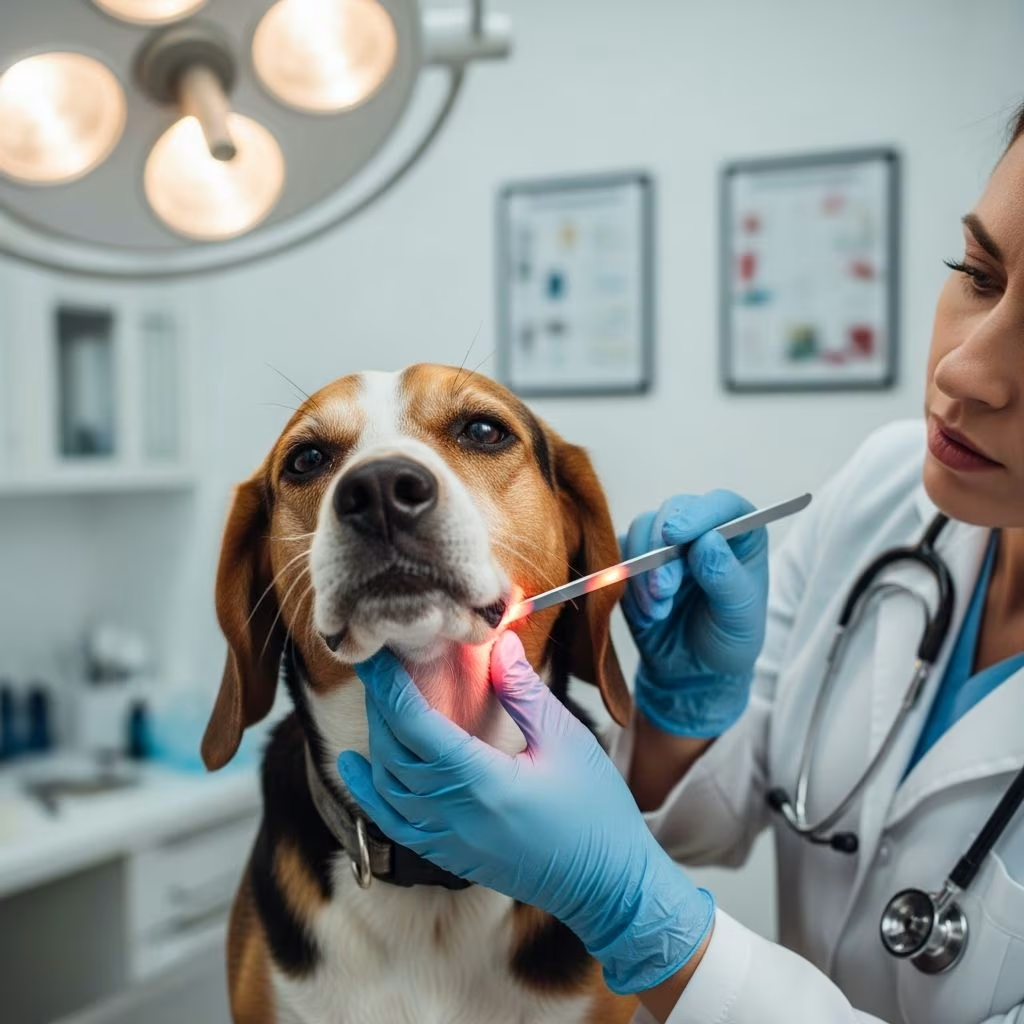
Dogs can indeed suffer from streptococcal infections in their throat area, though the bacteria responsible differ from those causing strep throat in humans. These infections, often linked to Streptococcus canis or Group G streptococci, lead to inflammation, discomfort, and potential complications if untreated. Understanding this condition helps pet owners recognize early signs and seek timely veterinary care.
Understanding Streptococcal Infections in Canines
Streptococcus bacteria are common in the environment and canine microbiome, but they become problematic when they overgrow in the throat or respiratory tract. Unlike human strep throat caused by Group A Streptococcus pyogenes, dogs typically encounter Group G or other canine-specific strains, reducing cross-species transmission risks. Factors like weakened immunity in puppies, seniors, or dogs with chronic illnesses increase vulnerability.
These bacteria thrive in moist areas like the mouth and throat, often entering via wounds, poor dental hygiene, or contact with infected animals in shared spaces such as kennels. While not as contagious as viral illnesses, outbreaks can occur in high-density dog populations.
Common Signs Your Dog Has a Throat Infection
Recognizing symptoms early is crucial for effective management. Dogs cannot verbalize pain, so observe behavioral and physical changes closely.
- Difficulty swallowing: Reluctance to eat or drink due to throat swelling and pain.
- Coughing or gagging: Irritation prompts frequent coughing, retching, or lip licking.
- Lethargy and low energy: The body diverts resources to fight infection, leaving dogs tired and uninterested in play.
- Fever: Elevated temperature signals immune response activation.
- Loss of appetite: Painful swallowing discourages eating, risking dehydration.
- Abscesses or swollen glands: Localized pus pockets or neck swelling may form.
These signs often mimic other respiratory issues, so veterinary diagnosis via throat swabs or cultures is essential to confirm streptococcus. Symptoms typically persist for about a week without intervention.
Risk Factors and How Infections Spread
Not all dogs exposed to streptococcus develop illness; predisposing factors play a key role. Puppies and elderly dogs face higher risks due to immature or declining immune systems. Underlying conditions like diabetes, heart disease, or immunosuppression exacerbate susceptibility.
Transmission occurs primarily dog-to-dog through saliva, shared bowls, or close contact in boarding facilities and dog parks. Human-to-dog spread of canine strep strains is negligible, and vice versa for human Group A strep. Poor oral health contributes significantly, as dental plaque harbors bacteria that migrate to the throat.
| Aspect | Humans | Dogs |
|---|---|---|
| Bacteria | Group A Streptococcus pyogenes | Group G Streptococcus or S. canis |
| Transmission | Person-to-person via droplets | Dog-to-dog via contact/saliva |
| Common Sites | Throat, skin | Throat, wounds, ears |
| Cross-Species Risk | Low | Low |
Veterinary Diagnosis Methods
Diagnosis begins with a physical exam, focusing on throat redness, tonsil swelling, and lymph nodes. Vets perform swab cultures to identify the streptococcus strain and test antibiotic sensitivity, ensuring targeted therapy. Bloodwork checks for systemic involvement, while imaging like X-rays rules out pneumonia. In wound-related cases, cytology examines pus for bacteria. Prompt testing prevents escalation to severe forms like abscesses or sepsis.
Effective Treatment Strategies
Treatment mirrors other bacterial infections, emphasizing antibiotics, supportive care, and addressing root causes. Most streptococcus strains respond well to medication when started early.
- Antibiotics: Chosen based on culture results, such as penicillin derivatives, clindamycin, or azithromycin. Complete the full course to prevent resistance.
- Hydration support: IV fluids for dehydrated dogs; offer warmed, low-sodium broths or wet food at home.
- Pain management: NSAIDs or opioids for throat discomfort, per vet guidance.
- Nutritional aid: Soft, palatable foods to maintain calorie intake.
- Surgical options: Drainage for abscesses or debridement of necrotic tissue.
Recovery varies: mild cases resolve in days, while severe infections may take weeks. Never administer human medications, as they can be toxic.
Home Care Tips During Recovery
Support vet-prescribed treatments with attentive home nursing. Ensure a quiet, warm rest area to minimize stress. Monitor intake/output to catch dehydration early—aim for moist diets and frequent small water offerings. Gently clean any external wounds with saline, avoiding licks via cones. Track symptoms daily; worsening fever or breathing issues warrant immediate vet return.
Prohibit play with other dogs until cleared, reducing spread risk. Dental brushing with pet-safe products prevents recurrence.
Prevention: Keeping Throat Infections at Bay
Proactive measures significantly lower incidence. Maintain rigorous dental hygiene through daily brushing and professional cleanings to curb oral bacteria. Keep core vaccines current, targeting respiratory pathogens that predispose to secondary strep.
- Limit exposure in crowded settings during outbreaks.
- Boost immunity with balanced nutrition, exercise, and parasite control.
- Regular vet check-ups detect vulnerabilities early.
Healthy dogs rarely succumb to environmental streptococcus, underscoring prevention’s power.
Potential Complications and When to Worry
Untreated infections can progress to tonsillitis, pneumonia, abscesses, or bloodstream invasion. Watch for rapid breathing, blue gums, or collapse—these signal emergencies. Puppies and seniors face graver risks, with recovery potentially spanning months. Early intervention yields excellent prognoses, often full resolution without sequelae.
Frequently Asked Questions (FAQs)
Can my dog catch strep throat from me?
No, the bacterial strains differ, and no evidence supports routine human-to-dog transmission.
How long does strep throat last in dogs?
Typically 5-7 days with treatment; monitor closely.
Is strep throat contagious between dogs?
Yes, via direct contact; isolate affected dogs.
Can I give my dog human antibiotics?
Absolutely not—dosages and ingredients differ, risking toxicity. Vet prescription only.
Does dental care prevent strep in dogs?
Yes, clean teeth reduce throat-invading bacteria.
References
- Streptococcus in Dogs: Vet-Approved Causes, Symptoms, Treatments – 2025 Guide — Ask A Vet. 2025. https://askavet.com/blogs/news/streptococcus-in-dogs-vet-approved-causes-symptoms-treatments-2025-guide-%F0%9F%90%B6%F0%9F%92%8A
- Can My Dog Get Strep Throat & Can They Give It To Me? — Rover.com. Accessed 2026. https://www.rover.com/blog/can-dogs-get-strep-throat/
- Can Dogs Get Strep Throat? — American Kennel Club. Accessed 2026. https://www.akc.org/expert-advice/health/can-dogs-get-strep-throat/
- Streptococcal Infections in Pets: From Sore Throats to Severe Disease — YouTube (Veterinary Video). Accessed 2026. https://www.youtube.com/watch?v=51V-7mhrFfo
- Bacterial Infection (Streptococcus) in Dogs — PetMD. Accessed 2026. https://www.petmd.com/dog/conditions/infectious-parasitic/bacterial-infection-streptococcus-dogs
- Can Dogs Get Strep Throat from a Human? — Whole Dog Journal. Accessed 2026. https://www.whole-dog-journal.com/health/can-dogs-get-strep-throat-from-a-human/
- Pets and Strep Throat — Worms & Germs Blog. 2008-05. https://www.wormsandgermsblog.com/2008/05/articles/diseases/other-diseases/pets-and-strep-throat/



