

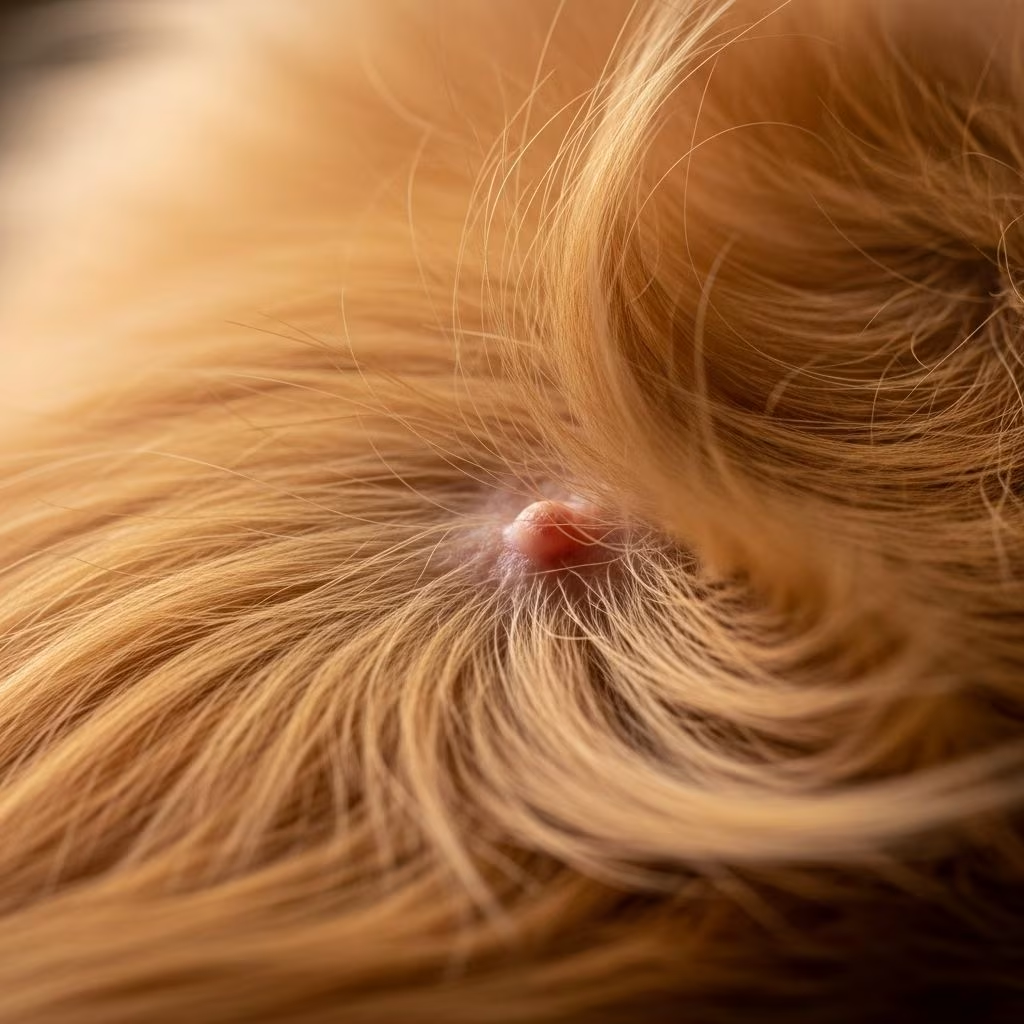
Skin tags are common, benign skin growths that many dogs develop, particularly as they age. These small, soft, fleshy protrusions are typically harmless and do not indicate serious illness, but they can sometimes cause discomfort or mimic other conditions. Understanding skin tags helps dog owners monitor their pet’s health effectively.
What Are Skin Tags in Dogs?
Skin tags, also known as acrochordons or fibroepithelial polyps, are non-cancerous growths of skin tissue that hang from a thin stalk or peduncle. In dogs, they appear as small flaps of skin, often flesh-colored or slightly darker, and can range from tiny (a few millimeters) to several centimeters long. They are most frequently found in areas prone to friction, such as the chest, armpits, neck, eyelids, groin, or between toes. Unlike warts or tumors, skin tags are soft, movable, and do not infiltrate deeper tissues.
These growths are especially prevalent in older dogs, large breeds like Labradors, Bulldogs, and Shar Peis, and those with loose skin. While primarily cosmetic, they can become irritated if caught on objects, leading to bleeding or infection. Regular grooming and observation are key to distinguishing them from concerning lumps.
Can Dogs Get Skin Tags? Yes—And Here’s Why
Dogs can and do develop skin tags frequently, with studies and veterinary observations noting their commonality in senior pets. The exact etiology remains somewhat unclear, but several factors contribute.
- Chronic Friction and Irritation: The leading cause, occurring where skin rubs against skin (folds), collars, harnesses, or hard surfaces like concrete floors. Heavy or short-haired breeds resting on chests or elbows are prone.
- Viral Infections: Papilloma virus, typically causing warts, occasionally leads to skin tag-like lesions in clusters.
- Allergies and Scratching: Flea, food, or environmental allergies prompt excessive licking or biting, irritating skin and promoting tags.
- Hormonal or Genetic Factors: Conditions like hypothyroidism or Cushing’s disease may alter skin elasticity. Certain breeds show predisposition, suggesting genetics.
- Age and Breed: Older dogs and large breeds have higher incidence due to skin laxity and lifestyle.
Environmental exposure, like sun damage, is theorized but less supported. Multiple tags often appear over time in affected dogs.
Symptoms and Identification of Skin Tags on Dogs
Identifying skin tags early prevents complications. Look for:
- Soft, pedunculated (stalked) growths, 2mm to 2cm+ in size.
- Flesh-toned, darker, or warty surface matching surrounding skin.
- Common sites: chest (weight-bearing), neck (collars), eyelids, groin, toes.
- No pain unless irritated; dog may ignore them.
Differentiate from ticks (engorged, attached), scabs (crusty, temporary), warts (rough, viral clusters), or tumors (firm, growing). A vet exam confirms via appearance, history, or biopsy.
When to Worry: Signs It’s Not Just a Skin Tag
Most skin tags are benign, but monitor for changes indicating infection, trauma, or malignancy. Seek vet care if:
- Rapid Growth or Color Change: Thickening, darkening, or asymmetry suggests possible cancer or irritation.
- Infection Signs: Redness, swelling, warmth, pus, foul odor, bleeding from licking/scratching.
- Discomfort: Excessive pawing, licking, head-shaking (eyelid tags), or limping (toe tags).
- Location Issues: Near eyes, mouth, genitals—prone to trauma.
- Multiple New Growths: Could signal systemic issues like allergies or hormones.
Vets may biopsy suspicious tags, analyzing cells to rule out lipomas, mast cell tumors, or histiocytomas.
Skin Tag Removal for Dogs: Is It Necessary?
Removal is elective unless problematic—no treatment needed for asymptomatic tags. Reasons for removal include irritation, infection risk, cosmetics, or diagnostic confirmation. Never attempt home removal; risks include bleeding, infection, or incomplete excision.
Professional Removal Methods:
| Method | Description | Anesthesia | Best For |
|---|---|---|---|
| Surgical Excision | Cut at stalk base; sutures if large. | Local or General | Large/irritated tags. |
| Cryotherapy | Freeze with liquid nitrogen; falls off in days. | Local/None | Small tags. |
| Electrocautery | Burn off with electric heat. | Local | Precise, minimal bleeding. |
| Laser | Vaporizes tissue cleanly. | Local | Sensitive areas. |
Post-removal: E-collar prevents licking; antibiotics for infection. Viral tags may resolve with antivirals. Cost varies ($50–$300+ per tag).
How to Prevent Skin Tags in Dogs
While not fully preventable, minimize risks:
- Clean skin folds daily with wipes during baths.
- Use padded bedding; avoid hard floors.
- Fit collars/harnesses properly; check for rubbing.
- Manage allergies: Flea preventives, hypoallergenic diets, antihistamines.
- Regular grooming/inspections for early detection.
- Weight control reduces fold friction.
Breeds like Pugs/Bulldogs benefit from vet-recommended skin care routines.
Frequently Asked Questions (FAQs)
Are skin tags on dogs cancerous?
No, they are benign, but changes warrant vet biopsy to confirm.
Do skin tags hurt dogs?
Usually not, unless irritated, infected, or in sensitive spots.
Can I remove a skin tag at home?
No—risks infection/bleeding. Always vet-supervised.
Why do older dogs get more skin tags?
Age-related skin laxity, cumulative friction, genetics.
How much does skin tag removal cost?
$50–$500 depending on method/size/location; consult vet.
Are certain breeds prone to skin tags?
Yes: large breeds (Labs), wrinkly (Shar Peis, Bulldogs).
Regular vet check-ups ensure skin health. Skin tags are normal but vigilance protects your dog.
References
- Skin Tags on Dogs: How to Identify & Treat Them — Purina. 2023. https://www.purina.com/articles/dog/health/skin-fur-ears/skin-tags-on-dogs
- Skin Tags on Dogs: Identification, Causes & Treatments — Modern Vet GA. 2024. https://modernvetga.com/skin-tags-on-dogs-identification-causes-treatments/
- Skin Tags on Dogs — PetMD. 2024. https://www.petmd.com/dog/conditions/skin/skin-tags-dogs
- Skin Tags in Dogs – Causes, Treatment — Vetster. 2024. https://vetster.com/en/conditions/dog/skin-tags
- Skin Tags on Dogs: Medically Reviewed Advice — MetLife Pet Insurance. 2023. https://www.metlifepetinsurance.com/blog/pet-health/skin-tags-on-dogs/



