

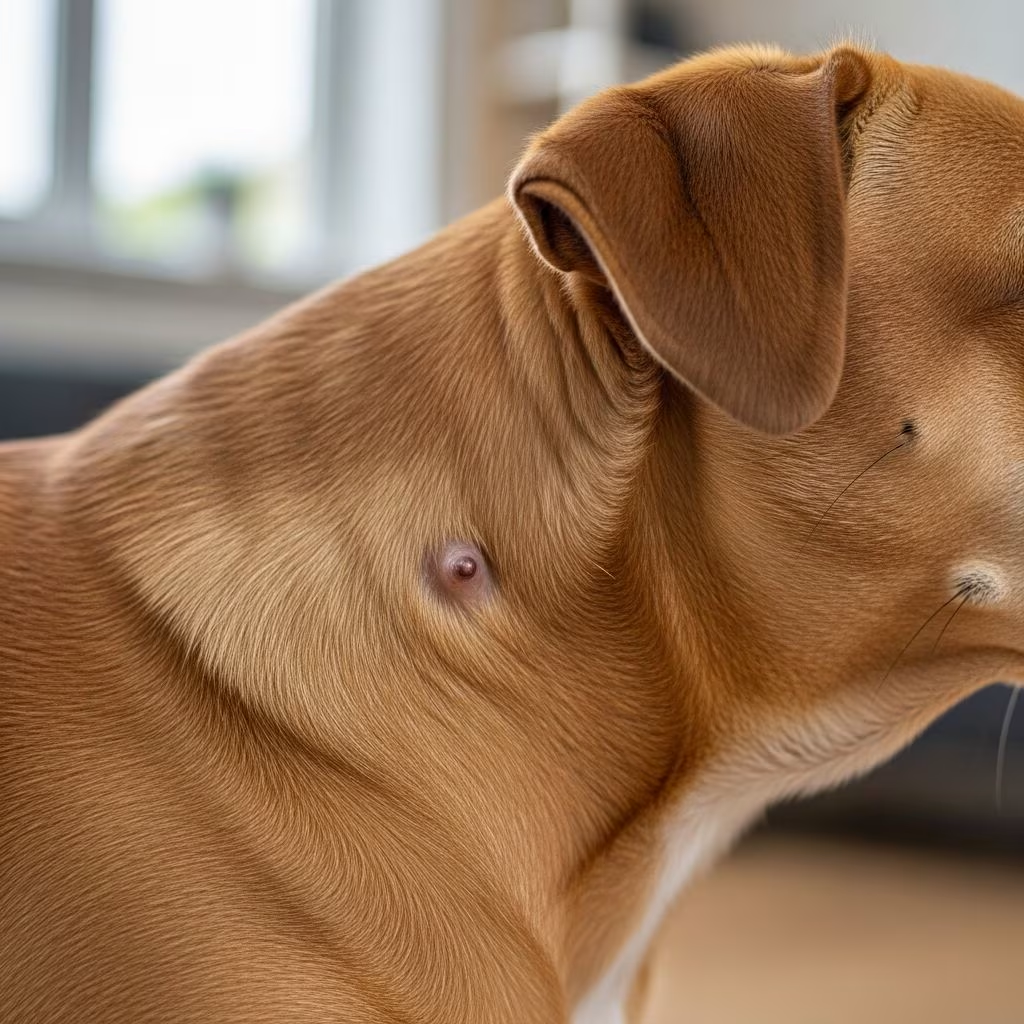
Can Dogs Get Skin Tags? Understanding This Common Skin Condition
Yes, dogs can develop skin tags, which are benign cutaneous growths that commonly appear on the skin surface of canines, particularly as they age. Skin tags are non-cancerous lumps that arise from a small spot on the surface of the skin and typically develop a stalk or stem-like appearance. While skin tags can vary in appearance and number, they are generally not a cause for serious concern in most cases. Understanding what skin tags are, why they develop, and how to manage them can help pet owners make informed decisions about their dog’s health and well-being.
What Are Dog Skin Tags?
Skin tags in dogs are benign skin growths that extend from a small spot on the surface of the skin. These growths have a distinctive appearance characterized by a stalk or stem that connects the tag to the surrounding skin. The skin on the tag itself may look identical to the surrounding tissue, or it may appear darker or have a warty surface. Skin tags can vary significantly in size, ranging from small bumps to growths that measure a few inches long.
These growths are primarily a cosmetic concern and are not typically caused by underlying illness. Most veterinarians consider skin tags to be normal skin variations that many dogs experience throughout their lives, especially as they reach their senior years.
Causes of Skin Tags in Dogs
The exact cause of skin tags in dogs remains somewhat unclear, though veterinary experts have identified several potential contributing factors. Understanding these causes can help pet owners take preventive measures to reduce the likelihood of their dogs developing multiple skin tags.
Chronic Irritation and Friction
One of the most commonly cited causes of skin tags is chronic irritation from repeated friction. Skin tags frequently develop in areas subject to persistent irritation, such as where skin folds rub against each other. This is particularly evident in dogs with loose, wrinkled skin, such as Bulldogs and Shar Peis. Additionally, skin tags often form in pressure areas such as the chest, knees, and elbows, especially in large breed dogs that spend considerable time resting on hard surfaces.
Collars and harnesses can also contribute to skin tag formation when they repeatedly rub against the skin over extended periods. Even sleeping on hard surfaces can create chronic irritation that leads to skin tag development, particularly in medium to large breed dogs.
Genetics and Breed Predisposition
Genetics play a significant role in skin tag development in dogs. Certain breeds are more prone to developing skin tags due to genetic factors, particularly large and giant breed dogs. The genetic component suggests that some dogs are simply predisposed to developing these growths as part of their inherited traits.
Age and Skin Changes
Skin tags are significantly more common in older dogs. As dogs age, their skin becomes less elastic, making them more susceptible to skin tag formation. This age-related change in skin elasticity explains why senior dogs frequently develop multiple skin tags throughout their lives.
Papilloma Virus
While typically associated with warts, the papilloma virus can occasionally cause skin tags in dogs. When papilloma virus causes skin tags, they may appear in clusters. The good news is that the papilloma virus is typically of no concern and is cured by removal of the skin tag.
Allergies and Excessive Scratching
Dog allergies can lead to frequent scratching and biting, which may result in skin tag formation. Skin conditions caused by flea allergies, food allergies, or environmental allergies can cause intense itching in specific areas, and repeated trauma from scratching can eventually produce a skin tag.
Hormonal Imbalances
Hormonal imbalances, particularly those involving the thyroid or adrenal glands, can contribute to skin tag development. Conditions like hypothyroidism or Cushing’s disease can alter the skin’s texture and elasticity, making it more susceptible to growths.
Identifying Skin Tags on Your Dog
Proper identification of skin tags is important to distinguish them from other skin conditions that may require more urgent attention. Skin tags typically have distinctive characteristics that can help pet owners recognize them.
Skin tags usually appear as small lumps extending from the skin surface on a stalk. They are most commonly found in areas prone to friction or pressure, including the neck, chest, legs, armpits, and skin folds. The affected skin may look identical to surrounding tissue, or it may appear darker or have a slightly warty surface.
When examining your dog for skin tags, look for growths that have clear stalk-like attachments to the skin. Unlike other skin conditions, skin tags are generally uniform in appearance and do not have spreading characteristics.
When to Be Concerned About Dog Skin Tags
While most skin tags are benign and require no treatment, certain warning signs should prompt a veterinary visit. Being aware of these signs helps ensure that potentially serious conditions are identified and addressed promptly.
Signs That Warrant Veterinary Attention
- Changes in appearance: If a skin tag becomes thicker, longer, or appears darker than its usual skin tone, it could indicate malignancy, irritation, or other skin conditions
- Rapid changes: Fast changes in size or appearance could indicate trauma from scratching or, in rare cases, skin cancer or infections
- Signs of infection: If the skin tag becomes red, swollen, or warm to the touch, it could indicate an infection
- Discharge or bleeding: Other signs of infection include oozing pus, bleeding, or a foul odor
- Dog discomfort: If your dog repeatedly scratches or licks the skin tag, it could mean the growth is causing discomfort
- Location concerns: Skin tags near the eyelid can bother the eye, while those near the mouth can be irritated during eating
Diagnosis of Dog Skin Tags
The diagnosis of a skin tag is often based on your dog’s breed, history, and the physical appearance of the growth, although other types of skin tumors may have a similar appearance. When you visit your veterinarian with concerns about a skin growth, they will examine the mass and determine whether further testing or removal is needed.
A definitive diagnosis typically requires a biopsy, where cells are removed from the tag for laboratory analysis. In situations where confirmation is recommended, the entire tag may be removed and submitted for evaluation. Confirmation of diagnosis is most common for the first occurrence of a skin tag, since dogs who develop one skin tag often grow more as they age.
Treatment Options for Dog Skin Tags
Most skin tags on dogs do not require treatment because they are benign, non-cancerous growths. However, certain situations may warrant removal or other interventions.
When Treatment Is Not Necessary
No treatment is required if your dog is not bothered by skin tags and they are not located in problematic areas. Many veterinarians recommend a “benign neglect” approach, simply monitoring the tags for any changes.
When Removal Is Recommended
Removing dog skin tags is usually an elective procedure, but removal may be recommended in the following situations:
- The growth becomes infected or irritated
- The tag irritates your pet because of its location
- Your veterinarian suspects it might be a different type of skin condition
- The skin tag is in a location prone to continuous irritation
- Infected or bleeding skin tags that show signs of secondary infection
Surgical Removal Methods
For larger or problematic skin tags, removal may be recommended using various methods:
- Surgical Removal: Your veterinarian can remove the skin tag using local anesthesia or general anesthesia, depending on the size and location
- Cryotherapy: This method involves freezing the skin tag with liquid nitrogen, causing it to fall off over time
- Electrocautery: In this procedure, the skin tag is burned off using heat from an electrical current
Surgical removal is the only cure for skin tags that need to be eliminated. Your veterinarian will advise you on the best removal option based on your dog’s health, temperament, and the characteristics of the skin tag.
Antiviral Treatment
If skin tags are the result of a papilloma virus, antiviral drugs can be prescribed to treat the lesions. If there are multiple skin tags that are bothersome to the dog, antiviral medications can be particularly effective.
Prevention Strategies for Dog Skin Tags
While you cannot prevent all skin tags, especially those caused by genetics or age, several preventive measures can help reduce the likelihood of their development:
- Clean between skin folds: Whether as part of your bathing routine or with cleansing wipes, it’s important to keep areas where skin folds overlap clean
- Provide supportive bedding: Resting on hard surfaces can irritate the skin, especially if your pet is heavy, so invest in comfortable, cushioned bedding
- Ensure collars and harnesses fit properly: If they’re too tight, they may cause chronic irritation over time
- Treat dog allergies: Address any allergies that could lead to frequent scratching and biting, as repeated trauma in one area may produce a skin tag
- Regular grooming: Keep your dog’s coat clean and well-maintained to reduce friction and irritation
- Monitor weight: Maintaining a healthy weight can reduce pressure on areas prone to skin tag formation
Frequently Asked Questions About Dog Skin Tags
Q: Are skin tags on dogs cancerous?
A: No, skin tags are benign, non-cancerous growths. They are not caused by underlying illness and are primarily a cosmetic concern. However, if you notice rapid changes in appearance or signs of infection, consult your veterinarian.
Q: What’s the difference between a skin tag and a wart on a dog?
A: While papilloma virus usually causes warts, it can occasionally cause skin tags. The main difference is that skin tags are typically solitary growths on a stalk, while warts may appear in clusters and have a rougher, more bumpy surface.
Q: Do skin tags hurt dogs?
A: Most skin tags don’t cause pain or discomfort. However, if a skin tag becomes irritated from scratching, licking, or friction, it can cause discomfort and may require removal.
Q: Can I remove a skin tag at home?
A: No, you should not attempt to remove a skin tag at home. This could cause infection, bleeding, or complications. Always consult your veterinarian for safe removal options.
Q: Are certain dog breeds more prone to skin tags?
A: Yes, large and giant breed dogs, as well as breeds with loose skin like Bulldogs and Shar Peis, are more likely to develop skin tags. Senior dogs are also more susceptible due to decreased skin elasticity.
Q: How often should I check my dog for skin tags?
A: During regular grooming and bathing, take time to examine your dog’s skin, especially in areas prone to friction and skin folds. If you notice any new growths, mention them to your veterinarian at your next appointment.
When to Contact Your Veterinarian
Schedule a veterinary visit to ensure new growths are in fact skin tags and not something more serious. Contact your veterinarian if you notice growth in size, changes in color, shape, or appearance, especially if those changes happen quickly. Additionally, seek veterinary attention if you observe bleeding, ulceration, redness, discharge, or any other signs of inflammation or infection.
Conclusion
Skin tags are a common, benign condition in dogs that rarely requires treatment unless they cause discomfort or show signs of infection. By understanding the causes and maintaining preventive practices like proper skin care, appropriate bedding, and well-fitting collars, you can help minimize the development of these growths. Regular monitoring and prompt veterinary consultation when you notice concerning changes ensure your dog’s skin health remains optimal throughout their life.
References
- Skin Tags on Dogs: How to Identify & Treat Them — Purina. 2024. https://www.purina.com/articles/dog/health/skin-fur-ears/skin-tags-on-dogs
- Skin Tags on Dogs: Identification, Causes & Treatments — Modern Vet Georgia. 2024. https://modernvetga.com/skin-tags-on-dogs-identification-causes-treatments/
- Skin Tags on Dogs — PetMD. 2024. https://www.petmd.com/dog/conditions/skin/skin-tags-dogs
- Skin Tags in Dogs – Causes, Treatment and Associated Conditions — Vetster. 2024. https://vetster.com/en/conditions/dog/skin-tags
- Skin Tags on Dogs: Medically Reviewed Advice — MetLife Pet Insurance. 2024. https://www.metlifepetinsurance.com/blog/pet-health/skin-tags-on-dogs/
- Why Does My Dog Have Skin Tags? — Cheyenne Pets. 2024. https://cheyennepets.com/blog/why-does-my-dog-have-skin-tags/
- Dog Skin Tags: Facts, Causes & Diagnosis — Hill’s Pet. 2024. https://www.hillspet.com/dog-care/healthcare/dog-skin-tags
- Dog Skin Tags: What They Are and What To Do About Them — Bond Vet. 2024. https://bondvet.com/blog/dog-skin-tags



