

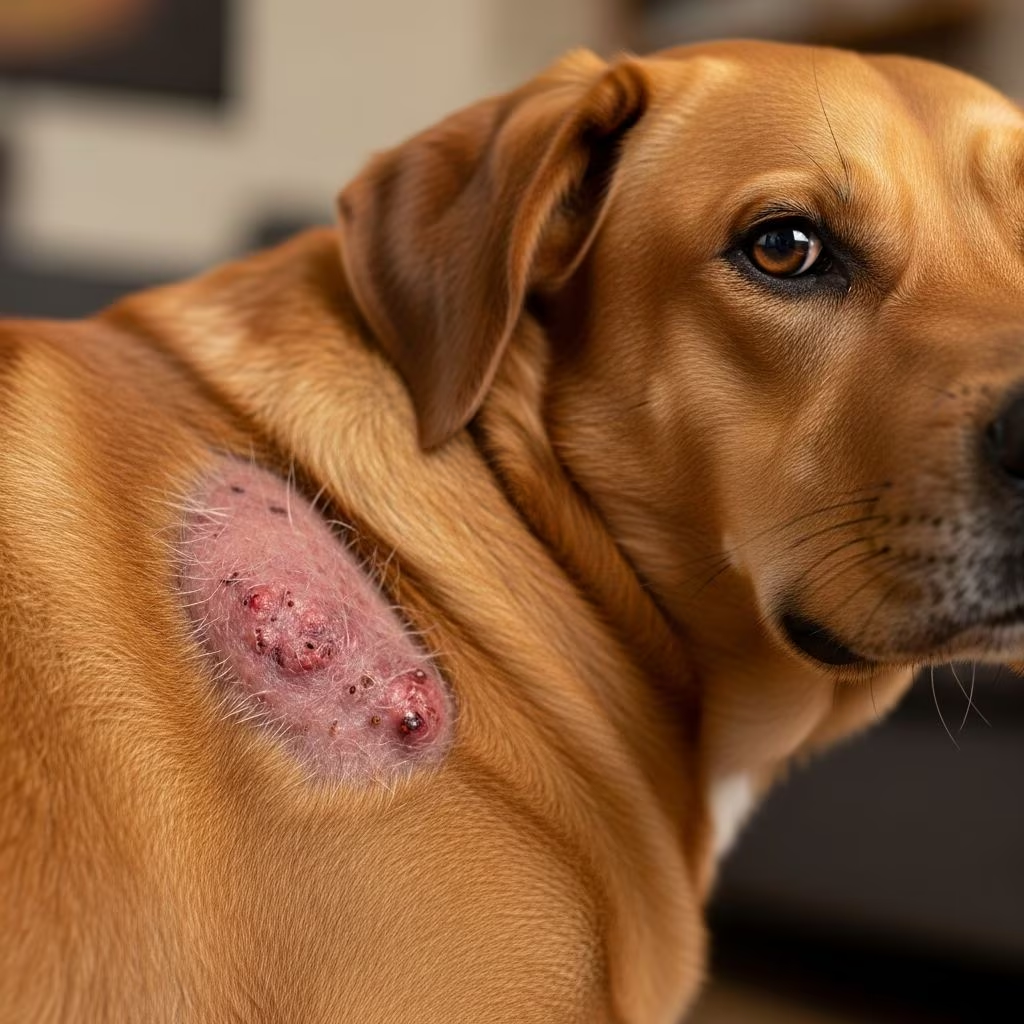
Can Dogs Get Scabies?
Yes, dogs can get scabies, a highly contagious parasitic skin disease caused by the Sarcoptes scabiei mite. Scabies, also known as sarcoptic mange, is one of the most commonly diagnosed skin conditions in dogs and can affect canines of any age, breed, or gender. Understanding this condition is essential for dog owners, as early detection and treatment can prevent severe complications and limit the spread to other animals in your household.
What Is Scabies in Dogs?
Scabies is a parasitic skin infection caused by microscopic mites that burrow into the skin of affected dogs. These mites are highly contagious and can easily spread from one dog to another through direct contact. The condition is characterized by intense itching, which often leads to secondary skin infections if left untreated. Unlike some other skin conditions, scabies requires prompt veterinary attention and medical intervention for complete resolution.
How Do Dogs Get Scabies?
Dogs contract scabies primarily through direct contact with infected animals. The Sarcoptes scabiei mite is highly contagious and easily transmitted between dogs of the same household or those in close proximity. Even brief contact with an infected dog can result in transmission of the mites to a healthy dog. Additionally, contaminated bedding, grooming tools, and environmental surfaces can occasionally serve as transmission vectors, though direct contact remains the primary mode of transmission.
Recognizing Scabies Symptoms in Dogs
Scabies presents with a variety of clinical signs that may vary in intensity from dog to dog. The most characteristic symptom is severe itching, which can be debilitating for affected animals. Some dogs may experience intense itchiness with minimal visible lesions, while others develop more pronounced skin changes. It is essential to recognize these symptoms early to prevent complications and reduce animal suffering.
Primary Signs and Symptoms
- Intense itching and scratching – Often the first and most noticeable symptom, sometimes occurring within days of exposure
- Hair loss (alopecia) – Patchy to widespread hair loss resulting from excessive scratching and self-trauma
- Red, inflamed skin – Generalized redness and irritation across affected areas
- Crusts and scabs – Buildup of crusty material on the skin surface
- Pimples and pustules – Small, raised lesions that may become infected
- Skin thickening (lichenification) – Thickened, leathery appearance of skin in chronic cases
- Hyperpigmentation – Darkening of the skin in areas with chronic inflammation
- Ear involvement – Symptoms often appear first on ear flaps and ear margins
- Elbow and hock involvement – Common areas affected by scabies
In some cases, dogs may be asymptomatic carriers, harboring the mites on their skin without displaying any clinical signs. This makes diagnosis challenging and emphasizes the importance of veterinary evaluation when exposure to infected animals is suspected.
Diagnosing Scabies in Dogs
Diagnosing canine scabies can be challenging, as the microscopic mites are difficult to find on skin scrapings. Veterinarians employ several diagnostic approaches to identify the condition. A physical examination combined with clinical signs suggestive of scabies is often the starting point. When clinical signs are present and the mites cannot be found through sampling, veterinarians frequently recommend a therapeutic trial approach, which involves treating the dog with an antiparasitic medication licensed for scabies. If the dog responds to treatment within three to four weeks with reduction and resolution of clinical signs, scabies is confirmed as the cause.
Treatment Options for Canine Scabies
The good news is that scabies is highly treatable when addressed promptly. Treatment is straightforward in most cases, and numerous effective products are available with veterinary licenses for scabies management. Dogs typically respond well to treatment, with most cases resolving within three months. The choice of treatment depends on the individual dog’s needs, the veterinarian’s preference, and the severity of the condition.
Medical Treatment Approaches
Several categories of antiparasitic medications are effective for treating scabies:
| Treatment Type | Examples | Administration Method | Effectiveness |
|---|---|---|---|
| Topical Spot-On Products | Selamectin (Revolution), Imidacloprid/Moxidectin (Advantage Multi) | Applied directly to skin | Highly effective |
| Oral Medications (Isoxazolines) | Afoxolaner (NexGard), Fluralaner (Bravecto), Sarolaner (Simparica) | Chewable tablets or oral suspensions | Highly effective |
| Dips and Washes | Lime-sulfur dip | Applied as bathing solution | Highly effective and safe for young animals |
| Sprays | Fipronil (Frontline) | Sprayed onto skin | Highly effective |
| Injectable Medications | Ivermectin, Doramectin, Milbemycin | Administered by veterinarian | Highly effective |
Systemic treatments, such as oral medications, are often recommended for therapeutic trials because they provide accurate dosing and better compliance. Modern flea and tick preventatives in the isoxazoline class have revolutionized scabies treatment by providing safer, easier-to-administer options compared to older treatment methods.
Supportive Care
Beyond antiparasitic medications, additional treatments address secondary complications:
- Antibiotics – Required when bacterial infections develop from scratching and skin trauma
- Antifungals – Prescribed if fungal infections complicate the scabies
- Anti-itch medications – Glucocorticoids or other anti-pruritic agents help control severe itching, particularly in the first week of treatment
- Medicated shampoos – Special washes with antiseborrheic properties help remove crusts and dirt
- Elizabethan collar (cone) – Prevents further self-trauma from excessive scratching
Treatment Timeline and What to Expect
Most dogs show signs of improvement within two weeks of beginning appropriate treatment. Maximum effectiveness is typically achieved within six to eight weeks. However, treatment duration may vary depending on the severity of the condition, the presence of secondary infections, and the dog’s overall health status. Three monthly veterinary checkups are recommended to monitor progress and ensure complete resolution. It is crucial not to discontinue treatment prematurely, as stopping medication too early is a common cause of treatment failure.
Environmental and Household Management
Successfully treating scabies requires more than just medicating the affected dog. Environmental management is equally important to prevent reinfestation and transmission to other animals:
- Treat all household pets – All dogs and other animals in the household should receive treatment, even if they show no symptoms, due to the contagious nature of the mites and the delay in clinical signs appearing
- Destroy contaminated bedding – Bedding used by the infected dog should be discarded or thoroughly sanitized
- Treat the environment – Apply parasiticidal sprays suitable for flea control throughout the home
- Isolate the affected dog – Keep the infected dog separated from other pets and minimize contact with humans during treatment to prevent transmission and reinfestation
- Maintain isolation until cleared – Continue isolation until your veterinarian confirms the dog is free of scabies through examination
- Prevent socialization – Avoid allowing your dog to play with other dogs or be boarded during treatment
Preventing Scabies in Dogs
Prevention is always preferable to treatment. Several strategies can significantly reduce your dog’s risk of contracting scabies:
Year-Round Parasite Control
Implementing a comprehensive year-round parasite control program provides effective protection against scabies. Regular use of preventative medications such as fipronil, topical moxidectin, selamectin, afoxolaner, fluralaner, or sarolaner can prevent infestations with Sarcoptes scabiei. These medications also protect against fleas, ticks, and other parasites, making them valuable components of preventive care.
Exposure Management
- Avoid contact with stray or unknown dogs with visible skin lesions
- Be cautious when visiting areas known to harbor mites
- Ensure proper hygiene practices when handling potentially exposed animals
- Keep your dog’s bedding clean and regularly sanitized
Prognosis and Recovery
The prognosis for dogs with scabies is excellent when appropriate treatment is initiated. Although dogs with scabies can be among the most severely affected individuals seen in veterinary practice, they typically make complete recoveries with proper medical therapy. Most cases resolve within three months, and dogs return to normal health and comfort levels following successful treatment. Strict adherence to the veterinarian’s treatment plan and completion of all recommended therapies are essential for optimal outcomes.
Can Humans Catch Scabies From Dogs?
While Sarcoptes scabiei mites from dogs can temporarily burrow into human skin, the mites cannot complete their life cycle in humans and typically do not establish persistent infestations. However, people with suspicious skin lesions after contact with an infected dog should consult a medical dermatologist for evaluation and appropriate treatment. Practicing good hygiene and minimizing direct contact with infected dogs during treatment reduces the risk of temporary skin irritation in humans.
Frequently Asked Questions About Canine Scabies
Q: How quickly does scabies develop after exposure to an infected dog?
A: Symptoms may appear within days to weeks of exposure, though some dogs may take longer to show clinical signs. This delay in symptom appearance is why treating all household pets is recommended, even if they appear healthy.
Q: Is scabies life-threatening to dogs?
A: While scabies itself is not typically life-threatening, the severe itching and secondary skin infections that develop can cause significant suffering and complications if left untreated. Prompt veterinary care ensures rapid resolution.
Q: Can a dog get scabies more than once?
A: Yes, dogs can contract scabies multiple times if exposed to infected animals after treatment. Maintaining year-round parasite control and limiting exposure to unknown dogs helps prevent recurrence.
Q: What should I do if my dog has been exposed to scabies?
A: Contact your veterinarian immediately if you suspect exposure. Your veterinarian may recommend preventative treatment, monitoring, or a therapeutic trial depending on your dog’s specific situation and symptoms.
Q: Are certain dog breeds more susceptible to scabies?
A: Scabies can affect dogs of any breed, age, or gender. However, dogs with compromised immune systems or underlying health conditions may be more susceptible to severe infections and complications.
Q: How much does scabies treatment cost?
A: Treatment costs vary depending on the chosen medication, the size of your dog, and the number of treatments required. Discuss pricing options with your veterinarian to find the most suitable treatment within your budget.
References
- Treating Canine Scabies — Veterinary Practice. 2024. https://www.veterinary-practice.com/article/treating-canine-scabies
- Sarcoptic Mange Mites (Scabies): Diagnosis and Treatment for Dogs — MedVet. 2025. https://www.medvet.com/sarcoptic-mange-mites-scabies-diagnosis-and-treatment-for-dogs/
- Mite Infestation (Mange, Acariasis, Scabies) in Dogs — Merck Veterinary Manual. 2025. https://www.merckvetmanual.com/dog-owners/skin-disorders-of-dogs/mite-infestation-mange-acariasis-scabies-in-dogs
- Sarcoptic Mange in Dogs — PetMD. 2024. https://www.petmd.com/dog/conditions/skin/c_dg_sarcoptic_mange
- Sarcoptic Mite: Control and Prevention — Companion Animal Parasite Council. 2024. https://capcvet.org/guidelines/sarcoptic-mite/
- Scabies (Mange) Signs, Symptoms and Treatment Options for Dogs — UVS Online. 2025. https://www.uvsonline.com/scabies-sarcoptic-mange/
- Scabies in Dogs – Symptoms and Treatment — VetAmerican. 2024. https://www.vetamerikan.org/health-information/dog-diseases/scabies-in-dogs



