

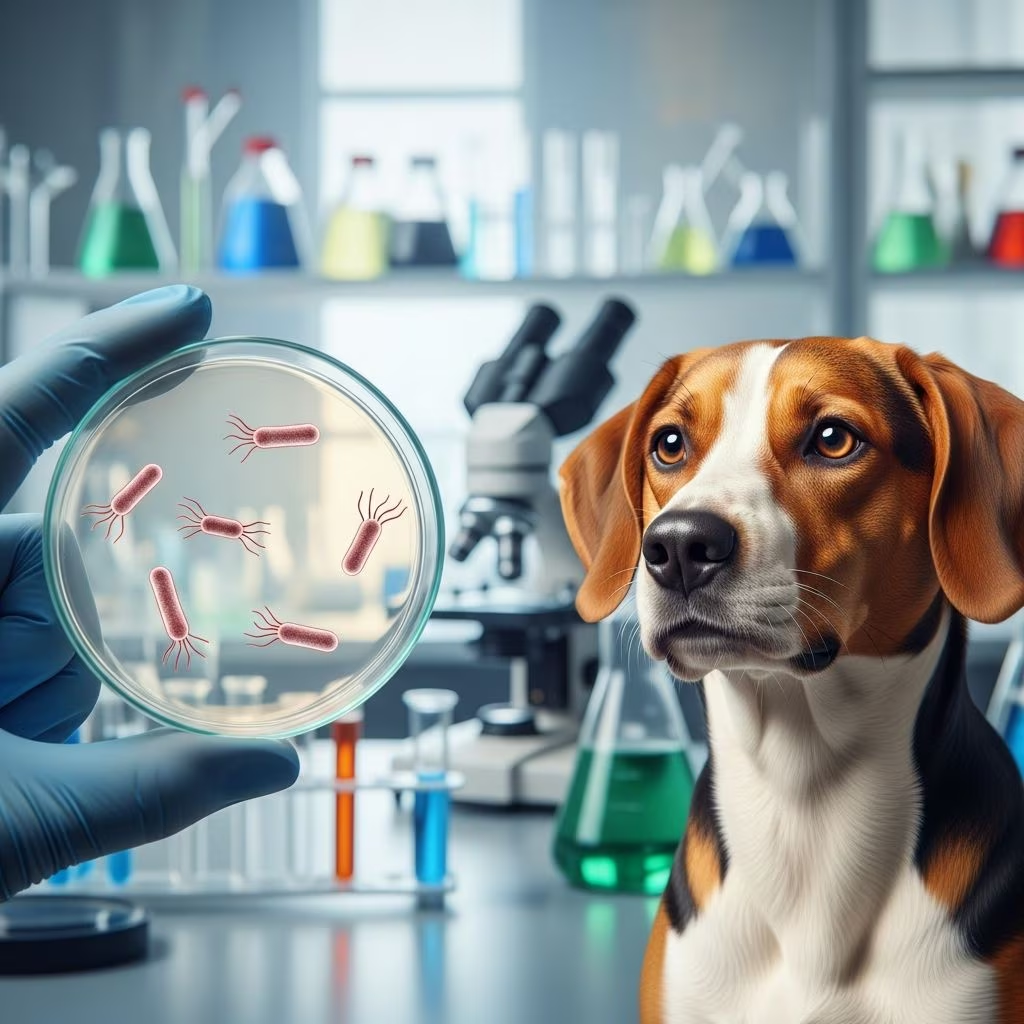
Dogs can indeed contract salmonella, a bacterial infection caused by Salmonella bacteria commonly found in contaminated food, water, or environments. While many dogs carry the bacteria asymptomatically, shedding it in feces and posing risks to humans and other pets, symptomatic cases can lead to serious gastrointestinal issues or systemic infection. This comprehensive guide covers transmission, symptoms, diagnosis, treatment, prevention, and zoonotic concerns to help pet owners protect their furry companions.
What Is Salmonella?
Salmonella refers to a group of rod-shaped bacteria belonging to the family Enterobacteriaceae, capable of causing salmonellosis in animals and humans. In dogs, it primarily affects the intestines but can spread systemically in vulnerable cases. The bacteria thrive in warm, moist environments and are often linked to raw or undercooked animal products.
Over 2,500 serotypes exist, but common ones in dogs include Salmonella Typhimurium and Enteritidis. Dogs typically ingest the bacteria through contaminated sources, leading to colonization in the gut. Unlike humans, where symptoms are more frequent, dogs often act as carriers without illness, complicating detection and control.
How Do Dogs Get Salmonella?
Dogs acquire salmonella mainly through oral ingestion of contaminated materials. Key transmission routes include:
- Raw diets and treats: Raw meat, bones, eggs, or commercial raw pet foods are high-risk due to bacterial contamination during processing or slaughter.
- Contaminated water or environment: Puddles, soil, or feces from infected wildlife, livestock, or other dogs.
- Poor hygiene: Contact with infected feces, then self-grooming or eating from dirty bowls.
- Exposure to carriers: Asymptomatic dogs shed bacteria for weeks, contaminating shared spaces.
Puppies, seniors, and immunocompromised dogs face higher risks of symptomatic disease due to weaker defenses. Recent outbreaks have been tied to recalled raw pet foods, emphasizing the need for vigilance.
Symptoms of Salmonella in Dogs
Most dogs infected with salmonella show no symptoms, silently shedding bacteria in feces for days to months, which heightens zoonotic transmission risks. When symptoms appear—typically 3-5 days post-exposure—they mimic other gastrointestinal issues.
Common Symptoms
- Acute diarrhea: Often watery or bloody, with straining (tenesmus).
- Vomiting: Frequent, leading to rapid dehydration.
- Lethargy and depression: Reduced activity and interest in play.
- Loss of appetite: Refusal of food, causing weight loss.
- Fever and dehydration: Sunken eyes, dry gums, elevated heart rate.
- Swollen lymph nodes: Noticeable abdominal tenderness.
Severe Symptoms (Require Immediate Vet Care)
- Persistent fever or shock: Collapse, weak pulse.
- Bloody stools or prolonged diarrhea: Lasting over 3-4 weeks.
- Systemic spread: Non-intestinal infections, sepsis, miscarriage in pregnant dogs.
- Uncontrolled weight loss or blood loss: Indicating septicemia.
Symptoms vary by strain virulence, dose ingested, and host immunity. Puppies and geriatrics progress faster to life-threatening states.
Diagnosis of Salmonella in Dogs
Diagnosing salmonella is challenging due to nonspecific symptoms overlapping with parvovirus, parasites, or dietary indiscretion. Vets use a multi-step approach:
- History and physical exam: Assessing diet, exposure, and symptom onset.
- Fecal analysis: Culture (gold standard, takes 3-5 days) or PCR for Salmonella DNA.
- Bloodwork: Checks for dehydration, infection markers, or organ involvement.
- Imaging: Ultrasound for abdominal issues or sepsis signs.
- Fecal smears: Microscopic exam for bacteria.
False negatives occur if shedding is intermittent, so repeat testing may be needed. Differential diagnosis rules out other causes.
Treatment for Salmonella in Dogs
Treatment focuses on supportive care, as most cases resolve spontaneously. Antibiotics are reserved for severe systemic infections to avoid resistance. Prognosis is excellent for mild cases (90-95% recovery) but guarded for sepsis.
Supportive Care
- IV fluids: Corrects dehydration and electrolyte imbalances, especially in hospitalized dogs.
- Dietary management: Bland diet (boiled rice/chicken), fasting initially to rest gut.
- Rest and monitoring: Crate rest reduces stress and prevents spread.
- Probiotics: Restore gut flora, shorten diarrhea duration—vet-approved only.
Medications
| Condition | Treatment | Notes |
|---|---|---|
| Mild gastroenteritis | Supportive only | Antibiotics discouraged |
| Severe/septic cases | Antibiotics (e.g., ampicillin, enrofloxacin, trimethoprim-sulfamethoxazole) | 5-6 days; monitor for resistance |
| Endotoxemia | NSAIDs | Counteracts bacterial lysis effects |
| Blood loss | Transfusion | Rare, for severe cases |
Steroids may prevent shock in critical cases. Hospitalization is common for severe dehydration or sepsis. Full recovery takes 1-2 weeks with proper care.
Recovery and Prognosis
Mild cases recover fully with home care in days; severe ones may need weeks of hospitalization. Asymptomatic carriers shed for 4-6 weeks, requiring hygiene. Monitor for relapse, as bacteria can persist. Long-term, most dogs develop immunity but remain carriers.
Prevention of Salmonella in Dogs
Preventing salmonella hinges on risk reduction:
- Avoid raw foods: Opt for cooked or commercially sterilized kibble; heed FDA recalls.
- Hygiene practices: Wash bowls daily, pick up feces promptly, disinfect with bleach (1:32 dilution).
- Safe sourcing: Use filtered water; avoid wild areas with livestock.
- Vaccination/immunity: No vaccine; boost via balanced nutrition.
- Regular vet checks: Fecal screening for breeders/kennels.
Cleaning eliminates bacteria from surfaces effectively.
Is Salmonella in Dogs Zoonotic?
Yes, salmonella is zoonotic—dogs can transmit it to humans, especially children, elderly, or immunocompromised via fecal-oral route. Asymptomatic shedding makes this risky; 6% of human cases link to pets. Handwashing after handling dogs, avoiding face-licking, and isolating sick pets are crucial.
Frequently Asked Questions (FAQs)
Can dogs get salmonella from rawhide chews?
Yes, rawhide from contaminated sources can harbor salmonella; choose processed, U.S.-sourced products.
How long is a dog contagious with salmonella?
Up to 6 weeks or longer in carriers; test feces before resuming normal contact.
Should I give my dog antibiotics for salmonella?
Only if prescribed for severe cases; routine use promotes resistance.
Can salmonella kill dogs?
Rarely in healthy adults, but yes in puppies or septic cases without treatment.
How do I disinfect my home after dog salmonella?
Use household disinfectants or 1:32 bleach solution; focus on high-touch areas.
References
- Salmonella Poisoning in Dogs – Causes, Treatment and Prevention — Vetster. 2024. https://vetster.com/en/conditions/dog/salmonella-poisoning
- Can Dogs Get Salmonella? — AmeriVet. 2023. https://amerivet.com/blog/can-dogs-get-salmonella
- Can dogs get salmonella poisoning? — Whitesburg Animal Hospital. 2023-03-30. https://www.whitesburganimalhospital.com/site/blog/2023/03/30/dog-salmonella
- Salmonella Poisoning & Your Dog’s Health — HAHAugusta. 2023-08-15. https://www.hahaugusta.com/site/blog/2023/08/15/can-dogs-get-salmonella
- Don’t Let Salmonella Sink Your Dog’s Health! — Midog Testing. 2024. http://www.midogtest.com/blog/dont-let-salmonella-sink-your-dogs-health/
- Salmonellosis in Animals – Digestive System — Merck Veterinary Manual. 2024. https://www.merckvetmanual.com/digestive-system/salmonellosis/salmonellosis-in-animals



