

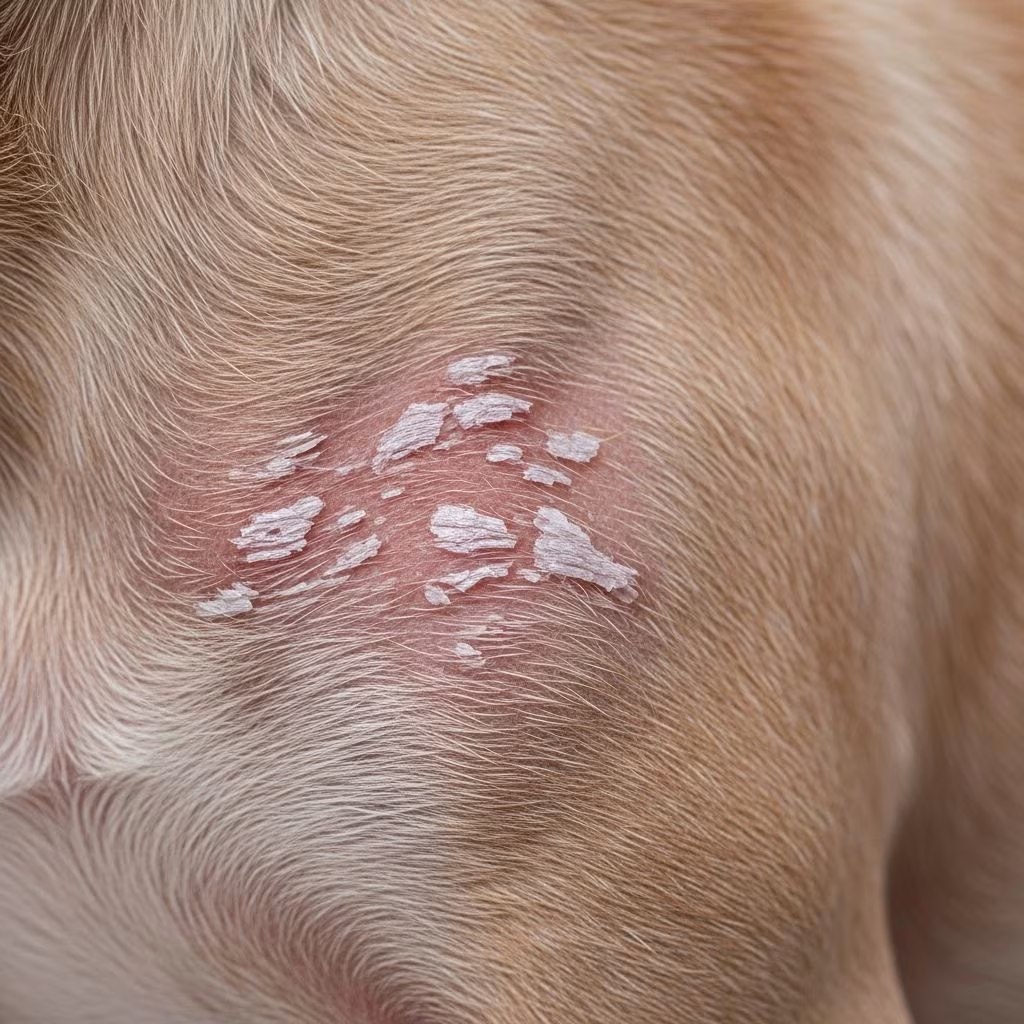
Psoriasis in dogs is an uncommon autoimmune condition characterized by rapid skin cell growth leading to thick, scaly patches that cause significant discomfort. While not identical to human psoriasis, it shares similarities in presentation and immune-mediated origins, primarily affecting dogs with weakened defenses against self-attack on skin tissues.
Recognizing Psoriasis-Like Symptoms in Canines
Dogs with this condition often display persistent **itching** that leads to scratching, biting, or licking affected areas, resulting in red, inflamed skin. Common visible signs include dry, flaky scales that may appear silvery or white, thickened plaques, and in severe cases, cracked or bleeding skin from trauma. These symptoms frequently concentrate on the elbows, knees, ears, and lower back, though they can spread if unmanaged.
- Excessive dandruff or flaking beyond normal shedding
- Red, raised patches with irregular borders
- Intense irritation prompting self-inflicted wounds
- Occasional hair loss in localized spots
Early detection hinges on observing behavioral changes like restlessness at night due to itchiness or reluctance to play from soreness.
Root Causes Behind Canine Skin Scaling
The precise trigger remains elusive, but evidence points to a **compromised immune system** where T-cells malfunction, accelerating keratinocyte production and buildup on the skin surface. This provokes further inflammation and itch cycles. Genetic predispositions play a role in certain breeds, alongside environmental aggravators.
| Potential Triggers | Description |
|---|---|
| Immune Dysfunction | Body attacks healthy skin cells, causing overproduction |
| Allergens | Food, pollen, or fabrics exacerbate sensitivity |
| Genetics | Inherited traits in predisposed breeds |
| Stress or Infection | Weakens barriers, inviting secondary issues |
Unlike infectious causes, this disorder stems internally, making holistic management vital.
Differentiating Psoriasis from Common Mimics
Many owners mistake psoriasis for more prevalent issues, delaying proper care. **Atopic dermatitis** mimics with chronic itch but features more widespread redness without thick scales. Bacterial pyoderma (hot spots) arises from skin breaks, showing moist, rapidly expanding red zones often on the face or flanks.
- Flea Allergy: Localized bites with hypersensitivity, treatable via parasite control
- Yeast Overgrowth: Greasy, musty-smelling patches in folds
- Mange: Hairless, crusted areas from mites
- Staph Infections: Pustules and crusts on compromised skin
Veterinary diagnostics like skin scrapes, cytology, or biopsies confirm the true culprit, as superficial exams often mislead.
Diagnostic Approaches for Accurate Identification
A thorough vet exam begins with history-taking on diet, environment, and onset timing. Visual inspection follows, supplemented by tools like Woods lamps for fluorescing fungi or tape preps revealing bacteria. Biopsies provide definitive immune cell insights, ruling out mimics.
In one documented case, a dog’s escalating itch led to biopsy-confirmed psoriasis, managed via combined therapies yielding remission. Bloodwork assesses underlying hypothyroidism or allergies contributing to flares.
Proven Treatment Strategies for Relief
Management focuses on symptom control, immune modulation, and barrier restoration—no cure exists, but remission is achievable. **Topical therapies** lead, with shampoos containing coal tar, sulfur, or chlorhexidine reducing scales and bacteria.
| Treatment Type | Examples | Benefits |
|---|---|---|
| Topicals | Medicated shampoos, moisturizers with primrose oil | Soothe itch, hydrate, clear scales |
| Oral Meds | Apoquel, Cytopoint, Atopica | Target itch cytokines, minimal immune suppression |
| Antibiotics | Cephalexin for secondary infections | Clear pyoderma |
Immunosuppressants like cyclosporine calm T-cell overactivity for chronic cases. Injections such as Cytopoint neutralize itch-signaling IL-31 every 4-8 weeks.
Nutritional and Supplemental Support
Diet profoundly influences skin health; high-quality proteins sans fillers bolster immunity. Omega-3/6 fatty acids reduce inflammation, while zinc and vitamin C aid repair. Hypoallergenic formulas eliminate triggers.
- Fish oil supplements for EPA/DHA
- Antioxidant-rich veggies
- Avoid corn, by-products
Supplements like evening primrose oil hydrate internally.
Lifestyle Adjustments for Long-Term Management
Prevent flares through gentle grooming with hypoallergenic brushes, regular but non-drying baths, and allergen-free bedding. Moderate sun exposure may benefit mild cases, mimicking vitamin D therapies. Elizabethan collars curb scratching during acute phases.
Exercise in low-pollen times maintains weight, reducing skin fold moisture.
Potential Complications and Prognosis
Unchecked scratching invites **secondary infections**, chronic pain, or mobility issues from joint involvement. Early intervention yields 80-90% improvement rates with adherence. Lifelong vigilance ensures quality life.
FAQs on Dog Psoriasis
Q: Is dog psoriasis contagious?
No, it’s autoimmune, not transmissible to pets or humans.
Q: Which breeds are prone?
Any, but those with allergies like Bulldogs or Retrievers face higher risk.
Q: How long until treatments work?
1-4 weeks for topicals; orals faster, per vet monitoring.
Q: Can diet alone cure it?
No, but it supports meds significantly.
Q: When to see a vet urgently?
If bleeding, odor, or lethargy accompanies skin changes.
This comprehensive approach empowers owners to alleviate suffering effectively.
References
- Dog Psoriasis and Skin Problems: Signs, Causes, and Treatments — Revival Animal Health. 2023. https://www.revivalanimal.com/learning-center/dog-psoriasis-and-skin-problems-signs-causes-and-treatments
- What you need to know about psoriasis in dogs — Creative Science. 2023. https://creative.science/education/what-you-need-to-know-about-psoriasis-in-dogs
- Treatment options for psoriasis in dogs — Pets4Homes. 2024. https://www.pets4homes.co.uk/pet-advice/treatment-options-for-psoriasis-in-dogs.html
- Can Dogs Get Psoriasis? — WagWalking. 2024. https://wagwalking.com/wellness/can-dogs-get-psoriasis
- Understanding Canine Skin Disorders — Creedmoor Road Animal Hospital. 2024. https://creedmoorroadanimalhospital.com/pet-dermatology-in-raleigh-nc/understanding-canine-skin-disorders/
- Canine skin autoimmune diseases — Cornell University College of Veterinary Medicine. 2023-01-30. https://www.vet.cornell.edu/departments-centers-and-institutes/riney-canine-health-center/canine-health-information/canine-skin-autoimmune-diseases



