

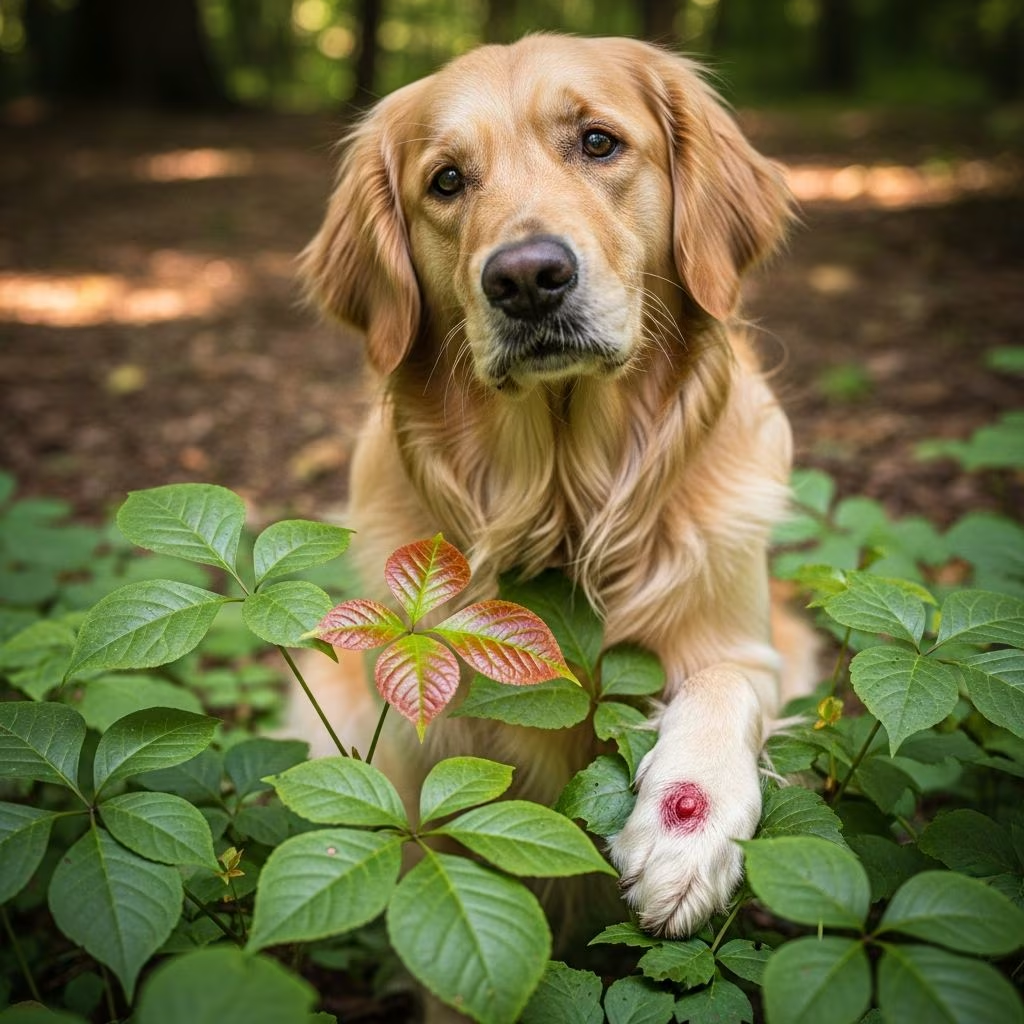
Dogs can get poison ivy, but it’s uncommon due to their fur protection. The plant’s urushiol oil causes rashes in humans and some dogs, especially thin-coated breeds, with ingestion leading to GI issues or severe reactions.
What Is Poison Ivy?
Poison ivy (Toxicodendron radicans) is a vine or shrub with three glossy leaflets, producing urushiol oil that triggers allergic contact dermatitis on contact. In dogs, fur often blocks skin absorption, but exposed areas like bellies or ingestion pose risks. This oil persists on fur, contaminating homes if untreated.
Can Dogs Get Poison Ivy?
Yes, dogs can develop poison ivy reactions, primarily through skin contact or ingestion. Fur-coated dogs rarely show rashes, but hairless, short-haired, low-to-ground, or allergy-prone breeds like Chinese Crested, Pugs, French Bulldogs, Labradors, or immune-compromised dogs are vulnerable. Rashes appear on thin-fur areas; ingestion irritates the GI tract.
Symptoms of Poison Ivy in Dogs
Symptoms vary by exposure type and severity. Skin contact yields mild to severe signs; ingestion causes systemic issues.
Skin Contact Symptoms
- Redness or swelling on exposed skin like belly, groin, armpits
- Blisters, bumps, hives, scabs
- Excessive itching, licking, scratching, gnawing
- Irritated red skin turning to blisters
Ingestion Symptoms
- Nausea, vomiting, diarrhea, decreased appetite
- Abdominal pain
- Mouth/throat irritation: drooling, pawing, swelling, swallowing difficulty
- Severe: difficulty breathing, anaphylaxis (salivation, elevated pulse, convulsions, weak heartbeat, facial swelling, coma)
Monitor post-exposure; mild cases resolve, but severe ones need immediate vet care.
Risk Factors for Poison Ivy in Dogs
Not all dogs react equally. Vulnerable groups include:
- Hairless breeds (e.g., Chinese Crested)
- Thin/short-haired (e.g., Pugs)
- Low-to-ground (e.g., French Bulldogs)
- Working/hunting breeds (e.g., Labradors, Pointers)
- Allergy-prone or immune-disordered dogs
Dogs rolling in or eating plants heighten risks.
How to Tell If Your Dog Has Poison Ivy
Diagnosis relies on history and symptoms, as rashes mimic other dermatitis. Vets examine skin, inquire about plant exposure. Skin signs post-hike on belly suggest poison ivy; rule out fleas, allergies. Ingestion confirmed by vomiting after plant chewing.
Treatment for Poison Ivy in Dogs
Treat promptly to ease discomfort, prevent infections. Home care for mild cases; vet for severe.
Home Treatments
- Bathe with oatmeal shampoo or Tecnu® to remove urushiol
- Calamine lotion (monitor ingestion; use e-collar)
- Cool compresses, calendula cream, apple cider vinegar
- Oral Benadryl (1mg/lb every 8 hours, consult vet)
Veterinary Treatments
For skin reactions:
- Antihistamines (Benadryl oral/injection), hydrocortisone topical
- Antibiotic ointments, oral antibiotics for sores
- Medicated baths/wipes, anti-inflammatories (steroids)
- E-collar to stop licking
For ingestion/anaphylaxis:
- Activated charcoal, gastric lavage
- Anti-nausea, IV fluids, gastroprotectants, antacids, anti-diarrheals
- Oxygen, steroids, antihistamines
- Bland diet, probiotics
Mild cases heal in weeks; follow-up checks healing.
Poison Ivy Prevention in Dogs
Prevention beats treatment:
- Learn identification: ‘Leaves of three, let it be’
- Leash on trails; avoid brushing plants
- Yard: remove plants, use barriers
- Bathe post-exposure with Tecnu® or keratolytic shampoo
- Wash gear, yourself to avoid spread
- Train to avoid plants
When to See a Vet for Poison Ivy in Dogs
Seek immediate care for:
- Severe rash, blisters, infection signs
- Ingestion symptoms: vomiting, breathing issues
- Anaphylaxis: swelling, convulsions
- Persistent mild symptoms
Contact vet, Pet Poison Helpline (855-764-7661), or ASPCA Animal Poison Control.
Frequently Asked Questions (FAQs)
Can dogs get poison ivy rashes?
Yes, though rare; fur protects, but exposed skin on belly/groin can rash.
What if my dog eats poison ivy?
Causes GI upset, drooling, severe anaphylaxis; vet immediately.
How do you treat poison ivy on dogs?
Bathe, Benadryl, vet meds like steroids/antibiotics.
Which dogs are most at risk for poison ivy?
Hairless, short-haired, low dogs, allergy-prone.
Can I use human poison ivy cream on my dog?
No; consult vet. Calamine possible but risky if licked.
Conclusion
Poison ivy risks dogs minimally but warrant vigilance. Recognize symptoms, treat early, prevent exposure for healthy adventures.
References
- Can Dogs Get Poison Ivy? Yes, and Here’s What to Do — Native Pet. 2023. https://nativepet.com/blogs/health/can-dogs-get-poison-ivy
- What to Do If Your Dog Has Poison Ivy — WagWalking. 2023. https://wagwalking.com/wellness/what-to-do-if-your-dog-has-poison-ivy
- Can Dogs Get Poison Ivy? — Purina US. 2023. https://www.purina.com/articles/dog/health/symptoms/can-dogs-get-poison-ivy
- Poison Ivy On Dogs — Dogs Naturally Magazine. 2023. https://www.dogsnaturallymagazine.com/poison-ivy-on-dogs/
- Can Dogs Get Poison Ivy? Everything You Need to Know — Deporre Vet. 2023. https://www.deporrevet.com/services/dogs/blog/can-dogs-get-poison-ivy-everything-you-need-know-about-poison-ivy-dogs
- Can Dogs Get Poison Ivy? — PetMD. 2023. https://www.petmd.com/dog/general-health/can-dogs-get-poison-ivy



