

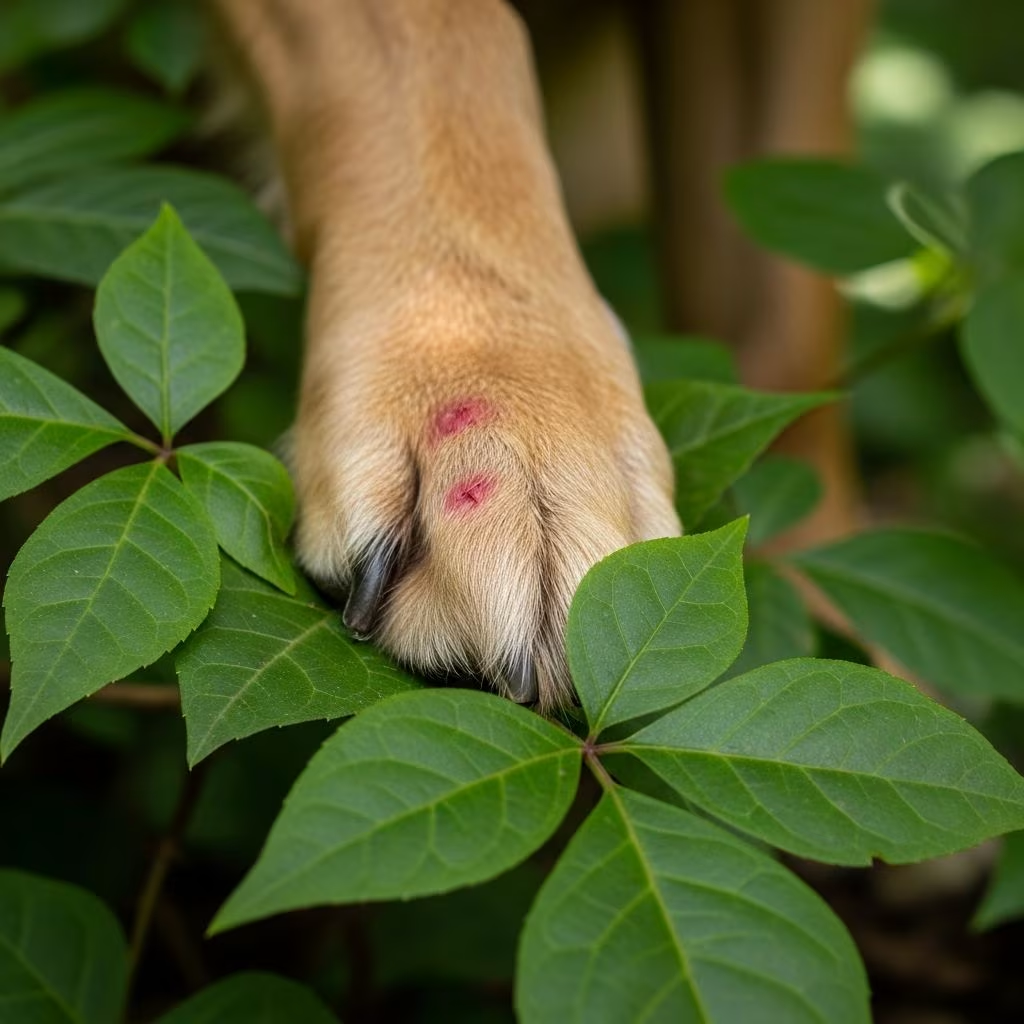
Dogs can experience reactions to poison ivy, though skin rashes are less common than in humans due to their fur protection. Exposure to urushiol oil, the plant’s irritant, may cause mild skin issues or severe gastrointestinal distress if ingested.
Understanding Poison Ivy and Its Impact on Canines
Poison ivy (Toxicodendron radicans) thrives in wooded areas, trails, and backyards, releasing urushiol oil that triggers allergic responses. While humans often develop intense rashes, dogs’ double coats shield much of their skin, making topical reactions rare but possible on exposed areas like the belly, armpits, or groin. Ingestion during play or grazing poses a higher risk, leading to internal irritation.
Urushiol binds to skin proteins, provoking an immune response. In dogs, sensitivity varies by breed, age, and prior exposure; short-haired breeds may show more visible signs. Early recognition prevents complications like secondary infections from scratching.
Recognizing Signs of Poison Ivy Exposure in Dogs
Symptoms appear within hours to days, depending on contact intensity. Distinguish between skin contact and ingestion for proper response.
Skin Contact Symptoms
- Red, inflamed skin on thin-furred areas like the abdomen or legs
- Intense itching, leading to chewing, licking, or scratching
- Bumps, hives, blisters, or scabs from self-trauma
- Swelling around eyes, mouth, or paws
Ingestion Symptoms
- Vomiting, diarrhea, or nausea
- Excessive drooling or pawing at the mouth
- Loss of appetite or abdominal discomfort
- Rare but severe: breathing issues, facial swelling, or anaphylaxis
Monitor for progression; mild cases resolve in days, but worsening signs demand veterinary attention.
Immediate Steps for Suspected Exposure
Act quickly to remove urushiol and ease discomfort. Isolate your dog from the area to avoid spreading oil via fur.
- Wash Thoroughly: Use gloves and bathe with mild oatmeal shampoo or Tecnu-like cleanser to degrease skin. Rinse well; repeat if needed.
- Cool Relief: Apply cold compresses to reduce swelling and itch.
- Prevent Licking: Fit an Elizabethan collar (e-collar) to stop further irritation.
- Home Soothers: Avoid human products like calamine lotion, which can upset stomachs if licked. Opt for pet-safe hydrocortisone creams sparingly.
If symptoms persist beyond 24 hours or include vomiting, seek professional care immediately.
Veterinary Diagnosis and Treatment Options
Vets diagnose via history, physical exam, and ruling out similar conditions like flea allergies or other dermatitis, as poison ivy rashes mimic many issues. No specific test exists; treatment targets symptoms.
| Condition | Treatments | Duration |
|---|---|---|
| Skin Rash | Antihistamines (Benadryl), topical steroids, medicated baths, antibiotics for infections, e-collar | 1-2 weeks |
| Ingestion/GI Upset | Anti-nausea meds, IV fluids, activated charcoal, gastroprotectants, probiotics | Days to a week |
| Severe Allergy | Steroids, oxygen, epinephrine for anaphylaxis | Emergency, monitored |
Oral Benadryl (1mg/lb every 8 hours) is common for mild cases, but dosage requires vet confirmation. Follow-ups ensure healing without scarring.
Preventing Poison Ivy Encounters During Outdoor Activities
Proactive measures keep adventures safe.
- Identification: Learn poison ivy’s three-leaf clusters; avoid brushing against vines or shiny leaves.
- Gear Up: Use pet booties or belly bands on hikes; apply pet-safe barrier lotions pre-walk.
- Yard Control: Remove plants or use herbicides safely; fence off infested zones.
- Post-Outing Routine: Wipe paws, belly, and muzzle with pet wipes; full bath if high-risk areas visited.
- Supervise Play: Discourage eating unknown plants; train “leave it” commands.
Short-haired or allergy-prone dogs benefit from regular oatmeal baths as maintenance.
When to Rush to the Vet: Red Flags
Not all exposures need ER visits, but these warrant immediate action:
- Difficulty breathing, swelling, or collapse (anaphylaxis)
- Persistent vomiting/diarrhea over 12 hours
- Rash spreading despite home care or signs of infection (pus, fever)
- Lethargy, refusal to eat, or pale gums
Contact ASPCA Poison Control (888-426-4435) or Pet Poison Helpline (855-764-7661) for guidance.
Common Myths About Poison Ivy in Pets
- Myth: Dogs are immune. Fact: Reactions occur, especially ingestion.
- Myth: Fur fully protects. Fact: Oil penetrates to skin on shaved or thin areas.
- Myth: Human remedies are safe. Fact: Many are toxic if ingested.
Frequently Asked Questions (FAQs)
Can all dogs get poison ivy the same way?
No, fur length and sensitivity differ; brachycephalic breeds may face higher ingestion risks.
Is poison ivy fatal to dogs?
Rarely, but untreated anaphylaxis can be; prompt care is key.
How long do symptoms last?
Skin issues: 7-14 days with treatment; GI: 2-5 days.
Can I use Benadryl without a vet?
For mild itch, yes at proper dose, but consult first for safety.
Does poison oak or sumac affect dogs similarly?
Yes, same urushiol; symptoms and treatments overlap.
Long-Term Care for Recovered Dogs
Post-recovery, monitor for sensitivities. Probiotics aid gut recovery from ingestion. Hypoallergenic diets or allergy testing help chronic cases. Annual vet skin checks prevent oversight.
Empower your walks with knowledge; most exposures are manageable, ensuring joyful, itch-free outings.
References
- Can Dogs Get Poison Ivy? Yes, and Here’s What to Do — Native Pet. 2023. https://nativepet.com/blogs/health/can-dogs-get-poison-ivy
- What to Do If Your Dog Has Poison Ivy — WagWalking. 2023. https://wagwalking.com/wellness/what-to-do-if-your-dog-has-poison-ivy
- Can Dogs Get Poison Ivy? — Purina US. 2024. https://www.purina.com/articles/dog/health/symptoms/can-dogs-get-poison-ivy
- Can Dogs Get Poison Ivy? — PetMD. 2024. https://www.petmd.com/dog/general-health/can-dogs-get-poison-ivy
- Can Dogs Get Poison Ivy? Everything You Need to Know — Deporre Veterinary Hospital. 2023. https://www.deporrevet.com/services/dogs/blog/can-dogs-get-poison-ivy-everything-you-need-know-about-poison-ivy-dogs
- Can Dogs Get Poison Ivy, Oak, or Sumac? — MetLife Pet Insurance. 2023. https://www.metlifepetinsurance.com/blog/pet-care/can-dogs-get-poison-ivy/



