

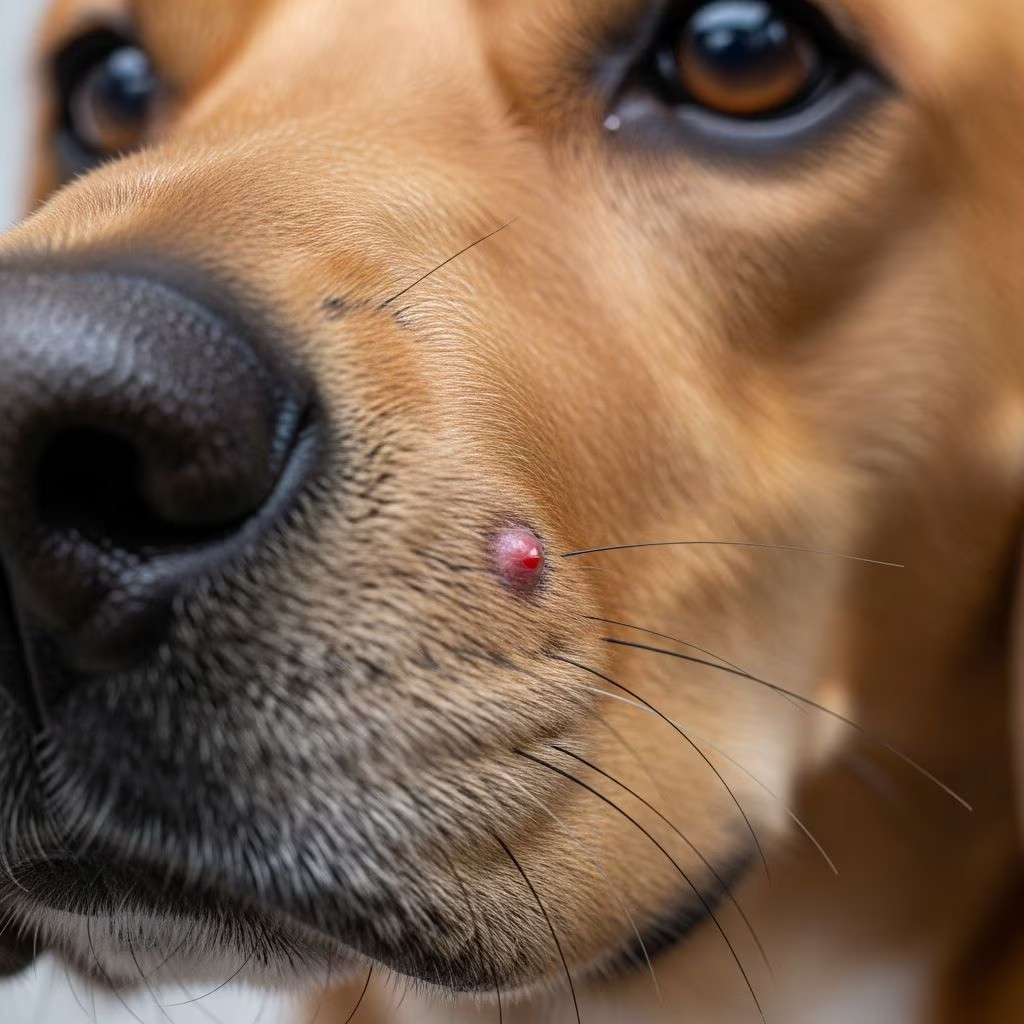
Yes, dogs can develop pimples, a condition commonly known as **dog acne** or **canine acne**. This skin issue typically appears on the chin, lips, or muzzle as small red bumps, blackheads, whiteheads, or pustules, similar to human acne but caused by factors like clogged hair follicles, bacteria, and trauma. While often mild and self-resolving, especially in puppies, untreated dog pimples can lead to infections, scarring, or chronic issues. Understanding the causes, symptoms, and treatments is essential for pet owners to maintain their dog’s skin health.
What Does Dog Acne Look Like?
Dog acne manifests as pimple-like bumps, often on the chin or around the mouth. Early signs include small red papules or blackheads from clogged pores filled with oil and debris. As it progresses, whiteheads, pustules filled with pus, or even cysts may form. In severe cases, lesions ulcerate, bleed, or develop crusts, causing pain, swelling, or hair loss. Unlike human acne, dog pimples are frequently triggered by mechanical irritation rather than solely hormones.
- Mild cases: Small blackheads or whiteheads without much inflammation.
- Moderate cases: Red, swollen bumps with pus.
- Severe cases: Painful, ulcerated lesions with discharge, scarring, or secondary infections.
These symptoms are most noticeable after eating or drinking, when food residue exacerbates irritation on the chin.
Causes of Dog Pimples
Several factors contribute to dog acne, often in combination. The primary mechanism involves clogged hair follicles due to excess sebum (oil) produced by sebaceous glands mixing with dead skin cells and debris. Trauma from rubbing the face on rough surfaces, rough play, or plastic food bowls irritates the skin, rupturing follicles and releasing inflammatory contents. Bacteria like Staphylococcus or Propionibacterium acnes then colonize the area, worsening inflammation.
Other key causes include:
- Hormonal changes: Common in puppies during puberty, though it usually improves with age.
- Genetics and breed predisposition: Short-coated breeds like Boxers, Bulldogs, and Rottweilers are more susceptible due to abnormal keratinization.
- Allergies: Food, environmental, or contact allergies cause irritation leading to pimples.
- Poor hygiene: Dirt, oil buildup, or ingrown hairs from infrequent grooming.
- Underlying conditions: Demodicosis (mites), yeast infections, or fungal issues like ringworm.
| Cause | Description | Common in |
|---|---|---|
| Clogged Follicles | Oil + dead skin blocks pores | All dogs |
| Trauma | Rubbing/scratching chin | Active puppies |
| Bacteria | Staph infection post-trauma | Short-haired breeds |
| Allergies | Food/environmental triggers | Sensitive dogs |
Symptoms to Watch For
Monitor for bumps that don’t resolve in a few days, especially if accompanied by itching, redness, swelling, or foul odor indicating infection. Puppies often outgrow mild acne, but adults may need intervention if pimples persist or spread. Differentiate from allergies (itchy, widespread) or folliculitis (deeper infections).
How Veterinarians Diagnose Dog Acne
Diagnosis starts with a physical exam focusing on the chin and muzzle. Vets may perform skin scrapings, cytology (examining pus under microscope for bacteria/yeast), or biopsies for severe cases to rule out demodex mites, allergies, or autoimmune diseases. No blood tests are typically needed unless hormonal issues are suspected.
Treatment Options for Dog Pimples
Treatment depends on severity but emphasizes cleaning, reducing inflammation, and addressing infections. Most cases respond well to topical therapies without systemic drugs.
Topical Treatments
The cornerstone is **benzoyl peroxide** (2-5% gels or shampoos), which flushes follicles, kills bacteria, and reduces oil. Apply daily to clean skin, rinsing after 10 minutes to avoid dryness. Other options include chlorhexidine wipes, medicated shampoos, or sprays like Vetericyn for soothing.
- Benzoyl peroxide: First-line for mild-moderate acne.
- Topical antibiotics (e.g., mupirocin): For bacterial overgrowth.
- Retinoids: Unclog pores but use cautiously to prevent irritation.
Oral Medications
For severe or infected cases, vets prescribe oral antibiotics (e.g., cephalexin for 2-3 weeks), anti-inflammatories, or antifungals. Steroids are short-term only due to side effects.
Supportive Care
- Hygiene: Clean chin daily with pet-safe wipes; switch to stainless steel bowls.
- Diet: Hypoallergenic food or elimination trials for allergies.
- Behavioral: Discourage rough play or muzzle rubbing.
A balanced diet with skin-supporting nutrients like omega-3s aids recovery.
Preventing Dog Acne
Prevention focuses on hygiene and minimizing triggers:
- Groom regularly: Brush, bathe with mild shampoos every 1-2 weeks.
- Clean face post-meals: Use hypoallergenic wipes.
- Avoid irritants: Metal bowls, soft bedding washed weekly.
- Monitor allergies: Note diet/environment changes.
- Early intervention: Treat mild bumps promptly to prevent scarring.
Supplements for sensitive skin can maintain coat health.
When to See a Vet
Consult a vet if pimples worsen, ulcerate, cause pain, or persist beyond 1-2 weeks. Seek immediate care for fever, lethargy, or spreading redness signaling deep infection. Early treatment prevents complications like cysts or permanent scars.
FAQs
Can puppies get pimples?
Yes, puppy acne is common during puberty due to hormones and active play; it often resolves naturally.
Is dog acne contagious?
No, but secondary bacterial infections can spread via contact; good hygiene prevents this.
How long does dog acne last?
Mild cases clear in days with treatment; chronic issues may require ongoing management.
Can diet cause dog pimples?
Yes, allergies to ingredients can trigger flare-ups; vet-recommended diets help.
Are home remedies safe for dog acne?
Avoid human products; stick to vet-approved benzoyl peroxide or wipes to prevent burns.
References
- Dog Acne – PetMD — PetMD. 2023-2025. https://www.petmd.com/dog/conditions/skin/c_dg_acne
- Dog Acne on Chin: How to Treat it — Yalesville Veterinary Hospital. 2023-2025. https://yalesvillevet.com/blog/dog-acne-on-chin-how-to-treat-it/
- Understanding and Treating Dog Acne — Park Veterinary Hospital. 2023-2025. https://parkvet.net/blog/dog-acne/
- Pimple-Like Bump on Your Dog? Dog Acne Symptoms & Treatment — Purina. 2023-2025. https://www.purina.com/articles/dog/health/skin-fur-ears/dog-acne-pimples
- Acne in Dogs (Canine Acne) — VCA Animal Hospitals. 2023-2025. https://vcahospitals.com/know-your-pet/acne-in-dogs
- Dog Acne: Causes, Symptoms, and Treatment — Wag!. 2023-2025. https://wagwalking.com/condition/acne



