

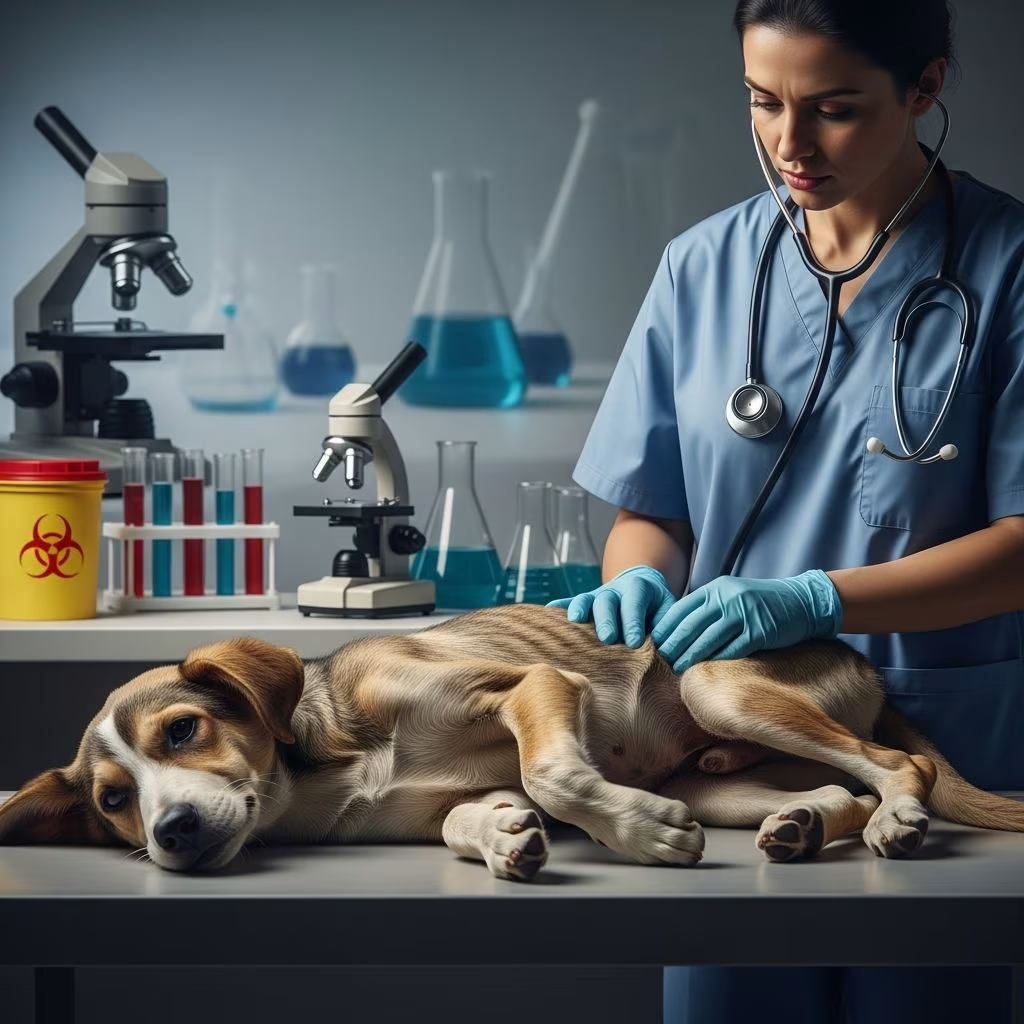
Canine parvovirus, commonly known as parvo, triggers intense concern among dog owners due to its rapid spread and potential fatality, particularly in young pups. While recovery from an initial infection typically confers strong immunity against the same viral strain, questions persist about reinfection possibilities, especially with emerging variants.
Understanding the Nature of Canine Parvovirus
Parvovirus is a robust DNA virus that targets rapidly dividing cells in a dog’s body, primarily affecting the gastrointestinal tract and bone marrow. It spreads easily through direct contact with infected feces or contaminated surfaces like bowls, toys, or soil. Environments such as dog parks, boarding facilities, and shelters serve as common transmission hotspots because the virus survives for months in favorable conditions.
Young puppies under six months face the greatest danger since their immune systems are immature. Maternal antibodies from colostrum offer temporary protection, but this wanes, creating a vulnerability window if vaccination timing misses the mark. Adult dogs, though less prone, can still contract it if unvaccinated or exposed to high viral loads.
- Key transmission routes: Fecal-oral contact, contaminated objects, and indirect spread via human handlers.
- Survival in environment: Up to a year on surfaces, resistant to many disinfectants.
- High-risk groups: Unvaccinated puppies, immunocompromised adults.
Immunity After Parvo Recovery: Does It Last?
Dogs that survive a parvo infection generally develop robust, strain-specific immunity lasting years or even a lifetime. The body’s immune response produces antibodies and memory cells that recognize and neutralize the virus upon re-exposure to the identical strain. Veterinary experts confirm that fully recovered or vaccinated dogs rarely succumb to the same parvovirus type again.
However, nuances arise with viral evolution. New strains, like CPV-2a, 2b, and 2c, have emerged, potentially evading prior immunity. While cross-protection exists between strains due to vaccine formulations covering multiple variants, absolute prevention isn’t guaranteed in all cases. Puppies recovering early in life may carry altered gut microbiomes, influencing long-term resilience.
| Immunity Type | Duration | Protection Level |
|---|---|---|
| Post-Infection | Lifelong against same strain | High, partial against variants |
| Vaccination-Induced | 3-10+ years | Excellent against common strains |
| Maternal Antibodies | Weeks to months | Temporary, interferes with vaccines |
Long-Term Health Consequences for Survivors
Even with survival, parvo leaves lasting marks. Research indicates dogs recovering from clinical parvovirus as puppies have a significantly elevated risk—over five times higher—of chronic gastrointestinal disorders later in life. These include recurring diarrhea, poor nutrient absorption, and inflammatory conditions mimicking irritable bowel issues.
The virus destroys intestinal crypt cells, disrupting the gut barrier and microbiota balance. Antibiotic treatments during acute phases may exacerbate dysbiosis. Studies show 42% of survivors develop ongoing GI problems versus 12% in controls, often managed through diet but prone to relapse without maintenance.
- Common sequelae: Chronic diarrhea (63% diet-responsive), weight loss, food sensitivities.
- Risk factors: Early infection age, severe initial episode.
- Management: Probiotics, hydrolyzed diets, regular vet monitoring.
Bone marrow suppression can delay immune rebound, heightening secondary infection risks for weeks post-recovery. Owners must isolate survivors and disinfect thoroughly, as shedding persists up to two months.
Vaccination: The Cornerstone of Prevention
Vaccines remain the gold standard against parvo, stimulating immunity without disease risk. Core protocols start at six-eight weeks, with boosters at 10-12 weeks and 14-16 weeks to overcome maternal antibody interference. Annual or triennial boosters maintain protection in adults.
Modern vaccines target CPV-2, 2a, 2b, and 2c, offering broad coverage. Fully vaccinated dogs boast near-100% efficacy. High-risk scenarios, like shelter adoptions or outbreak zones, warrant titer testing to confirm immunity before exposure.
- Consult vet for breed-specific schedules.
- Avoid high-risk areas pre-full vaccination.
- Booster unvaccinated adults promptly.
Recognizing and Responding to Parvo Symptoms
Early detection boosts survival from under 10% untreated to over 90% with intensive care. Watch for lethargy, appetite loss, fever, and profuse bloody diarrhea within 3-10 days of exposure. Vomiting and dehydration follow rapidly, risking septic shock.
Immediate vet intervention involves IV fluids, anti-emetics, antibiotics for secondary bacteria, and plasma transfusions. No antiviral cures exist; support stabilizes until immunity clears the virus. Costs range from $1,000-$5,000 depending on severity.
- Red flags: Dark/tarry stool, abdominal pain, collapse.
- Home first aid: Withhold food, offer ice chips, rush to clinic.
Environmental Control and Disinfection Strategies
Parvo’s tenacity demands rigorous cleanup. Bleach (1:30 dilution) on non-porous surfaces, followed by rinsing, eradicates it. Steam cleaning carpets, washing fabrics in hot bleach cycles, and discarding porous items minimize residues.
Quarantine infected dogs for at least two weeks. Handlers must change clothes, shoes, and wash hands meticulously. Introducing new pets requires full vaccination series completion and parvo-free certification.
Special Considerations for Puppies and High-Risk Breeds
Puppies represent 80-90% of cases due to the ‘critical window’ between maternal immunity fade and vaccine efficacy. Breeds like Rottweilers, Dobermans, and Pit Bulls show genetic susceptibility, per outbreak data.
Adopting post-parvo recovery dogs? Wait until vet-cleared, ensure disinfection, and vaccinate contacts. Shelters often test environments pre-repopulation.
FAQs About Canine Parvovirus
Can a vaccinated dog still get parvo?
Rarely, due to vaccine failure from maternal interference or rare strains, but severity is milder.
How long is a dog contagious after parvo?
Up to two months in feces, though peak shedding occurs first two weeks.
Is parvo fatal in adult dogs?
Less common than in pups, but unvaccinated adults can suffer severe illness.
Can humans transmit parvo to dogs?
No direct transmission, but carriers on shoes/clothing spread it mechanically.
What disinfectants kill parvo?
1:30 bleach, accelerated hydrogen peroxide products; avoid ammonia/quat-only cleaners.
Protecting Your Pack: Actionable Steps for Owners
Proactive measures shield against parvo’s toll. Maintain vaccination records, scout environments, and educate on symptoms. Community-wide vaccination curbs outbreaks, benefiting all.
For survivors, lifelong monitoring prevents complications. Nutrition-focused diets and probiotics support gut health. Consult vets for tailored plans, especially multi-dog homes.
Parvo’s shadow looms, but knowledge and vigilance empower owners. Vaccinate diligently, disinfect smartly, and act swiftly—your dog’s future depends on it.
References
- Long-term effects of canine parvovirus infection in dogs — PMC/NCBI. 2018-03-07. https://pmc.ncbi.nlm.nih.gov/articles/PMC5856261/
- Canine Parvovirus Infection (Parvoviral Enteritis in Dogs) — Merck Veterinary Manual. 2023. https://www.merckvetmanual.com/digestive-system/infectious-diseases-of-the-gastrointestinal-tract-in-small-animals/canine-parvovirus-infection-parvoviral-enteritis-in-dogs
- Canine parvovirus — American Veterinary Medical Association (AVMA). 2024. https://www.avma.org/resources-tools/pet-owners/petcare/canine-parvovirus
- Can A Dog Get Parvovirus Twice? — Phoenix Veterinary Center. 2023. https://phoenixvetcenter.com/blog/1034584-can-a-dog-get-parvovirus-twice
- What to Know: Adopting a Dog After Parvovirus — PetMD. 2024. https://www.petmd.com/dog/care/what-know-adopting-dog-after-parvovirus



