

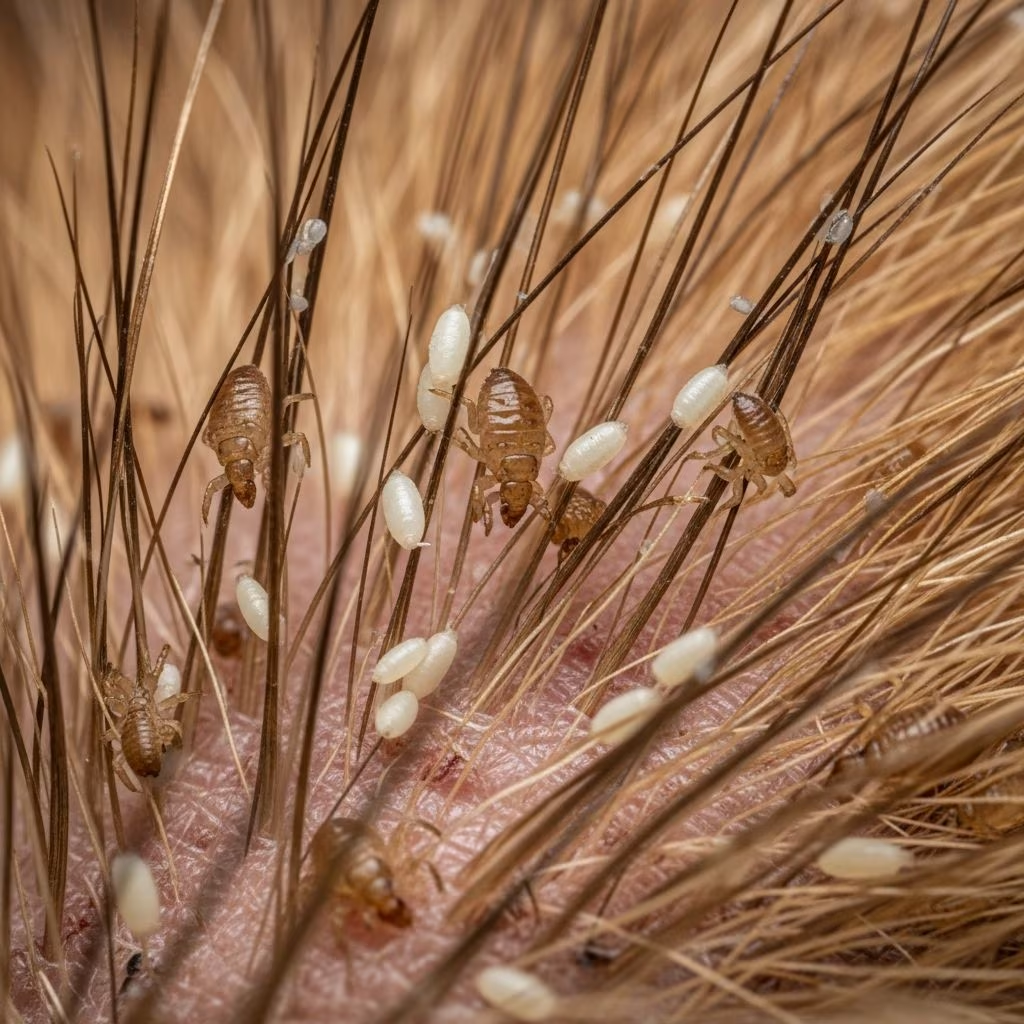
Can Dogs Get Lice? A Comprehensive Guide
Yes, dogs can definitely get lice, and it’s a more common parasitic problem than many pet owners realize. Lice infestations in dogs are readily treatable when caught early, but understanding the symptoms, treatment options, and prevention strategies is essential for maintaining your canine companion’s health and comfort. Unlike human lice, dog lice are species-specific parasites that cannot be transmitted to humans, but they can spread rapidly between dogs through direct contact or contaminated grooming tools.
Understanding Dog Lice: What You Need to Know
Dog lice are small parasitic insects that live on your dog’s skin and coat. These parasites feed on skin debris, sebaceous secretions, or blood, depending on the species. There are two main types of lice that affect dogs: biting lice (mallophages) and sucking lice (anoplura). Most lice infestations in dogs involve biting lice, which are more common than sucking lice. The lifecycle of lice includes eggs (nits), nymphs, and adults, with the entire cycle taking approximately two to three weeks to complete. This lifecycle is important to understand because it impacts how long treatment must continue to be effective.
Recognizing the Symptoms of Lice in Dogs
Identifying lice infestation early can significantly reduce discomfort for your dog and make treatment more straightforward. The symptoms of lice in dogs are often quite noticeable and can vary in severity depending on the extent of the infestation.
Common signs and symptoms include:
- Intense itchiness – Often the first sign pet owners notice, with dogs frequently scratching affected areas
- Excessive scratching and biting – Your dog may scratch so intensely that they create small wounds on their skin
- Hair loss (alopecia) – Particularly around the ears, neck, shoulders, groin, and rectal regions where lice tend to congregate
- Rough and dry coat – The fur may appear dull, matted, or lack its normal shine
- Visible white flecks – You may notice small white specks in your dog’s fur, which are lice eggs or actual lice
- Crusting and scaling – The skin may develop crusty patches or scaly areas
- Small wounds and sores – Secondary skin lesions from excessive scratching
- Restless behavior – Your dog may appear anxious or unable to settle comfortably
- Bacterial infections – Secondary infections can develop from scratching, requiring additional treatment
In severe cases, particularly with sucking lice that feed on blood, your dog may develop anemia or other systemic complications. If you notice any of these symptoms, it’s important to consult your veterinarian promptly for proper diagnosis and treatment.
Diagnosing Lice in Your Dog
Diagnosis of lice infestation is based on clinical signs and demonstration of the louse or its eggs through examination. Your veterinarian will perform a thorough physical examination of your dog’s skin and coat. They may use a flea comb or magnifying glass to identify live lice, nymphs, or eggs (nits) on the hair shafts. In some cases, your vet might take skin scrapings or use other diagnostic methods to rule out other conditions that cause similar symptoms, such as fleas, mites, or allergies. Early diagnosis ensures that treatment can begin promptly and help prevent the infestation from worsening.
Treatment Options for Dogs with Lice
Treating lice in dogs requires a multi-step approach that addresses both the adult lice and the eggs. The good news is that lice are readily treated with many products, and most parasites are eliminated within 2-7 days with appropriate medication, though complete eradication takes longer.
Step-by-Step Treatment Protocol
- Clip matted hair – Begin by removing heavily matted or thick hair from your dog’s coat. Lice and eggs attach firmly to hair and are difficult to dislodge, so clipping helps expose the skin to topical treatments and improves medication efficacy.
- Use flea combs to remove parasites – After clipping, use a fine-tooth flea comb to remove live and dead lice from the remaining coat. After combing, immerse the comb in water mixed with flea shampoo or insecticide for at least 10 minutes to kill any parasites and prevent reinfestation.
- Apply prescription insecticide medication – Your veterinarian will prescribe appropriate medication, which may be topical or oral. It’s crucial to ask your vet which products are safe for your specific dog, considering its health, breed, age, and any other pets in your household.
- Consider fur shaving in severe cases – In particularly severe infestations, your veterinarian may recommend completely shaving your dog’s fur to expose the skin and ensure topical treatments reach all areas.
- Repeat treatment at regular intervals – Because insecticides kill nymphs and adults but not eggs, you must repeat treatments for at least one month. Treatment is typically repeated at 2-4 week intervals, and in some cases, weekly treatments may be necessary to kill newly hatched nymphs before they mature.
- Treat all household dogs – If you have multiple dogs, all must be treated simultaneously, even if only one shows symptoms.
- Deep clean the environment – Wash all bedding, clothing, leashes, and collars in hot water. Clean all areas where your dog spends time to prevent reinfestation.
- Replace grooming tools – It’s advisable to replace all grooming tools since it can be difficult to completely remove lice eggs from combs and brushes, even after thorough cleaning.
Effective Medication Options
Several classes of medications have proven effective against dog lice:
| Medication Type | Application Method | Frequency | Effectiveness |
|---|---|---|---|
| Selamectin (Revolution®) | Topical (spot-on) | Initial dose, repeat in 2-4 weeks | Very effective, often requiring just one dose with follow-up recommended |
| Fipronil (Frontline®) | Topical | Apply twice, 2-4 weeks apart | Highly effective for lice control |
| Imidacloprid | Topical or oral | As directed by veterinarian | Effective treatment option |
| Ivermectin | Oral or injection | Twice, separated by 2 weeks | Effective parasiticide |
| Lime sulphur dips | Topical dip | Applied twice, 2 weeks apart | Traditional effective treatment |
| Insecticidal collars (Seresto®) | Collar | Continuous wear | Provides ongoing protection |
| Topical permethrin | Topical | As directed | Good effect on dogs; not safe for cats |
Important considerations: Always consult your veterinarian before applying any treatment, as some products that are safe for dogs can be toxic to cats and other animals. Your vet will recommend the most appropriate option based on your dog’s individual health profile, age, breed, and concurrent medications.
Treating Secondary Infections and Complications
When lice infestations are severe, dogs may develop secondary bacterial skin infections from constant scratching and open wounds. Your veterinarian may need to prescribe antibiotics or additional treatments for these complications. In rare cases of severe infestation with sucking lice, dogs can develop anemia and may require hospitalization for intensive care and supportive treatment. Addressing these secondary issues is just as important as eliminating the lice themselves.
Prevention Strategies for Lice in Dogs
Preventing lice infestations is far easier than treating them. Several proactive measures can significantly reduce your dog’s risk of contracting lice:
- Monthly preventive medications – Monthly applications of broad-spectrum antiparasitic medications, such as those containing fipronil, imidacloprid, or selamectin, will control both fleas and lice. These are often the same products used for flea prevention, making them convenient.
- Maintain good hygiene – Regular bathing and grooming with quality shampoos help keep your dog’s skin and coat healthy and make infestation detection easier.
- Regular grooming – Brush your dog’s coat regularly with clean tools. This helps you spot any potential parasites early and removes debris and dead skin that might harbor lice.
- Clean grooming tools frequently – After each use, clean and disinfect combs, brushes, clippers, and other grooming tools to prevent transmission between dogs.
- Wash bedding regularly – Clean your dog’s bedding frequently in hot water and dry in a hot dryer, as heat kills lice and their eggs.
- Avoid contact with infested animals – Keep your dog away from other dogs known to have lice or parasitic infections.
- Screen new dogs – If introducing a new dog to your household, have them examined and treated if necessary before allowing contact with your other pets.
- Quarantine infected pets – Keep infested dogs separated from other animals for at least four weeks after treatment begins.
Can Dogs Get Lice from Humans?
One common concern among pet owners is whether dog lice can be transmitted to humans or vice versa. The answer is reassuring: dogs cannot get lice from humans, and humans cannot get lice from dogs. Lice are species-specific parasites, meaning that human lice only infect humans, and dog lice only infect dogs. This means you don’t need to worry about catching lice from your infected dog, nor will human lice cause problems for your canine companion. However, it’s still important to practice good hygiene when handling an infested dog, particularly if you have open cuts or wounds.
When to Contact Your Veterinarian
You should contact your veterinarian if you notice any signs of lice infestation in your dog. Don’t attempt to self-diagnose or treat without professional guidance, as misdiagnosis could delay effective treatment. Additionally, seek immediate veterinary care if your dog develops severe symptoms such as signs of anemia, extensive secondary infections, restless behavior that prevents sleep, or apparent systemic illness. Your veterinarian can provide accurate diagnosis and prescribe the most appropriate treatment for your dog’s specific situation.
Frequently Asked Questions About Dog Lice
Q: How long does it take to get rid of lice on a dog?
A: Most parasites are eliminated within 2-7 days of starting appropriate treatment with insecticides. However, because eggs are not killed by these medications and the lifecycle takes 2-3 weeks, you must continue treatment for at least one month to ensure all newly hatched nymphs are eliminated before they reproduce.
Q: Are dog lice contagious to other dogs?
A: Yes, dog lice are highly contagious between dogs through direct contact or contaminated grooming tools, bedding, and other fomites. All dogs in a household must be treated simultaneously to prevent reinfestation.
Q: Can I catch lice from my dog?
A: No, dog lice cannot infect humans because they are species-specific parasites. You cannot catch lice from your dog, nor can you transmit human lice to your dog.
Q: What’s the best way to prevent lice in dogs?
A: Monthly preventive medications that control fleas also prevent lice, regular grooming with clean tools, maintaining good hygiene, washing bedding frequently, and avoiding contact with infested animals are the most effective prevention strategies.
Q: Can I use cat flea treatments on my dog to prevent lice?
A: Only if your veterinarian specifically recommends a product as safe for both species. Many dog lice treatments are toxic to cats, so always consult your vet before using any product if you have cats in your household.
Q: Should I shave my dog’s entire coat to treat lice?
A: Complete shaving is generally reserved for severe infestations where other methods haven’t worked effectively. Your veterinarian will recommend this approach only when necessary, as most cases respond well to medication and targeted hair clipping in affected areas.
References
- Symptoms and Treatment of Lice in Dogs — FirstVet. https://firstvet.com/us/articles/symptoms-and-treatment-of-lice-in-dogs
- Lice In Dogs: Symptoms, Treatment And Prevention — Kingsdale Animal Hospital. https://www.kingsdale.com/lice-in-dogs-symptoms-treatment-and-prevention
- Lice on Dogs: Signs, Symptoms, Treatments — American Kennel Club. https://www.akc.org/expert-advice/health/lice-on-dogs/
- Lice in Dogs — PDSA. https://www.pdsa.org.uk/pet-help-and-advice/pet-health-hub/conditions/lice-in-dogs
- Lice – Companion Animal Parasite Council — CAPC. https://capcvet.org/guidelines/lice/
- Can Dogs Get Lice From Children? — Taconic Veterinary Center. https://taconicvet.com/blog/can-dogs-get-lice-from-children/



