

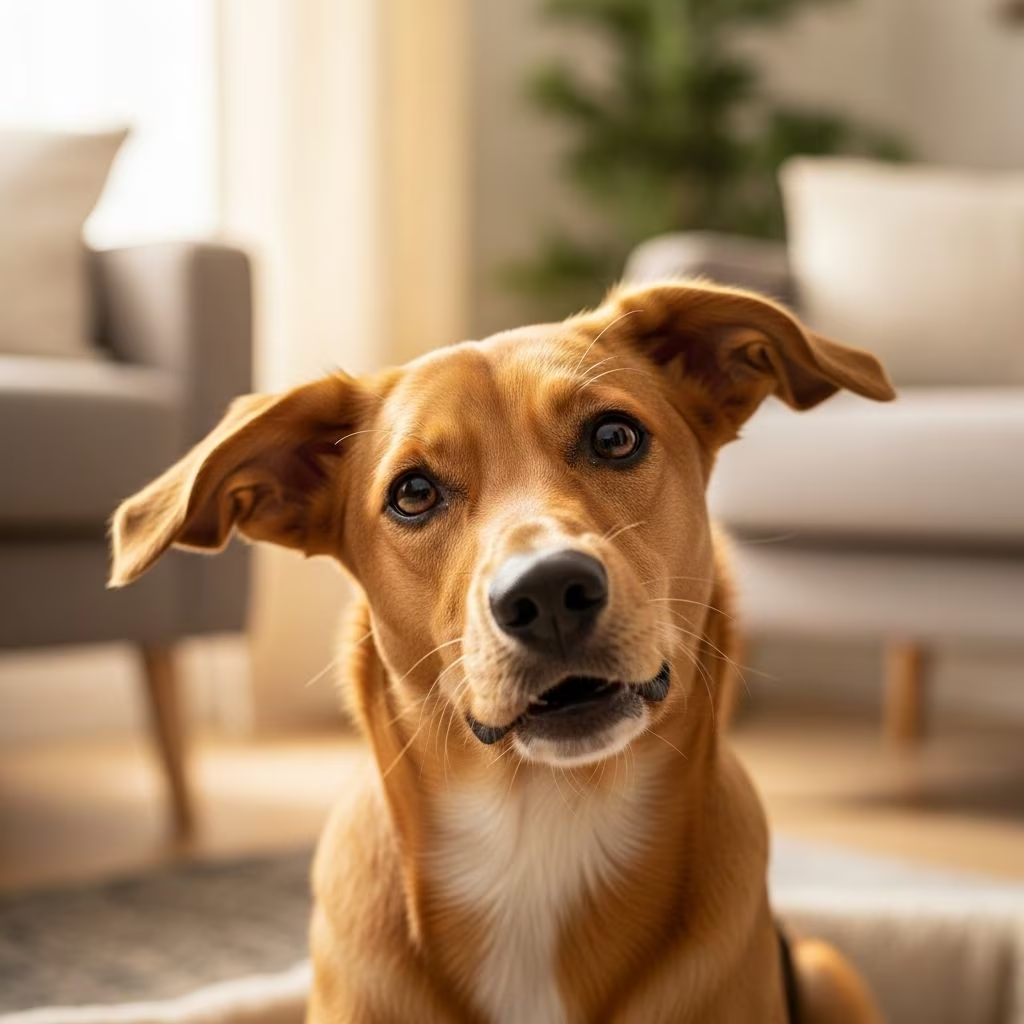
Can Dogs Get Hiccups?
Yes, your dog can definitely get hiccups! If you’ve ever heard your furry companion make those adorable little \”hic\” sounds, you’ve witnessed one of the cutest pet behaviors. Hiccups are common in virtually all mammals, including dogs, and they’re typically nothing to worry about. While hiccups are much more common in puppies than adult dogs, dogs of any age can experience them occasionally. Understanding what causes dog hiccups and how to respond can help you care for your pet better and know when professional help might be needed.
What Exactly Are Dog Hiccups?
Dog hiccups work the same way human hiccups do. They’re caused by an involuntary contraction of the diaphragm, the muscular tissue that separates your dog’s abdomen from their chest cavity. The diaphragm is crucial for breathing because it expands the chest cavity and draws air into the lungs when it contracts.
When your dog hiccups, here’s what happens: the diaphragm suddenly contracts involuntarily, causing your dog to inhale air rapidly. This sudden intake of air is then cut off when the glottis (the opening between the vocal cords in the voice box) closes abruptly. This closure creates the characteristic \”hic\” sound that makes dog hiccups so distinctive and endearing. The contraction of the diaphragm may repeat continuously, resulting in a series of hiccups.
Why Do Dogs Get Hiccups? The Scientific Perspective
Scientists don’t actually know for certain why humans, dogs, and other mammals hiccup. However, researchers have developed several theories to explain this phenomenon.
The Developmental Theory
One compelling theory suggests that hiccups are a leftover from when mammals were developing in the womb. Researchers have documented fetal hiccups in many mammalian species, including dogs. The hypothesis is that hiccuping in utero serves as a way of test-driving the breathing muscles, helping them develop and function properly before birth. This theory might explain why dog hiccups are much more common in puppies than in adult dogs. As your puppy gets older, they likely will hiccup less frequently, or not at all, because their breathing muscles are fully developed.
The Gas Relief Theory
Another popular theory is that hiccups are your puppy’s way of relieving gas or an upset stomach. This explanation suggests that hiccups serve a digestive function, helping to expel excess air from the stomach, similar to how a burp works. This theory aligns with the observation that eating too quickly often triggers hiccups in dogs.
Common Triggers for Dog Hiccups
While the ultimate cause of hiccups remains somewhat mysterious, veterinarians and pet experts have identified several common triggers that tend to cause hiccups in dogs. Understanding these triggers can help you prevent hiccups and manage them when they occur.
Eating or Drinking Too Quickly
One of the primary causes of dog hiccups is rapid eating or drinking. When a dog gulps down food or water too fast, they swallow air along with it. This excess air can irritate the diaphragm, leading to hiccups. This is especially common in puppies, who are often excited about mealtime and eat too quickly. The rapid intake of food causes aerophagia (sudden air intake), which leads to stomach distention and irritates the diaphragm, forcing it to contract.
Excitement and Stress
Stress and over-excitement can cause your dog to hiccup because these emotional states affect heart rate and cortisol levels in their body. When these levels rise, they irritate the diaphragm. Additionally, when dogs are excited or stressed, they may take shorter and shallower breaths, breathing through their chest instead of using their diaphragm properly. This abnormal breathing pattern can trigger hiccups.
Temperature Changes
Sudden changes in temperature can also cause hiccups in dogs. Drinking very cold water or being exposed to chilly air can affect the diaphragm, leading to spasms. Similarly, consuming overly hot foods can irritate the esophagus. This is why some dogs get hiccups after consuming icy water or spending time outside in cold weather.
Overexertion and Heavy Breathing
After vigorous exercise, a dog may breathe heavily to recover, and this rapid change in breathing patterns can contribute to hiccups. Dogs who pant excessively after playtime may experience hiccups as their diaphragm reacts to their increased breathing rate and the body’s attempt to regulate oxygen levels.
Irritating Foods
Certain foods can cause hiccups in dogs. Spicy foods, for example, contain capsaicin that stimulates neuron activity in the diaphragm, resulting in contractions that cause hiccuping. Some foods produce excess gas in your dog and can cause them to hiccup. Many high-grain foods have also been shown to precipitate hiccups in dogs. Additionally, very cold water that affects the esophagus may trigger your dog’s diaphragm to spasm.
Hiccups in Puppies vs. Adult Dogs
Puppies experience hiccups much more frequently than adult dogs. This difference is likely related to the developmental theory mentioned earlier. Puppies’ breathing muscles are still relatively new and developing, so the reflex that causes hiccups remains strong in their muscle memory. As dogs mature and their breathing muscles fully develop, the frequency of hiccups typically decreases significantly. Many adult dogs rarely or never experience hiccups at all.
When Dog Hiccups Are Normal and Harmless
In most cases, dog hiccups are completely harmless and nothing to worry about. They typically go away on their own very quickly, especially once you identify and fix the underlying cause. If your dog got hiccups after eating too fast, simply ensuring they eat more slowly in the future should prevent future episodes. If the hiccups resulted from excitement or temperature changes, they’ll likely resolve naturally within a few minutes.
When to Be Concerned About Dog Hiccups
While hiccups are usually harmless, there are rare occasions when they can be related to medical conditions that require veterinary attention.
Medical Conditions Associated with Hiccups
Several health issues can cause persistent hiccups in dogs:
- Respiratory Issues: Asthma and other respiratory conditions such as kennel cough can cause hiccups, often because of heavy or labored breathing that leads to swallowing air.
- Pneumonia and Heart Disease: These serious conditions can cause hiccups since they often have coughing as a symptom.
- Heatstroke: This life-threatening condition can cause dog hiccups because it can affect all muscles of the body, including the diaphragm.
- Nausea and Upset Stomach: Since the stomach sits just below the diaphragm, nausea and other signs of digestive distress can cause hiccups.
- Rapid or Heavy Breathing: Hyperventilation or heavy breathing from various causes can trigger hiccups.
Signs You Should Contact Your Veterinarian
While occasional hiccups are normal, you should contact your veterinarian if your dog experiences:
- Persistent hiccups that last more than a few hours
- Frequent hiccup episodes occurring multiple times daily
- Hiccups accompanied by other symptoms like coughing, letharness, loss of appetite, or difficulty breathing
- Hiccups in conjunction with signs of distress or discomfort
- Any change in your dog’s normal behavior alongside hiccups
How to Help Your Dog When They Have Hiccups
While most hiccups resolve on their own, here are some strategies that may help your dog feel more comfortable:
Slow Down Mealtime
If your dog tends to eat too quickly, use slow-feeder bowls designed to encourage slower eating. You can also portion out meals into smaller amounts given at intervals. Elevating the food bowl slightly can also help promote slower, more controlled eating.
Provide Water Gradually
Ensure your dog has access to room-temperature water rather than extremely cold water. If your dog tends to drink too quickly, consider using a water bowl that limits intake or provide water in small quantities.
Manage Excitement Levels
Try to keep your dog calm during meals and after vigorous play. A quiet environment during feeding time can help prevent excitement-related hiccups. Similarly, allowing your dog adequate recovery time after exercise before giving them water or food may help prevent hiccups.
Avoid Irritating Foods
Keep spicy foods, high-grain foods, and foods that produce excess gas away from your dog’s diet. Stick to a consistent, high-quality dog food that agrees with your pet’s digestive system.
Frequently Asked Questions About Dog Hiccups
Q: Are dog hiccups painful?
A: No, dog hiccups are not painful. They may seem uncomfortable or annoying to your dog, but they don’t cause pain. The hiccups are simply involuntary muscle contractions.
Q: How long do dog hiccups typically last?
A: Most dog hiccups resolve on their own within a few minutes to a few hours. If hiccups persist longer than this, consult your veterinarian.
Q: Can I catch hiccups from my dog?
A: No, hiccups are not contagious. You cannot catch hiccups from your dog or any other person or animal.
Q: Why do puppies get hiccups more than adult dogs?
A: Puppies likely get hiccups more frequently because their breathing muscles are still developing. As dogs mature, the hiccup reflex becomes less active.
Q: Should I be worried if my dog never gets hiccups?
A: Not at all. Some dogs rarely or never experience hiccups, which is completely normal and nothing to worry about.
Q: What should I do if my dog’s hiccups won’t stop?
A: If your dog has persistent hiccups lasting several hours or accompanying other symptoms, contact your veterinarian. Prolonged hiccups can occasionally indicate an underlying health issue.
Conclusion
Dog hiccups are a normal, usually harmless phenomenon that most pet owners will encounter at some point, particularly if they have puppies. While the exact evolutionary purpose of hiccups remains a scientific mystery, understanding the common triggers can help you manage them and keep your dog comfortable. Most hiccups resolve on their own without any intervention, especially once you identify and address the underlying cause. By slowing down mealtime, managing your dog’s excitement levels, and avoiding temperature extremes and irritating foods, you can minimize hiccup episodes. However, if your dog experiences persistent or frequent hiccups accompanied by other symptoms, don’t hesitate to contact your veterinarian to rule out any underlying health concerns. Remember, those adorable little \”hic\” sounds are usually just your dog’s body doing what comes naturally!
References
- Can Dogs Get Hiccups? — American Kennel Club. Retrieved from https://www.akc.org/expert-advice/health/can-dogs-get-hiccups/
- Dog Hiccups: What They Mean — MetLife Pet Insurance. Retrieved from https://www.metlifepetinsurance.com/blog/pet-behavior/dog-hiccups-what-they-mean/
- Can Dogs Get Hiccups? Causes and Treatments — BARK. Retrieved from https://bark.co/blogs/health/can-dogs-get-hiccups
- Dog Hiccups: What Are They and How Do Dogs Get Them? — PetMD. Retrieved from https://www.petmd.com/dog/general-health/dog-hiccups
- Why Does My Dog Have Hiccups? — Veterinary Healthcare Associates. Retrieved from https://vhavets.com/blog/why-does-my-dog-have-hiccups/
- Dog Hiccups: Why Dogs Get Hiccups and How to Get Rid of Them — Sunset Anytime. Retrieved from https://sunsetanytime.com/blog/dog-hiccups/
- Can Dogs Get Hiccups? — Hill’s Pet Nutrition. Retrieved from https://www.hillspet.com/dog-care/healthcare/can-dogs-get-hiccups



