

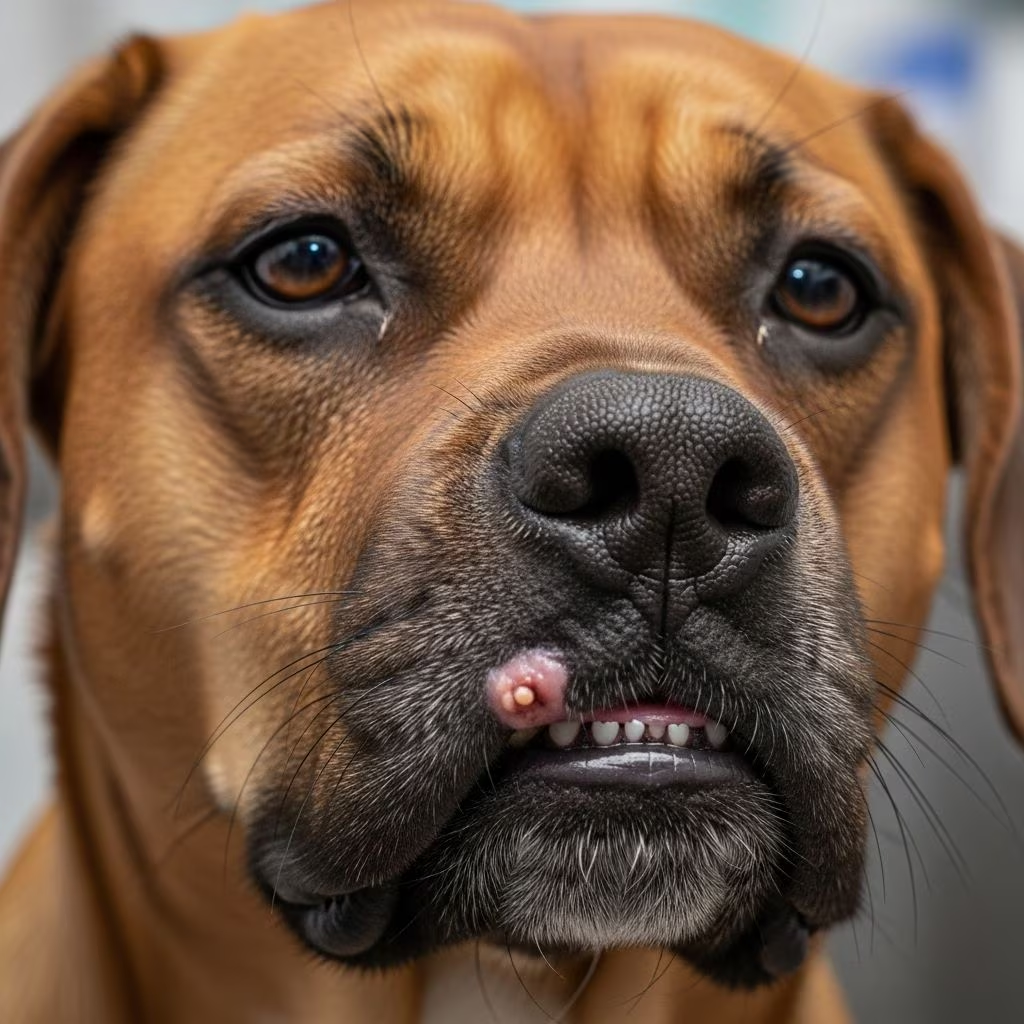
Canine herpesvirus (CHV), also known as dog herpes, is a common viral infection that impacts dogs of all ages but poses the greatest threat to newborns and young puppies. Unlike human herpes, CHV primarily causes respiratory issues in adults and can be fatal in neonates due to their immature immune systems and inability to regulate body temperature effectively. This virus spreads easily in environments like kennels and breeding facilities, making awareness crucial for responsible pet owners and breeders.
Understanding Canine Herpesvirus
CHV belongs to the herpesvirus family, which includes viruses that establish lifelong latent infections in their hosts. Once a dog contracts CHV, the virus integrates into nerve cells, remaining dormant until triggered by stress, illness, or immunosuppression. Surveys indicate seroprevalence rates ranging from 15% to 100% in dog populations, with higher rates in kenneled dogs compared to household pets. Adult dogs often carry the virus asymptomatically, shedding it intermittently through bodily fluids.
The virus thrives at temperatures below 37°C (98.6°F), which explains its lethality in puppies under three weeks old, whose body temperatures fluctuate and rarely exceed this threshold. In contrast, adult dogs maintain higher core temperatures around 38.5°C (101.3°F), inhibiting viral replication. Pregnant dogs can pass the virus transplacentally to fetuses or to newborns via infected vaginal secretions during birth.
Transmission Pathways in Dogs
CHV spreads through direct contact with infected secretions from the nose, mouth, genitals, or eyes. Common transmission routes include:
- Oral-nasal contact during sniffing or grooming.
- Sexual intercourse between infected adults.
- Mother-to-puppy via milk, birth canal, or licking.
- Shared environments like kennels, where contaminated bedding or bowls facilitate indirect spread.
Puppies born to infected mothers may acquire the virus in utero, leading to embryonic death, resorption, or stillbirths. Surviving littermates can become infected postnatally if the dam sheds virus during nursing. Breeders should isolate pregnant bitches from unfamiliar dogs to minimize exposure.
Symptoms Across Age Groups
Symptoms vary dramatically by age and immune status. Adult dogs typically experience subclinical or mild infections, while puppies face multisystemic disease.
Mild Signs in Adult Dogs
Most carrier adults show no symptoms or only transient upper respiratory issues resembling a cold. Observable signs include:
- Runny nose or eyes.
- Sneezing and coughing.
- Genital inflammation or lesions (vaginitis in females, balanoposthitis in males).
- Conjunctivitis or corneal ulcers.
- Occasional infertility or pregnancy loss.
Immunocompromised adults, such as those on chemotherapy, may develop severe respiratory distress or pneumonia.
Devastating Effects in Puppies
In neonates under four weeks, CHV causes ‘fading puppy syndrome,’ with mortality rates approaching 100% without intervention. Early signs appear 3-6 days post-exposure:
| Symptom | Description |
|---|---|
| Lethargy and weakness | Puppies become listless, cry persistently, and stop nursing. |
| Respiratory distress | Nasal discharge, coughing, pneumonia, shallow breathing. |
| Gastrointestinal issues | Diarrhea (gray/yellow soft stools), abdominal bloating, vomiting. |
| Cutaneous lesions | Rash, petechiae (red spots) on gums, belly, ears; vesicles on skin or mucosa. |
| Neurological signs | Seizures, encephalitis, shivering, restlessness. |
| Hypothermia | Cold to touch, as puppies fail to thermoregulate. |
Without prompt care, infected puppies succumb rapidly to disseminated infection affecting lungs, liver, kidneys, and brain.
Diagnosis Methods
Veterinarians diagnose CHV through clinical history, necropsy of deceased puppies, and lab tests. Key diagnostics include:
- PCR testing of swabs from lesions, secretions, or tissues to detect viral DNA.
- Serology (antibody titers) in blood to confirm exposure; rising titers indicate active infection.
- Viral isolation from organ samples in fatal puppy cases.
- Histopathology showing characteristic intranuclear inclusion bodies in affected tissues.
Differential diagnoses include canine distemper, parvovirus, or bacterial sepsis, necessitating comprehensive testing.
Treatment Approaches
Treatment success depends on age and disease stage. Neonatal therapy is often palliative due to rapid progression.
Supportive Care for Puppies
Immediate goals focus on stabilization:
- Maintain body temperature above 95°F using incubators or heat lamps—the virus inactivates at higher temperatures.
- Fluid therapy, dextrose for hypoglycemia, and nutritional support via tube feeding.
- Oxygen supplementation for respiratory distress.
- Antibiotics to combat secondary bacterial infections.
Experimental options include serum from recovered dams (containing neutralizing antibodies) administered prophylactically to exposed litters, or fostering to seropositive surrogates. Antivirals like acyclovir show limited efficacy and high cost.
Management in Adults
Mild cases resolve spontaneously. Symptomatic relief includes:
- Topical antivirals (idoxuridine, trifluridine) for ocular infections.
- Atropine eye drops for pain and spasm relief.
- Cough suppressants and anti-inflammatories for respiratory signs.
Severe genital lesions may require cleaning and antibiotics.
Prevention and Control Strategies
Prevention is paramount, as no cure eradicates latent CHV. Key measures include:
- Vaccination: Eurosilon® vaccine for bitches 3-5 weeks pre-breeding; boosts colostral antibodies protecting puppies. Not available in all regions.
- Breeding hygiene: Quarantine new dogs for 3 weeks; test breeding stock for antibodies.
- Neonatal care: Ensure colostrum intake within hours of birth for passive immunity; maintain whelping areas at 95°F+.
- Kennel protocols: Disinfect with bleach (1:32 dilution), avoid overcrowding, separate age groups.
Breeding from seronegative pairs reduces risk but isn’t foolproof, as latent carriers exist. Seropositive dams provide protective antibodies via colostrum.
FAQs on Canine Herpesvirus
Is dog herpes contagious to humans? No, CHV is species-specific and does not infect people or other pets.
Can a vaccinated dog still get CHV? Vaccines reduce shedding and puppy mortality but do not prevent infection entirely.
How long does CHV shedding last? Intermittent lifelong shedding, peaking during stress or estrus.
What if only one puppy in the litter is affected? Isolate survivors, provide supportive care; the entire litter may be exposed.
Is CHV the same as canine distemper? No, distinct viruses; CHV lacks fever and neurological primacy of distemper.
Long-Term Implications for Infected Dogs
Surviving puppies develop lifelong immunity but carry latent virus. Adults remain carriers, potentially transmitting during breeding seasons. Recurrent ocular or genital flares can occur under stress. Regular veterinary monitoring benefits breeding dogs, with annual serology advising pairing strategies.
Owners should report fading puppies or recurrent mild illnesses promptly. Public education curbs kennel outbreaks, protecting vulnerable neonates.
References
- Canine Herpesvirus: Causes, Symptoms, and Treatments — American Kennel Club. 2023-05-15. https://www.akc.org/expert-advice/health/canine-herpesvirus/
- Canine Herpesvirus – Causes, Diagnosis and Treatment — PetMD. 2024-02-10. https://www.petmd.com/dog/conditions/infectious-parasitic/canine-herpesvirus-causes-diagnosis-and-treatment
- Herpesvirus in Dogs — VCA Animal Hospitals. 2023-11-20. https://vcahospitals.com/know-your-pet/herpesvirus-in-dogs
- Canine Herpes Virus — WebMD. 2024-01-08. https://www.webmd.com/pets/dogs/canine-herpes-virus
- Canine Herpes Virus Infection in Dogs — WagWalking. 2023-09-12. https://wagwalking.com/condition/canine-herpes-virus-infection
- Dog Herpes & Canine Herpesvirus — Vets Now. 2023-07-05. https://www.vets-now.com/pet-care-advice/canine-herpesvirus/
- Canine Herpesvirus — MSD Veterinary Manual. 2025-01-15. https://www.msdvetmanual.com/dog-owners/disorders-affecting-multiple-body-systems-of-dogs/canine-herpesvirus



