

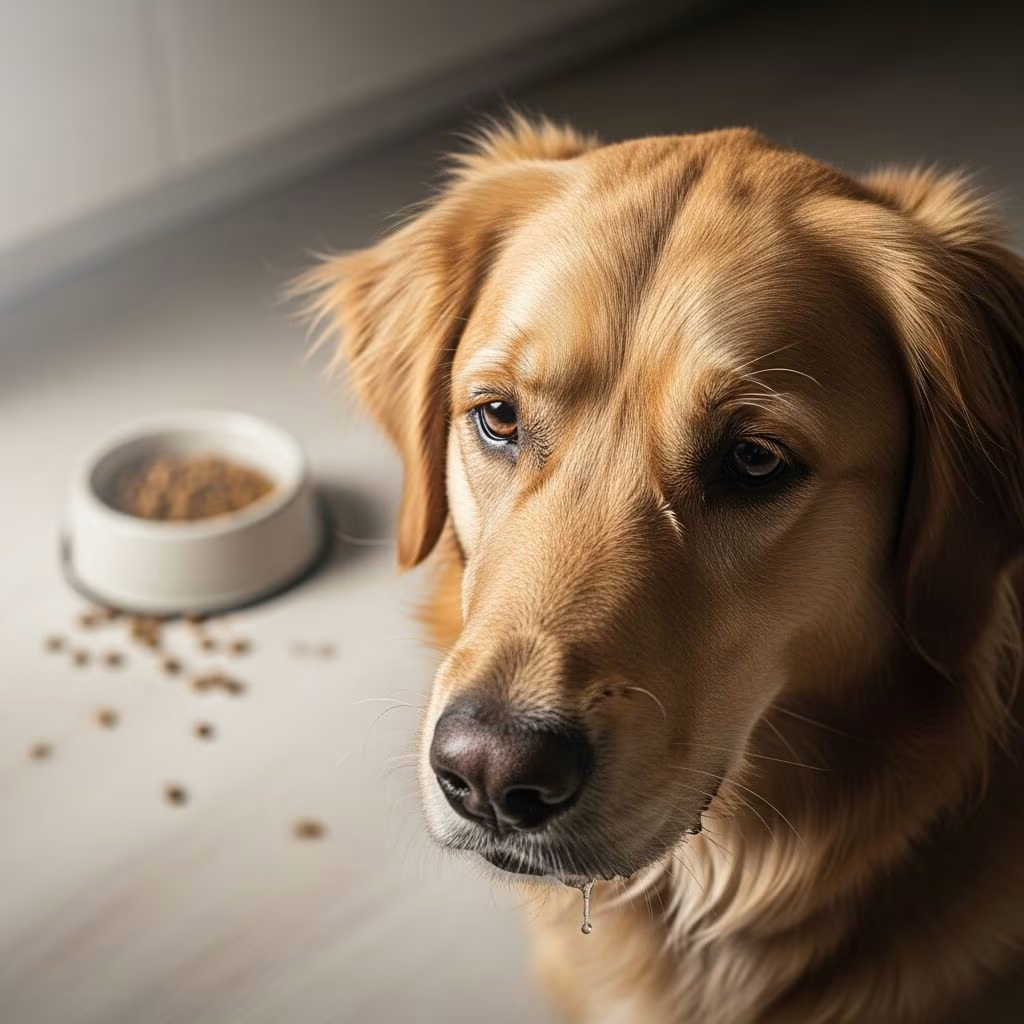
Dogs can indeed experience food poisoning, similar to humans, but their symptoms and responses often differ due to their unique digestive systems and sensitivities to certain substances. This condition arises when they ingest contaminated food, harmful bacteria, or toxic items, leading to gastrointestinal distress and potentially severe health complications. Understanding the risks helps pet owners act swiftly to protect their companions.
Understanding Food Poisoning in Canines
Food poisoning in dogs, often called acute gastroenteritis or toxicity, occurs when harmful pathogens or toxins enter their system through ingestion. Unlike humans who might suffer from brief stomach upset, dogs can face rapid dehydration and organ strain due to their faster metabolism. Common triggers include spoiled pet food harboring bacteria like Salmonella or E. coli, which thrive in improperly stored kibble or raw diets.
Additionally, everyday human foods pose dangers; items like chocolate, grapes, onions, or xylitol-containing products trigger poisoning-like effects. Aflatoxins from moldy grains represent another threat, potentially causing liver damage over time. Puppies, seniors, and dogs with weakened immunity face higher risks, as their bodies struggle more against invaders.
Common Culprits Behind Canine Food Poisoning
Several factors contribute to this ailment. Here’s a breakdown:
- Bacterial Contaminants: Salmonella, E. coli, and Campylobacter bacteria contaminate raw meats, undercooked foods, or garbage. These pathogens inflame the gut lining, causing explosive diarrhea and fever.
- Toxic Foods: Chocolate’s theobromine, grapes’ unknown compound, and avocados’ persin disrupt normal functions, mimicking poisoning symptoms.
- Mold Toxins: Aflatoxins in peanuts, corn, or poor-quality pet food lead to jaundice and appetite loss.
- Chemicals and Plants: Ingestion of rodenticides, antifreeze (ethylene glycol), or toxic plants like lilies adds neurological risks.
| Cause | Examples | Primary Impact |
|---|---|---|
| Bacteria | Salmonella, E. coli | Gut inflammation, dehydration |
| Toxins | Chocolate, grapes | Organ stress, seizures |
| Mold | Aflatoxins | Liver damage |
| Chemicals | Antifreeze, rodenticides | Bleeding, kidney failure |
Recognizing the Warning Signs
Early detection saves lives. Symptoms typically appear within hours of ingestion, varying by toxin type and dog size. Watch for:
- Gastrointestinal Distress: Frequent vomiting (possibly bloody), watery or bloody diarrhea, excessive drooling.
- Behavioral Changes: Lethargy, weakness, loss of appetite, huddled posture indicating abdominal pain.
- Systemic Effects: Fever, dehydration (dry gums, sunken eyes), tremors, seizures, or collapse in severe cases.
- Other Indicators: Increased thirst/urination (kidney involvement), jaundice (yellow gums), pale mucous membranes.
Mild cases might resolve with rest, but persistent vomiting beyond 24 hours or neurological signs demand immediate action.
Immediate Response: What to Do First
Act quickly but calmly. Steps include:
- Remove Access: Confine your dog and eliminate suspect food or substances.
- Hydrate: Offer small amounts of fresh water frequently to combat dehydration. Ice cubes work for reluctant drinkers.
- Fast Temporarily: Withhold food for 12-24 hours if vomiting occurs, then introduce bland meals like boiled rice and chicken.
- Monitor Closely: Track symptoms, noting onset time, frequency, and stool/vomit details for the vet.
Never induce vomiting at home without vet guidance, as some toxins (e.g., corrosives) worsen with this. Avoid human meds like Pepto-Bismol, which can harm dogs.
Professional Veterinary Interventions
When symptoms escalate—repeated vomiting, blood in stool, seizures, or lethargy lasting over 24 hours—rush to a vet. Treatments focus on support:
- Fluid Therapy: IV or subcutaneous fluids restore hydration and electrolytes.
- Medications: Antiemetics (e.g., Cerenia) stop vomiting; antibiotics target bacterial causes; activated charcoal binds toxins.
- Diagnostics: Bloodwork, fecal tests, X-rays identify the culprit.
- Specialized Care: For aflatoxins or rodenticides, liver protectants or blood transfusions may be needed.
Prognosis is excellent for early intervention; delays risk kidney/liver failure.
Prevention Strategies for a Safer Home
Proactive measures minimize risks:
- Food Safety: Store kibble in airtight containers; check expiration dates; avoid raw diets unless vet-approved.
- Toxic Item Control: Keep trash secured, human foods elevated, chemicals locked away.
- Training: Teach “leave it” commands; supervise outdoors.
- Regular Checkups: Vaccinations and deworming bolster immunity.
Recall alerts for contaminated pet food—check FDA sites regularly.
Breed and Age Vulnerabilities
Not all dogs react equally. Small breeds like Chihuahuas succumb faster to toxins due to body weight. Puppies and elders, with immature or declining immunity, suffer worse from E. coli or Salmonella. brachycephalic breeds (e.g., Bulldogs) dehydrate quicker from vomiting.
Long-Term Effects and Recovery
Most recover fully in 2-3 days with care, resuming normal diets gradually. Chronic cases from aflatoxins may require lifelong liver monitoring. Post-recovery, probiotics aid gut flora restoration.
Frequently Asked Questions (FAQs)
Can dogs get food poisoning from their own kibble?
Yes, contaminated commercial food can carry Salmonella or aflatoxins, causing illness. Always buy from reputable sources and watch for recalls.
How long do symptoms last in dogs?
Mild cases resolve in 24-48 hours; severe ones need days of vet care. Persistent symptoms beyond 24 hours warrant a visit.
Is yogurt safe for a dog with food poisoning?
Plain, unsweetened yogurt can soothe mild upset due to probiotics, but consult a vet first, especially if lactose intolerant.
What if my dog ate garbage?
Monitor for 24 hours; vomiting/diarrhea means vet time. Garbage gut often stems from bacteria in spoiled waste.
Can food poisoning be fatal?
Rarely in treated cases, but untreated dehydration or toxins like antifreeze can be deadly. Seek help promptly.
References
- Food Poisoning in Dogs — Granada Veterinary Clinic. 2023. https://granadavc.com/blog/1135041-food-poisoning-in-dogs
- Can Dogs Get Food Poisoning? — PetMD. 2019-05-15. https://www.petmd.com/dog/emergency/poisoning-toxicity/can-dogs-get-food-poisoning
- Can Dogs Get Food Poisoning? — American Kennel Club. N/A. https://www.akc.org/expert-advice/health/can-dogs-get-food-poisoning/
- How to Help Your Dog with Poisoning — BowlWow. N/A. https://bowlwow.com/en/blog/kak-pomoch-sobake-pri-otravlenii/
- Food Poisoning in Dogs: What Every Pet Owner Should Know — Mills Vet Care. N/A. https://www.millsvetcare.com/blog/1293129-food-poisoning-in-dogs-what-every-pet-owner-should-know
- Pet Food Poisoning — Mills Vet Care. N/A. https://www.millsvetcare.com/pet-food-poisoning
- Dog Poisoning: Signs and Symptoms — American Red Cross. N/A. https://www.redcross.org/take-a-class/resources/learn-pet-first-aid/dog/poisoning



