

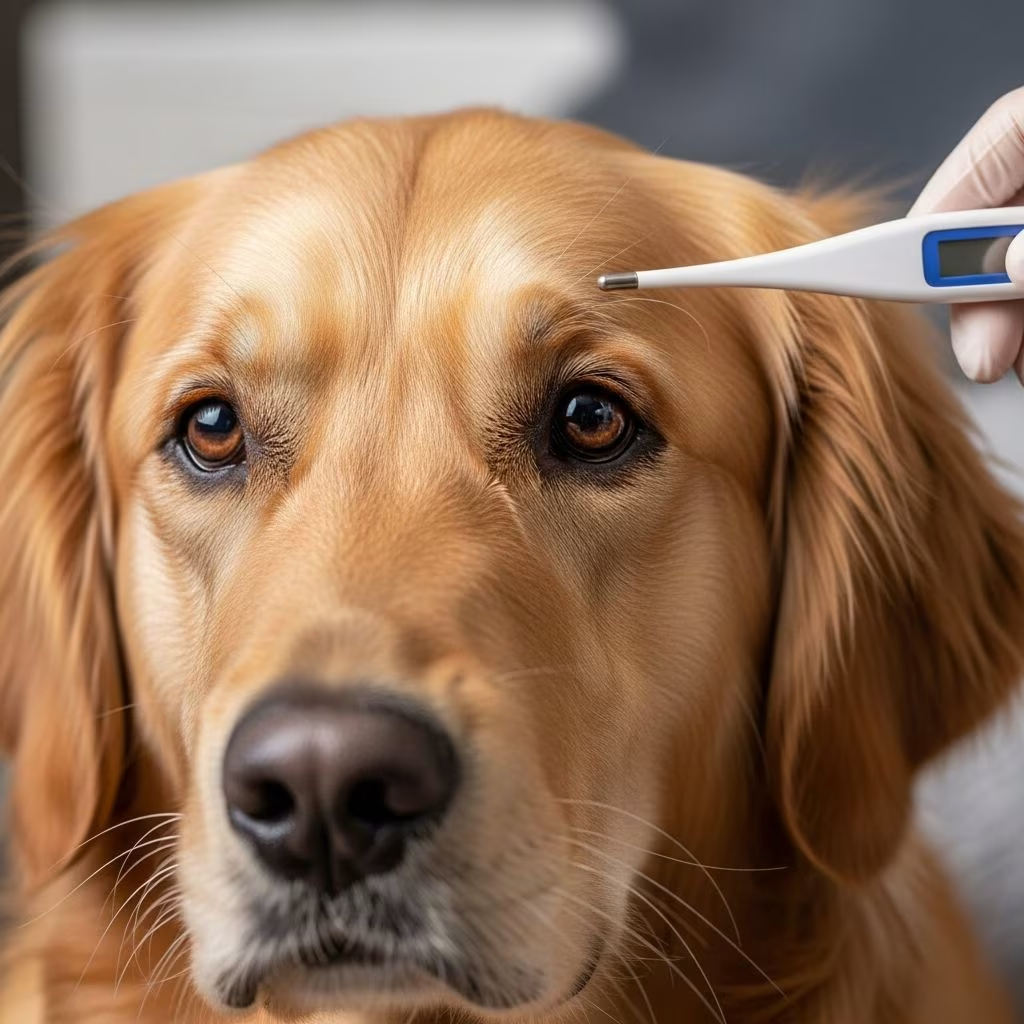
Dogs can indeed develop fevers, just like humans, as part of their immune response to infections, inflammation, or other health issues. A dog’s normal body temperature ranges from 99.5°F to 102.5°F (37.5°C to 39.2°C), and anything above 103°F (39.4°C) is considered a fever, with temperatures over 106°F (41.1°C) posing a life-threatening emergency.
Fevers in dogs signal that the body is fighting something off, but they require prompt attention to identify and treat the underlying cause. This comprehensive guide covers everything pet owners need to know about canine fevers, from recognition and measurement to causes, home care, and veterinary intervention, drawing on insights from veterinary experts.
Normal Dog Temperature vs. Fever
Understanding baseline canine temperatures is crucial for distinguishing a true fever from normal fluctuations. A healthy dog’s rectal temperature typically falls between 99.5°F and 102.5°F. Puppies and smaller breeds may run slightly higher, while larger dogs or those post-exercise might be at the upper end.
A fever is defined as a temperature exceeding 103°F, indicating the body’s thermostat in the hypothalamus has been reset by pyrogens—substances released during immune responses[10]. Hyperthermia, often confused with fever, results from external heat overload rather than internal regulation and requires different management.
- Normal range: 99.5°F–102.5°F (most accurate via rectal thermometer)
- Mild fever: 103°F–103.9°F (monitor closely)
- High fever: 104°F–105.9°F (seek vet care)
- Critical fever: 106°F+ (emergency—can cause organ damage or death)
Temperatures vary slightly by breed, age, activity level, and time of day, but consistent readings above normal warrant investigation.
Signs and Symptoms of Fever in Dogs
Dogs can’t verbalize discomfort, so owners must watch for subtle behavioral and physical changes. Common symptoms include:
- Lethargy and weakness: Reduced energy, reluctance to play or move.
- Loss of appetite: Refusing food or water, leading to dehydration[10].
- Shivering or trembling: Despite warm environments, as the body raises its set point.
- Panting or rapid breathing: Efforts to dissipate heat.
- Warm ears, nose, or gums: Hot to the touch; glassy or red eyes.
- Coughing, runny nose, or discharge: Suggesting respiratory involvement.
Other signs like vomiting, diarrhea, or abdominal pain may accompany fever depending on the cause. In severe cases, dogs may experience seizures, collapse, or coma. Early detection through these cues can prevent escalation.
How to Take Your Dog’s Temperature Accurately
The most reliable method is **rectal thermometry**, providing precise readings. Ear or axillary (armpit) methods are less accurate but useful for initial checks.
- Gather supplies: Digital rectal thermometer (pet-specific, lubricated with petroleum jelly), gloves, treats for positive reinforcement.
- Position your dog: Stand or lie them on their side; lift tail gently.
- Insert thermometer: 1–2 inches into rectum, hold for 1 minute or until beep.
- Record and clean: Wipe thermometer, note time and reading.
Safety tips: Never force insertion; use lubrication; reward calm behavior. If your dog resists, consult a vet for assistance. Avoid oral temperatures, as dogs pant and salivate inaccurately.
| Method | Accuracy | Pros | Cons |
|---|---|---|---|
| Rectal | High | Gold standard | Invasive, stressful |
| Ear | Medium | Quick, less invasive | Ear infections skew results |
| Axillary | Low | Non-invasive | 1–2°F lower than rectal |
Common Causes of Fevers in Dogs
Fevers arise from the immune system’s response to pyrogens from infections, inflammation, or toxins. Identifying the trigger is key to effective treatment[10].
Infections
The leading cause, infections trigger white blood cells to release cytokines that elevate the hypothalamic set point[10].
- Bacterial: Wounds, abscesses, UTIs, pneumonia.
- Viral: Parvovirus, distemper, influenza.
- Fungal: Blastomycosis, histoplasmosis (regional).
- Other: Tooth abscesses, ear infections.
Inflammatory and Autoimmune Conditions
Pancreatitis, arthritis, or immune-mediated diseases like lupus provoke chronic fevers without infection.
Toxins and Poisoning
Ingesting antifreeze, xylitol, toxic plants, or human meds (e.g., antidepressants) can spike temperature.
Vaccination Reactions
Low-grade fevers (103°F) 24–48 hours post-vaccine are common and self-resolve as the immune system activates.
Fever of Unknown Origin (FUO)
Persistent fevers without clear cause often stem from hidden infections, cancer, or bone marrow issues, requiring extensive diagnostics[10].
What to Do If Your Dog Has a Fever
Never administer human fever reducers like acetaminophen or ibuprofen—these are toxic to dogs. Instead:
- For 103°F+: Cool with damp towels on paws/ears, fan, offer ice chips. Stop if below 103°F.
- Hydrate: Encourage water; avoid forcing.
- Monitor: Retake temperature every 30–60 minutes; note symptoms.
- 106°F+: Emergency vet immediately.
Home care is temporary; professional diagnosis via bloodwork, imaging, or cultures is essential.
When to See a Vet for Dog Fever
Seek immediate care if:
- Temperature ≥104°F or persists >24 hours.
- Accompanied by vomiting, seizures, collapse, or breathing distress.
- Puppy, senior, or chronic illness.
- FUO after initial tests[10].
Vets treat underlying issues: antibiotics (e.g., doxycycline for bacterial), antifungals, IV fluids, anti-inflammatories.
Treatment for Fevers in Dogs
Tailored to cause:
- Infections: Antibiotics (Clavamox), antivirals if applicable.
- Inflammation: Corticosteroids.
- Supportive: Fluids for dehydration, antipyretics in extremes.
- FUO: Broad antibiotics, further tests[10].
Prognosis is good with early intervention; delays risk sepsis or organ failure.
Frequently Asked Questions (FAQs)
Can dogs get fevers like humans?
Yes, dogs get fevers as an immune defense, typically from 103°F+, but causes differ and require vet diagnosis.
How do I know if my dog has a fever without a thermometer?
Look for lethargy, warm ears, shivering, panting, or appetite loss, but confirm with rectal temperature.
Is 103.5 a fever in dogs?
Yes, above 103°F is a fever; monitor and cool gently, but see a vet if it persists.
Can I give my dog Tylenol for fever?
No, human meds like Tylenol are toxic; only vet-prescribed treatments are safe.
How long can a dog fever last?
Varies by cause—vaccine fevers resolve in 48 hours; infections need treatment to subside.
References
- Fever in Dogs: Signs, Symptoms and Treatments — Parrish Veterinary Clinic. 2023. https://parrishvetclinic.com/blog/fever-in-dogs/
- Fever in Dogs: Symptoms & Treatment — Bear Creek Veterinary Care. 2023-11-22. https://www.bearcreekvetonline.com/site/blog/2023/11/22/fever-dogs
- Fever in Dogs: Causes, Symptoms and Care — Carolina Veterinary Specialists Huntersville. 2020-12-30. https://www.huntersville.carolinavet.com/site/huntersville-veterinary-blog/2020/12/30/fever-dogs-causes-symptoms-care
- Fever in Dogs: Symptoms & Treatment — Westmoreland Animal Hospital. 2024-03-15. https://www.westmorelandah.com/site/blog/2024/03/15/fever-dogs
- Fever in Dogs: Signs, Symptoms, Treatments — American Kennel Club (AKC). N/A. https://www.akc.org/expert-advice/health/dog-fever-and-temperature/
- Fever in Dogs: Signs, Symptoms, and Treatment — PetMD. N/A. https://www.petmd.com/dog/care/why-do-dogs-get-fevers
- Fever in Dogs – Causes, Treatment and Associated Symptoms — Vetster. N/A. https://vetster.com/en/symptoms/dog/fever-in-dogs



