

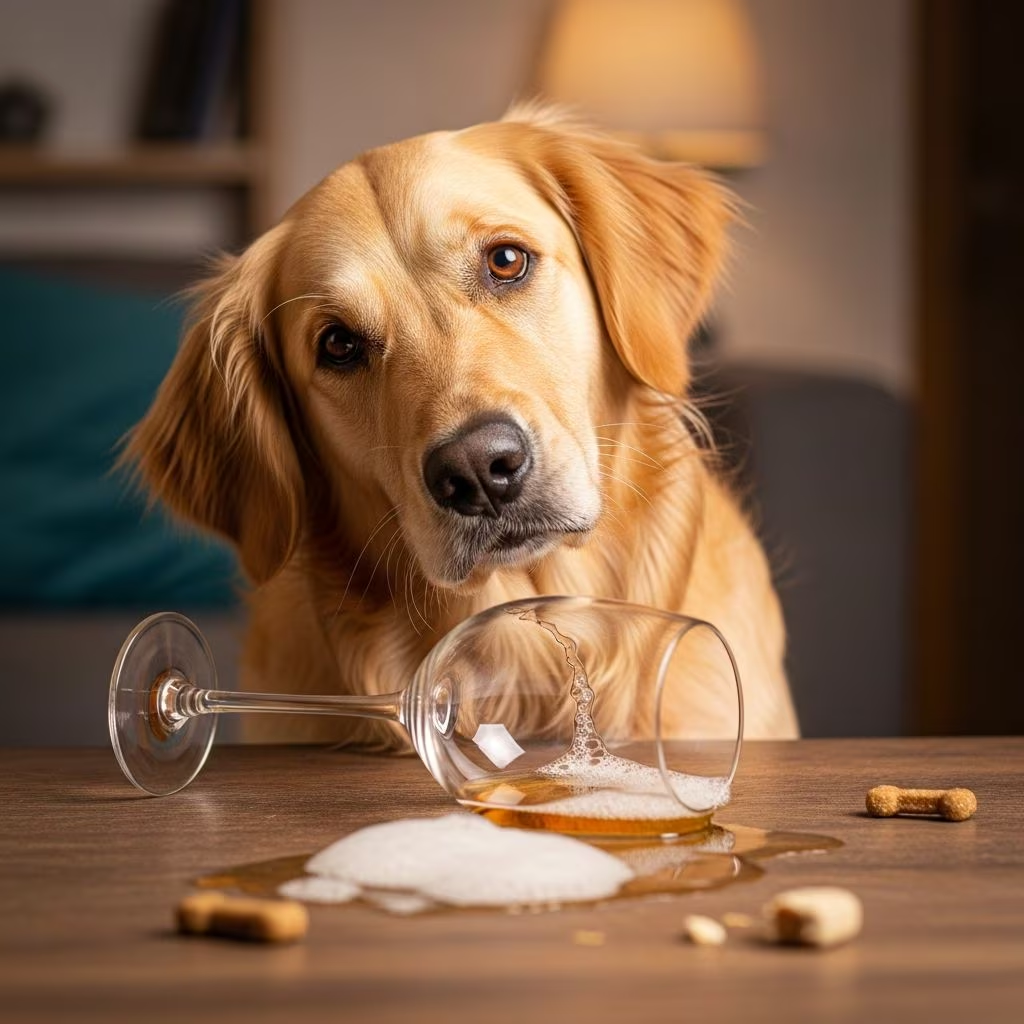
Dogs can indeed become intoxicated from alcohol, but unlike humans who might experience a mild buzz, canines rapidly progress to severe toxicity that threatens their lives. Even tiny amounts of beer, wine, spirits, or related substances like raw dough can overwhelm a dog’s system, leading to dangerous drops in blood sugar, body temperature, and respiratory function.
The Hidden Dangers of Alcohol for Canines
Alcohol affects dogs profoundly due to their smaller size, faster absorption rates, and less efficient liver enzymes for metabolizing ethanol. When ingested, it quickly enters the bloodstream, disrupting brain function, heart rhythm, and metabolic balance. Sources emphasize that dogs lack the maturity of enzymes seen in adult humans, similar to young children, making them highly vulnerable.
Common household scenarios heighten the risk: spilled drinks at parties, open bottles left on counters, or even hand sanitizers with high alcohol content absorbed through the skin or paws. Fermenting yeast in unbaked bread also produces ethanol, posing an insidious threat during holiday baking seasons.
Recognizing Intoxication: Early Warning Signs
Symptoms typically emerge within 15 minutes to two hours post-ingestion, starting mildly but escalating rapidly. Pet owners must stay vigilant, as initial signs can mimic other conditions like hypoglycemia or neurological issues.
- Vomiting and drooling: The stomach rebels against the irritant, often with excessive saliva production.
- Unsteady gait (ataxia): Dogs stumble, wobble, or appear disoriented, struggling to coordinate movements.
- Lethargy or excessive sleepiness: Reduced energy and responsiveness signal central nervous system depression.
- Restlessness or panting: Initial agitation may give way to heavy breathing as the body compensates.
These early indicators demand immediate action, as progression to severe stages can occur swiftly, especially in small breeds or puppies.
Severe Symptoms Requiring Urgent Veterinary Intervention
As alcohol levels build, life-threatening effects dominate. The toxin depresses the central nervous system, slows respiration, and triggers metabolic acidosis—a cascade where body tissues acidify, racing the heart while plummeting blood sugar.
| Symptom | Description | Potential Outcome |
|---|---|---|
| Muscle tremors or seizures | Involuntary shaking escalating to convulsions, often from hypoglycemia. | Brain damage or coma if untreated. |
| Respiratory distress | Shallow, slowed breathing or complete failure. | Asphyxiation and death—the leading cause in severe cases. |
| Hypothermia | Dangerously low body temperature due to impaired regulation. | Organ shutdown and shock. |
| Collapse or coma | Total unresponsiveness following weakness. | Fatal without intensive care. |
High body temperature paradoxically appears in some cases alongside hypothermia risks, reflecting chaotic physiological responses. Gastrointestinal upset like diarrhea compounds dehydration, increasing pneumonia risk from aspirated vomit.
How Alcohol Metabolizes in a Dog’s Body
Dogs absorb alcohol swiftly via the gastrointestinal tract, with the liver struggling to detoxify it. Excess ethanol crosses the blood-brain barrier, inhibiting neurotransmitters and causing sedation. Simultaneously, it dilates blood vessels, dropping core temperature, and inhibits glucose production, starving the brain of energy.
Unlike humans, dogs experience no “fun” phase; toxicity hits directly. Factors amplifying danger include body weight—small dogs succumb to ounces that might mildly affect a human—and concentration, where hard liquors prove deadlier than dilute beer.
Common Sources of Alcohol Exposure in Pets
Beyond obvious beverages, sneaky culprits abound:
- Beer and cocktails: Frothy spills lure curious noses.
- Wine and spirits: Dessert wines or rum cakes pack concentrated ethanol.
- Raw yeast dough: Fermentation generates alcohol and expands painfully in the stomach.
- Topical products: Mouthwashes, sanitizers, or perfumes licked off fur.
- Holiday treats: Fruitcakes soaked in brandy or spiked eggnog.
ASPCA data reveals hundreds of annual calls regarding pet alcohol incidents, underscoring prevalence around social gatherings.
Immediate Steps: What to Do If Exposure Occurs
Never induce vomiting at home—risks aspiration outweigh benefits. Instead:
- Remove access to the source and prevent further ingestion.
- Contact a veterinarian, Pet Poison Helpline (888-426-4435), or ASPCA Poison Control immediately, providing details on amount, type, dog’s weight, and timing.
- Monitor vital signs: note breathing rate, alertness, and temperature if possible.
- Rush to an emergency clinic for severe signs like seizures or collapse.
Veterinary treatment may involve IV fluids for hydration and stabilization, activated charcoal to bind toxins, blood sugar support via dextrose, warming blankets for hypothermia, and anti-seizure medications. Prognosis excels with prompt care but worsens with delays.
Prevention Strategies for a Safe Home Environment
Proactive measures avert tragedy:
- Secure all alcoholic beverages in high cabinets or refrigerators.
- Supervise pets during parties; use lidded coolers for drinks.
- Avoid alcohol-infused foods and dispose of raw dough securely.
- Store cleaners and sanitizers out of reach.
- Educate household members and guests on pet risks.
Opt for pet-safe alternatives like plain water or vet-approved broths for refreshment.
FAQs: Addressing Common Concerns
Can a small sip of beer harm my dog?
Yes, even minimal amounts concentrate quickly in small bodies, risking toxicity. Contact a vet regardless.
How quickly do symptoms appear in dogs?
Usually 15-120 minutes, with severity rising fast.
Is alcohol poisoning fatal for dogs?
Untreated severe cases can lead to respiratory failure, organ damage, or death, but early intervention saves lives.
Do all dogs show the same symptoms?
No, size, health, and alcohol amount influence presentation; small breeds suffer most.
What mimics alcohol intoxication?
Conditions like bloat, strokes, or low blood sugar; professional diagnosis is crucial.
Long-Term Implications and Recovery Outlook
Surviving dogs typically recover fully with timely treatment, though severe episodes might leave temporary neurological deficits. Monitor for pneumonia post-vomiting or lingering weakness. Annual wellness checks help identify vulnerabilities like liver issues predisposing to toxicity.
Owners report relief after scares, emphasizing education’s role. Sharing experiences fosters community awareness, reducing incidents.
References
- Can Dogs Get Drunk? Learn the Risks of Alcohol Poisoning — Kinship. 2023. https://www.kinship.com/dog-health/can-dogs-get-drunk
- What Happens When a Dog Drinks Alcohol? — Hill’s Pet Nutrition. 2023. https://www.hillspet.com/dog-care/healthcare/what-happens-when-dog-drinks-alcohol
- Pet Poison Helpline: I Caught My Dog Drinking Alcohol What Can Happen? — Pet Poison Helpline. 2023. https://www.petpoisonhelpline.com/pet-tips/i-caught-my-dog-drinking-alcohol-what-can-happen/
- Why Dogs Should Not Drink Alcohol — Whole Dog Journal. 2023. https://www.whole-dog-journal.com/care/why-dogs-should-not-drink-alcohol/
- Can Dogs Drink Beer? Alcohol Poisoning in Dogs — PetMD. 2023. https://www.petmd.com/dog/poisoning/alcohol-poisoning-in-dog



