

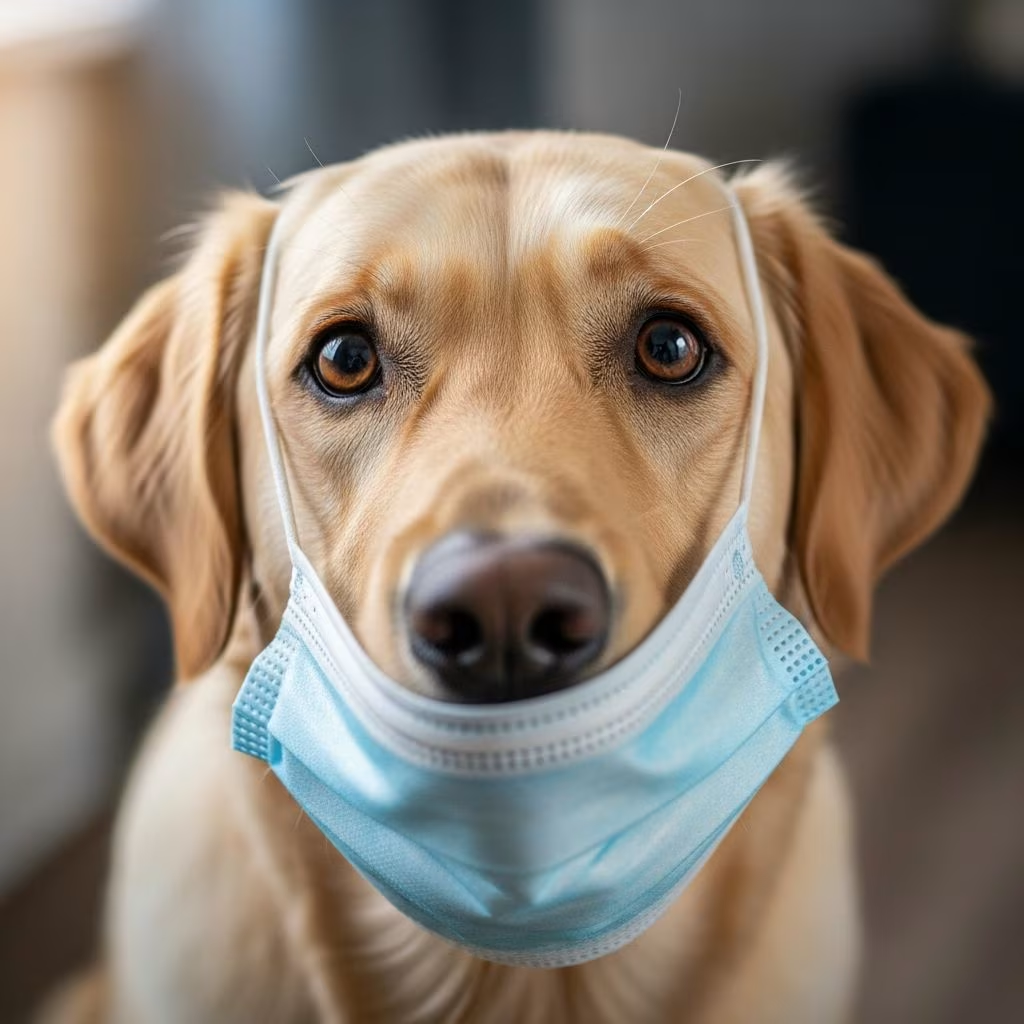
Dogs can contract COVID-19 (SARS-CoV-2) from infected humans, but infections in dogs are rare, and most cases result in mild or no symptoms. Unlike canine coronavirus, which is a different virus causing gastrointestinal or respiratory issues in dogs, SARS-CoV-2 primarily spreads from people to pets through close contact like respiratory droplets or contaminated surfaces.
Distinguishing between **canine coronavirus (CCoV)**—a common dog-specific virus—and human COVID-19 is crucial. CCoV includes enteric (CECoV) strains causing diarrhea and respiratory (CRCoV) strains contributing to kennel cough, spreading dog-to-dog via feces or air. COVID-19 in dogs, however, stems from human transmission and poses minimal risk of dog-to-dog or dog-to-human spread.
Can Dogs Get COVID-19?
Yes, dogs can test positive for SARS-CoV-2, the virus causing COVID-19 in humans, but susceptibility is low compared to cats. The CDC reports rare cases worldwide, with dogs typically asymptomatic or showing mild illness. Mayo Clinic notes that among infected pets, dogs rarely develop severe symptoms, and most recover at home without intervention.
Household transmission occurs when owners with COVID-19 closely interact with pets, such as petting, cuddling, or sharing spaces. A small percentage of exposed dogs become infected, but they do not efficiently transmit the virus back to humans or other animals. Vulnerable dogs include those with underlying health issues or older age, though data remains limited.
Key difference: Canine coronaviruses (CCoV) are endemic in dog populations, causing outbreaks in shelters or kennels, whereas dog COVID-19 cases tie directly to human infections.
Symptoms of COVID-19 in Dogs
Dogs with COVID-19 exhibit mild respiratory or gastrointestinal signs similar to human symptoms but less severe. Common indicators include coughing, sneezing, nasal/eye discharge, lethargy, and reduced appetite.
- Mild symptoms: Sneezing, coughing, runny nose or eyes, mild lethargy.
- Gastrointestinal: Vomiting, diarrhea (rarely severe).
- Severe (very rare): Difficulty breathing, persistent fever—seek immediate vet care.
These overlap with canine coronavirus symptoms. For CCoV enteric strain: diarrhea (yellowish/bloody), vomiting, abdominal pain, dehydration. Respiratory CCoV adds gagging coughs, fever. Most CCoV cases self-resolve in 7-10 days.
| Symptom | COVID-19 in Dogs | Canine Coronavirus (CECoV) |
|---|---|---|
| Diarrhea | Rare, mild | Common, often yellow/bloody |
| Vomiting | Occasional | Frequent |
| Coughing/Sneezing | Mild respiratory | CRCoV: prominent |
| Lethargy | Mild | Common |
| Severity | Usually asymptomatic/mild | Mild-self limiting; severe in pups |
Symptoms alone cannot differentiate; testing confirms the virus.
How Does COVID-19 Spread to Dogs?
SARS-CoV-2 spreads to dogs via respiratory droplets from infected humans, contaminated hands, or fomites (surfaces like bowls/toys). Direct dog-to-dog transmission is unlikely, as dogs are poor amplifiers. AVMA guidelines emphasize owner precautions during illness.
Contrast with CCoV: Highly contagious dog-to-dog. Enteric spreads oro-fecally (feces ingestion via sniffing contaminated areas); respiratory via aerosols/direct contact. Incubation: 1-4 days; shedding up to 6 months.
- Risk environments for CCoV: Shelters, kennels, dog parks.
- COVID risk: Homes with COVID-positive humans.
Testing and Diagnosis for COVID in Dogs
Veterinarians diagnose COVID-19 via PCR swab (nasal/oral/rectal) sent to labs like those used by CDC. Testing is recommended only for symptomatic dogs in COVID-exposed households.
For CCoV, fecal PCR or antigen tests detect the virus, often alongside bloodwork to rule out parvovirus. History of exposure (e.g., kennel stay) aids diagnosis. No routine screening for healthy dogs.
Challenges: CCoV tests may cross-react with vaccines; clinical signs overlap with other illnesses.
Treatment for Dogs with COVID-19
No specific antiviral for COVID-19 in dogs; care is supportive. Isolate the pet, monitor symptoms, ensure hydration/nutrition. Vets may prescribe anti-nausea meds or antibiotics for secondary infections. Most recover within 14 days.
Call your vet if symptoms worsen; telemedicine options exist.
Treatment for Canine Coronavirus
CCoV lacks specific treatment; focus on symptoms. Mild cases: Bland diet, probiotics, rest. Severe: IV fluids, anti-diarrheals, hospitalization.
- Outpatient: Oral meds, hydration fluids, GI diets.
- Hospital: IV support, oxygen for CRCoV, nutrition via tubes.
Prognosis excellent with early care; puppies recover in 8-10 days.
Preventing COVID-19 in Dogs
Protect dogs by minimizing exposure: Sick owners should avoid close contact, wash hands before handling pets, disinfect surfaces. Masks for owners optional but hand hygiene key. No need to rehome pets.
Covid vaccines for dogs? Not routinely recommended due to low risk.
Preventing Canine Coronavirus in Dogs
Vaccines available for CCoV (often in combo shots), recommended for high-risk dogs (puppies, boarding frequently). Core prevention: Hygiene, isolate sick dogs, clean environments.
- Clean feces promptly.
- Avoid crowded dog areas if unvaccinated.
- Quarantine new/sick dogs.
Frequently Asked Questions (FAQs)
Can my dog give me COVID-19?
No, risk of dog-to-human transmission is negligible.
Should I test my dog for COVID if I have it?
Only if symptomatic; consult vet.
Is canine coronavirus the same as COVID-19?
No, CCoV is dog-specific; COVID is SARS-CoV-2 from humans.
Do dogs need a COVID vaccine?
Not standard; low prevalence doesn’t justify.
How long is a dog contagious with CCoV?
Up to 2 weeks for shedding; longer carriers possible.
Can puppies die from canine coronavirus?
Rarely alone, but severe with co-infections.
This comprehensive guide ensures pet owners stay informed on distinguishing threats and protecting their dogs effectively.
References
- Canine Coronavirus – PetMD — PetMD. 2023. https://www.petmd.com/dog/conditions/digestive/c_dg_canine_coronavirus_infection
- Coronavirus in dogs – Elwood vet — Elwood Veterinary Clinic. 2023. https://www.elwoodvet.net/coronavirus-in-dogs
- Canine Coronavirus: What You Need to Know — Mission Veterinary Clinic. 2023. https://missionvet.com/canine-coronavirus-what-you-need-to-know/
- Canine Coronavirus Disease – VCA Animal Hospitals — VCA Hospitals. 2023. https://vcahospitals.com/know-your-pet/coronavirus-disease-in-dogs
- Canine Enteric Coronavirus (CECoV) Fact Sheet — Ohio State University College of Veterinary Medicine. 2020-10-02. https://vet.osu.edu/sites/default/files/documents/Canine%20Enteric%20Coronavirus%20Fact%20Sheet%2020201002.pdf
- Caring for your pet with SARS-CoV-2 — AVMA. 2023. https://ebusiness.avma.org/files/coronavirus/AVMA_SARS-CoV-2_Caring-for-pets_Client-handout.pdf
- COVID-19 and pets: Can dogs and cats get COVID-19? — Mayo Clinic. 2023. https://www.mayoclinic.org/diseases-conditions/coronavirus/expert-answers/can-pets-get-coronavirus/faq-20486391
- What You Should Know about COVID-19 and Pets — CDC. 2026 (updated). https://www.cdc.gov/coronavirus/2019-ncov/animals/pets.html



