

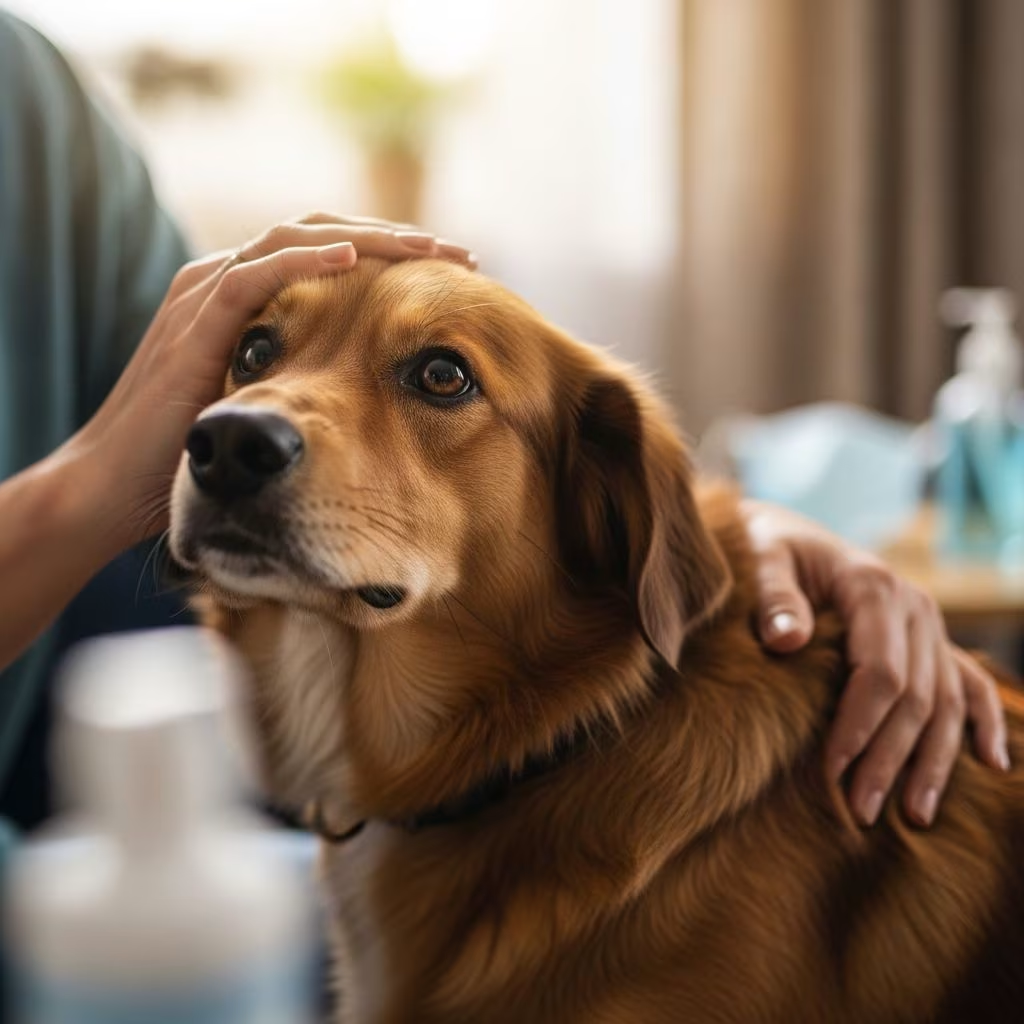
Can Dogs Get COVID-19?
Yes, dogs can contract COVID-19, the disease caused by the SARS-CoV-2 virus. However, pet owners should understand that canine infections are relatively uncommon and typically present very differently than human infections. Of the small number of dogs that have been infected with COVID-19, some showed no symptoms at all, and most of those that did become ill experienced only mild symptoms that could be managed at home. Understanding the risk factors, transmission routes, and proper care protocols can help you protect your beloved canine companion.
Understanding Coronavirus in Dogs: More Than Just COVID-19
It’s important to distinguish between COVID-19 (SARS-CoV-2) in dogs and other types of canine coronavirus. Canine enteric coronavirus causes diarrhea in puppies and is not contagious to other species, while canine respiratory coronavirus contributes to kennel cough. These are entirely different viruses from the one that causes COVID-19 in humans. When discussing COVID-19 specifically, we’re referring to infections caused by SARS-CoV-2, which is the same virus affecting humans worldwide.
How Dogs Contract COVID-19
The primary route of COVID-19 transmission to dogs is through close contact with infected humans. Dogs can contract COVID-19 from infected individuals, typically through respiratory droplets or direct contact. This is why it’s crucial to monitor your own health status and take appropriate precautions if you’re suspected of having or confirmed to have COVID-19.
Risk Factors for Canine COVID-19
Certain situations increase the likelihood of your dog being exposed to the virus:
- Close contact with confirmed or suspected COVID-19 positive individuals
- Multi-pet households where one person is infected
- Frequent trips to areas with high COVID-19 transmission rates
- Visits to veterinary clinics or boarding facilities during outbreaks
- Dogs with weakened immune systems or pre-existing health conditions
Symptoms of COVID-19 in Dogs
Dogs infected with SARS-CoV-2 may display coughing, difficulty breathing or shortness of breath, lethargy, sneezing, nasal and eye discharge, vomiting, and diarrhea. However, many infected dogs show no symptoms whatsoever, making detection challenging without veterinary testing.
Typical Symptoms Include
- Coughing and sneezing
- Difficulty breathing or shortness of breath
- Lethargy and reduced energy levels
- Nasal discharge
- Eye discharge
- Vomiting
- Diarrhea
- Loss of appetite
It’s important to note that these symptoms can overlap with other respiratory or gastrointestinal conditions in dogs. If your dog displays any of these signs, especially during periods of known COVID-19 transmission, contact your veterinarian for proper evaluation and testing.
Severity and Prognosis
Pets have rarely become seriously ill with COVID-19, and most dogs that became ill had mild symptoms that could be cared for at home. The overall prognosis for dogs infected with SARS-CoV-2 is excellent, particularly when compared to human infections. Young, healthy dogs tend to recover quickly, though older dogs or those with compromised immune systems may require closer monitoring.
Diagnosis of COVID-19 in Dogs
If your veterinarian suspects your dog has COVID-19, they will perform a comprehensive examination. This may include reviewing your dog’s health history and discussing recent potential exposures to infected individuals. Your veterinarian may recommend specific diagnostic tests to confirm SARS-CoV-2 infection, such as:
- RT-PCR (reverse transcription polymerase chain reaction) tests
- Antigen tests
- Nasal and throat swabs
- Blood chemistry tests and complete blood count (if severe symptoms are present)
During diagnosis, inform your veterinarian about any family members who are sick with COVID-19, as this information helps them make an accurate assessment.
Treatment Options for Dogs With COVID-19
Currently, there is no specific antiviral treatment designed specifically for COVID-19 in dogs. If your pet becomes sick, their illness typically has been mild and resolves with supportive care, and your veterinarian will work with you to develop a treatment plan.
Supportive Care at Home
For most dogs with mild COVID-19 symptoms, home care is appropriate:
- Ensuring adequate hydration by providing fresh water consistently
- Offering a bland, easily digestible diet
- Providing a quiet, comfortable resting area
- Monitoring symptoms closely and documenting any changes
- Limiting strenuous activity during recovery
- Maintaining regular medication schedules if your dog has chronic conditions
When Hospitalization May Be Necessary
In rare cases where dogs develop more severe symptoms, veterinary hospitalization might be required. This could include:
- Intravenous fluid therapy for severe dehydration
- Oxygen therapy for respiratory distress
- Anti-nausea medications
- Pain management
- Nutritional support if the dog cannot eat
- Monitoring of vital signs
Recovery Timeline
Most dogs recover from COVID-19 within a few weeks with appropriate supportive care. The exact recovery time depends on the severity of symptoms and the individual dog’s overall health status. Dogs with mild symptoms typically show improvement within 7-10 days, while those with more severe disease may require several weeks of recovery.
Protecting Your Dog From COVID-19
While complete prevention isn’t always possible, several measures can significantly reduce your dog’s risk of contracting COVID-19:
- Maintain your own health: Practice good hygiene and follow public health guidelines to reduce your own infection risk
- Isolate if sick: If you test positive for COVID-19, limit close contact with your dog as much as possible
- Hand hygiene: Wash your hands thoroughly before petting or handling your dog, especially if you’ve been around others
- Avoid public gatherings: During high transmission periods, minimize visits to dog parks or crowded pet-friendly venues
- Monitor your dog: Watch for symptoms and seek veterinary care promptly if they appear
- Maintain distance: When possible, maintain social distance during interactions with other dog owners and their pets
Important Precautions to Avoid
In your efforts to protect your dog, it’s crucial to avoid certain practices that could cause harm:
- Do not put a face mask on your pet: Masks can cause respiratory distress and discomfort in dogs
- Do not wipe your pet with disinfectants or chemicals: These substances can be toxic if ingested during grooming
- Do not apply human medications to your dog: Always consult your veterinarian before giving any medications or treatments
- Do not isolate your dog unnecessarily: Dogs need appropriate exercise and mental stimulation for their wellbeing
When to Contact Your Veterinarian
Call your veterinarian immediately if your dog exhibits any of the following:
- Difficulty breathing or labored respiration
- Persistent vomiting or inability to keep food down
- Severe lethargy or unresponsiveness
- Signs of severe abdominal pain
- Worsening symptoms despite home care
- New symptoms developing during recovery
- Loss of appetite lasting more than 24 hours
Many veterinarians now offer telemedicine consultations, which can be especially helpful if you are sick with COVID-19 and unable to visit the clinic in person. Contact your veterinary clinic to discuss available options.
Frequently Asked Questions (FAQs)
Q: Can my dog transmit COVID-19 to me?
A: While dogs can contract COVID-19 from infected humans, transmission back to humans is extremely rare. The primary concern is human-to-dog transmission from infected individuals. However, if your dog is infected, maintain good hygiene practices when handling or petting them.
Q: Is there a vaccine for COVID-19 in dogs?
A: Currently, there are no widely available vaccines specifically for COVID-19 in dogs. However, vaccines are available for other canine coronaviruses (enteric and respiratory). Discuss with your veterinarian whether additional preventive measures are appropriate for your dog’s lifestyle and risk factors.
Q: How long is a dog contagious after contracting COVID-19?
A: The exact duration of contagiousness in dogs is not fully established, but most research suggests dogs shed the virus for a limited period. Consult your veterinarian for specific guidance on isolating your infected dog from other pets and when it’s safe to resume normal activities.
Q: Can puppies and senior dogs be more severely affected?
A: Puppies and elderly dogs with compromised immune systems may experience more severe symptoms than healthy adult dogs. However, severe cases remain rare. Senior dogs and puppies should receive prompt veterinary attention if they show any symptoms.
Q: Should I wear protective equipment when handling my dog if I have COVID-19?
A: While not absolutely necessary, some basic precautions are reasonable, including hand washing before and after contact and minimizing close face-to-face contact. Don’t put masks on your dog or use harsh disinfectants on their coat.
Q: Can COVID-19 be transmitted through dog food or water?
A: There is no evidence that COVID-19 is transmitted through food or water in dogs. Continue feeding your dog normally and provide fresh water daily. If your dog is sick and having trouble eating, consult your veterinarian about appropriate dietary adjustments.
The Bottom Line
While dogs can contract COVID-19, infections remain uncommon and typically mild. If your pet gets sick, try not to worry—most pets that became ill had mild symptoms and could be cared for at home. By staying informed, monitoring your own health, and maintaining open communication with your veterinarian, you can help ensure your dog remains healthy and happy during the ongoing COVID-19 pandemic. Focus on providing supportive care if your dog does become infected, and don’t hesitate to seek professional veterinary guidance when needed.
References
- COVID-19 and Pets: Can Dogs and Cats Get COVID-19? — Mayo Clinic. 2025. https://www.mayoclinic.org/diseases-conditions/coronavirus/expert-answers/can-pets-get-coronavirus/faq-20486391
- Coronavirus – Information for Dog Owners — American Kennel Club Canine Health Foundation. 2024. https://www.akcchf.org/disease-history/coronavirus-information-for/
- What You Should Know About COVID-19 and Pets — Centers for Disease Control and Prevention (CDC). 2025. https://www.cdc.gov/coronavirus/2019-ncov/animals/pets.html
- Caring for Your Pet with SARS-CoV-2 — American Veterinary Medical Association (AVMA). 2024. https://ebusiness.avma.org/files/coronavirus/AVMA_SARS-CoV-2_Caring-for-pets_Client-handout.pdf



