

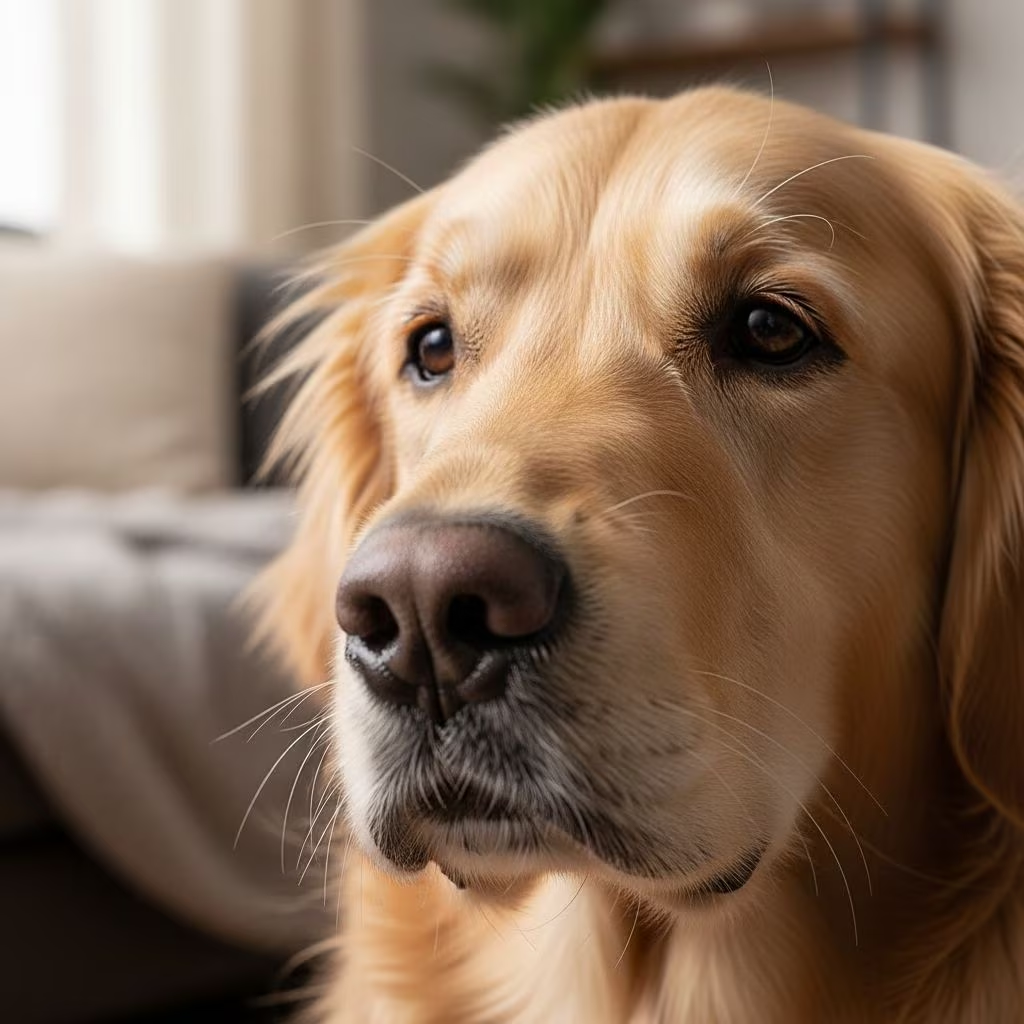
Yes, dogs can experience congestion similar to humans, affecting their nasal passages, sinuses, or chest, often due to infections, allergies, or irritants. Recognizing these symptoms early allows for timely intervention, potentially preventing serious complications like pneumonia.
What Does Congestion Look Like in Dogs?
Congestion in dogs manifests through noisy breathing, nasal discharge, coughing, sneezing, and lethargy. Unlike humans, dogs cannot blow their noses, so mucus buildup leads to visible symptoms like pawing at the face or open-mouth breathing.
- Nasal congestion: Runny or stuffed nose, clear to colored discharge, frequent sneezing.
- Chest congestion: Wheezing, coughing, rapid or labored breathing, reduced activity.
- Additional signs: Watery eyes, reduced appetite, fever, or blue-tinged gums in severe cases.
Puppies with congested breathing require immediate vet attention, as it may signal roundworm or fungal infections leading to pneumonia.
Common Causes of Congestion in Dogs
Several factors contribute to dog congestion, ranging from benign to life-threatening. Identifying the root cause is crucial for effective treatment.
| Cause | Description | Risk Level |
|---|---|---|
| Allergies | Environmental triggers like pollen, dust, or smoke cause inflammation. | Low |
| Infections | Viral (kennel cough), bacterial, or fungal; common in puppies. | Medium-High |
| Foreign Objects | Grass seeds or debris stuck in nasal passages. | Medium |
| Heart Disease | Fluid buildup in lungs, more common in older dogs. | High |
| Dental Issues | Infections spreading to sinuses. | Medium |
| Parvovirus | Severe in unvaccinated pups, requires quarantine. | Critical |
Chronic rhinitis or sinusitis may stem from ongoing inflammation or tumors, often needing advanced diagnostics like X-rays or endoscopy.
Symptoms That Require Immediate Vet Attention
Not all congestion resolves on its own; persistent symptoms warrant professional care. Seek a vet if congestion lasts over 48 hours, or includes colored discharge, fever, or breathing distress.
- Yellow/green nasal discharge indicating bacterial infection.
- Labored breathing, coughing up mucus, or lethargy.
- Puppy congestion, especially with roundworm symptoms like potbelly or diarrhea.
- Blue gums, collapse, or refusal to eat/drink.
Vets may perform chest X-rays, blood tests, or EKGs to diagnose issues like pneumonia or heart disease.
Home Remedies for Mild Dog Congestion
For mild cases, such as allergy-related congestion resolving in 3-5 days, try these vet-approved remedies. Always monitor progress and consult a vet first.
- Steam Therapy: Sit with your dog in a steamy bathroom for 10-15 minutes to loosen mucus. Add pet-safe eucalyptus sparingly.
- Humidifier: Use a cool-mist humidifier near bedding to moisten airways.
- Hydration Boost: Offer low-sodium broth-flavored water; aim for 1 oz per pound of body weight daily.
- Saline Drops: Use infant saline (2-3 drops per nostril) followed by gentle massage.
- Nose Massage: Light circular motions on the nose bridge to promote drainage.
- Air Purification: HEPA filters reduce allergens like dust and pollen.
- Rest and Nutrition: Provide quiet rest, chicken broth soup, fish oil for immunity.
Avoid human decongestants, as they can be toxic; opt for vet-prescribed antihistamines for allergies.
Veterinary Treatments for Dog Congestion
Serious cases require professional intervention. Treatments vary by cause:
- Antibiotics: For bacterial pneumonia or sinusitis.
- Antifungals: For identified fungal infections.
- Antihistamines/Anti-inflammatories: For allergies.
- IV Fluids/Hospitalization: Severe dehydration or parvo.
- Surgery/Radiation: Tumors or chronic cases unresponsive to meds.
Early diagnosis improves outcomes; for instance, pneumonia treated promptly with antibiotics leads to quicker recovery.
Preventing Congestion in Dogs
Proactive measures reduce congestion risks:
- Vaccinations: Core vaccines prevent parvo and kennel cough.
- Allergy Management: Regular cleaning, avoid irritants, air purifiers.
- Dental Care: Routine checkups prevent oral infections.
- Humidity Control: Maintain comfortable home humidity, especially in dry seasons.
- Monitor Puppies: Deworm promptly to avoid respiratory complications.
Seasonal changes exacerbate symptoms; watch for cold-like signs in damp weather.
Frequently Asked Questions (FAQs)
Q: What can I give my dog for congestion?
A: Stick to safe home remedies like steam, saline, and hydration. Avoid OTC human meds; consult a vet for dog-safe antihistamines or antibiotics.
Q: When should I take my dog to the vet for congestion?
A: Immediately if symptoms persist beyond 48 hours, include colored discharge, breathing difficulty, or in puppies. Don’t delay for chest congestion.
Q: How long does dog congestion last?
A: Mild cases clear in 3-5 days; longer indicates underlying issues needing vet care.
Q: Can dogs get colds like humans?
A: Dogs get respiratory infections mimicking colds, with symptoms like runny nose and cough, but not the same viruses.
Q: Is a runny nose always congestion in dogs?
A: No, it could signal foreign objects, infections, or allergies; yellow/green discharge needs prompt vet evaluation.
Conclusion
Dog congestion is common but manageable with prompt action. Home remedies help mild cases, but veterinary care ensures serious issues like infections or heart disease are addressed swiftly, safeguarding your pet’s health.
References
- Dog Congestion: What to Do and When to Worry — Petcube. Accessed 2026. https://petcube.com/blog/congestion-in-dogs/
- Nasal Congestion in Dogs: 7 Proven Remedies Pet Owners Need — The Pet Vet. Accessed 2026. https://thepetvet.com/nasal-congestion-in-dogs/
- Can Dogs Get Congested? — Wagwalking. 2025-04-03. https://wagwalking.com/wellness/can-dogs-get-congested
- Dog Nasal Congestion: Causes, Symptoms & Treatment — PetLab Co. Accessed 2026. https://thepetlabco.com/learn/dog/symptoms/dog-nasal-congestion
- Rhinitis and Sinusitis in Dogs – Dog Owners — Merck Veterinary Manual. Accessed 2026. https://www.merckvetmanual.com/dog-owners/lung-and-airway-disorders-of-dogs/rhinitis-and-sinusitis-in-dogs
- Cold Symptoms in Dogs — Congress Avenue Animal Hospital. Accessed 2026. https://congressavevet.com/news/cold-symptoms-in-dogs/



