

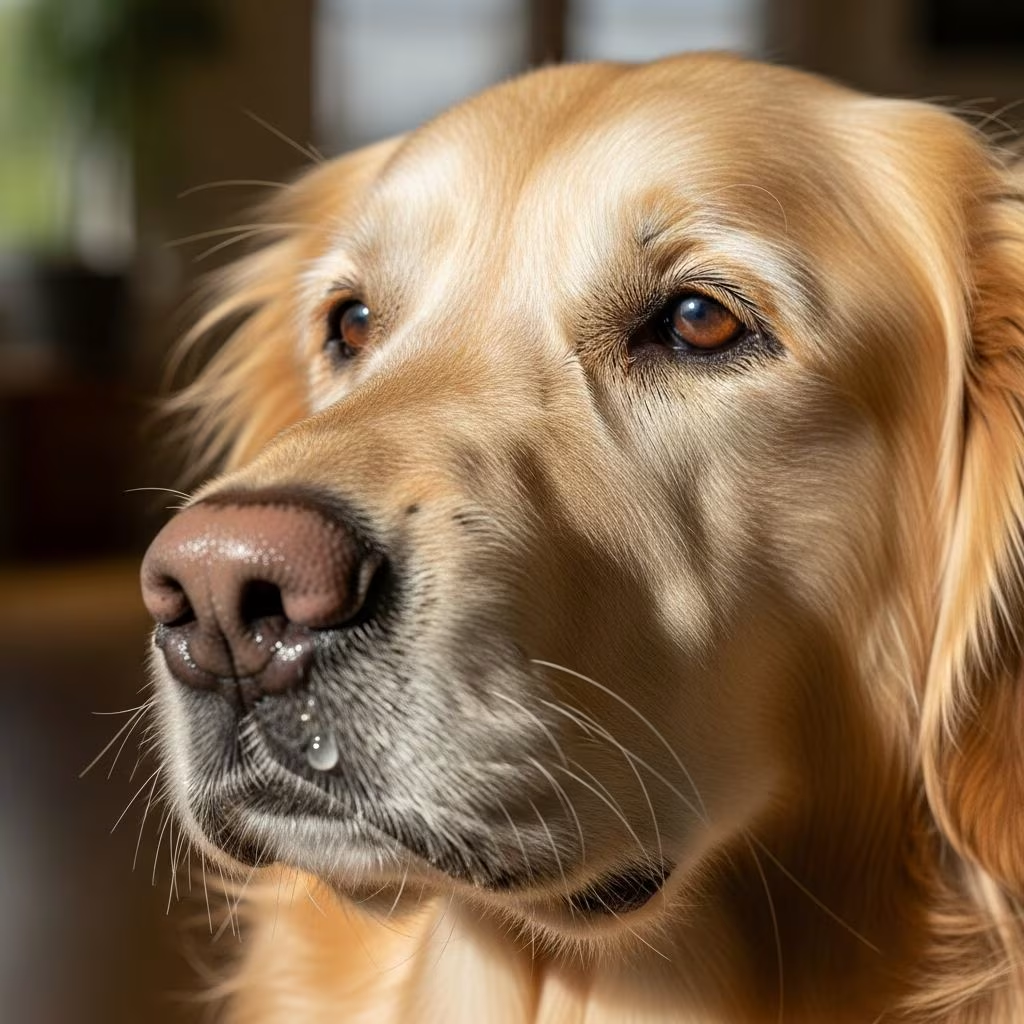
Dogs can indeed experience congestion, similar to humans, affecting their nasal passages, sinuses, or lungs, often manifesting as a stuffy nose, snoring, or labored breathing. This condition, while common, requires prompt attention to identify underlying causes ranging from minor irritants to serious infections.
What Does Congestion Look Like in Dogs?
Congestion in dogs typically presents through noticeable respiratory changes. You might hear snoring-like sounds during sleep, observe excessive nasal discharge—clear, thick, or colored—and notice frequent sneezing or pawing at the face. Other signs include coughing, wheezing, open-mouth breathing, or reduced appetite due to discomfort. In severe cases, lethargy, fever, or blue-tinted gums signal oxygen deprivation, demanding immediate veterinary intervention.
Observe your dog’s behavior closely: mild cases may resolve quickly, but persistent symptoms beyond 48 hours warrant professional evaluation to prevent complications like pneumonia.
Common Causes of Congestion in Dogs
Several factors can trigger canine congestion. Understanding these helps in targeted management.
- Allergies: Environmental allergens like pollen, dust, or mold cause inflammation, leading to clear discharge and sneezing, especially seasonally.
- Infections: Viral (e.g., kennel cough) or bacterial issues inflame airways, producing thick, colored mucus. Pneumonia, a severe complication, requires antibiotics.
- Foreign Objects: Grass seeds or debris lodged in nasal passages cause unilateral discharge and pawing.
- Dental Disease: Tooth root abscesses drain into sinuses, mimicking congestion with foul-smelling discharge.
- Heart Disease: Fluid buildup in lungs leads to coughing and fatigue, common in older dogs.
- Nasal Tumors or Polyps: Rare but serious, causing chronic one-sided congestion, often in breeds like Dolichocephalic (long-nosed) dogs.
- Irritants: Smoke, strong odors, or dry air exacerbate symptoms.
Brachycephalic breeds (e.g., Bulldogs, Pugs) are predisposed due to narrow airways, making even minor issues more pronounced.
Symptoms That Require Immediate Veterinary Attention
Not all congestion is benign. Seek vet care urgently if your dog exhibits:
- Difficulty breathing or rapid panting.
- Colored nasal discharge (yellow/green indicating infection).
- Fever, lethargy, or loss of appetite lasting over 24-48 hours.
- Blue gums, collapse, or coughing up blood.
- Symptoms in puppies, seniors, or immunocompromised dogs.
Early diagnosis via chest X-rays, blood tests, or endoscopy improves outcomes, especially for pneumonia or heart issues.
Home Remedies for Mild Dog Congestion
For mild, short-term congestion (under 3-5 days), supportive care can provide relief while monitoring progress. Always consult a vet before starting remedies.
1. Steam Therapy
Run a hot shower and sit with your dog in the bathroom for 10-15 minutes, 2-3 times daily. The moist heat loosens mucus without direct water exposure. Add pet-safe eucalyptus sparingly for enhanced effect.
2. Hydration Boost
Ensure constant fresh water access; add low-sodium broth to encourage drinking. Aim for 1 ounce per pound of body weight daily to thin mucus.
3. Saline Nasal Drops
Mix ¼ tsp non-iodized salt in 1 cup warm distilled water. Administer 2-3 drops per nostril, followed by gentle massage. Use infant saline if preferred.
4. Humidifier Use
A cool-mist humidifier near your dog’s bed adds moisture, easing dry airways. Clean regularly to prevent mold.
5. Gentle Nose Cleaning
Wipe discharge with a warm, damp cloth. Avoid Q-tips to prevent injury.
6. Nose Massage
Light circular motions on the nose bridge promote drainage and comfort.
7. Air Purification
HEPA filters remove allergens; maintain HVAC systems for optimal air quality.
Rest in a quiet, warm space and offer immune-boosting foods like fish oil-enriched broth. Avoid OTC human meds unless vet-approved (e.g., certain antihistamines).
Veterinary Treatments for Dog Congestion
Severe or persistent cases need professional intervention. Vets tailor treatments to the cause:
| Cause | Treatment Options |
|---|---|
| Allergies | Antihistamines, anti-inflammatories |
| Bacterial Infection | Antibiotics (e.g., doxycycline, Clavamox) |
| Viral | Supportive care, antivirals if needed (e.g., famciclovir) |
| Foreign Object/Tumor | Surgery or endoscopy |
| Heart Disease | Diuretics, long-term meds |
Diagnostic tools include X-rays, ultrasounds, or cultures. Hospitalization with IV fluids may be required for dehydration or pneumonia.
Prevention Tips for Canine Congestion
Proactive steps reduce recurrence:
- Vaccinate against respiratory viruses (e.g., bordetella).
- Maintain dental hygiene to prevent abscesses.
- Use air purifiers and avoid smoke/irritants.
- Monitor brachycephalic dogs closely; consider weight management.
- Regular vet check-ups for seniors.
Frequently Asked Questions (FAQs)
Q: What can I give my dog for congestion?
A: Stick to vet-recommended options like saline drops or humidifiers. Avoid human OTC meds; safe antihistamines require professional dosing.
Q: When should I take my congested dog to the vet?
A: Immediately for breathing distress or within 48 hours if symptoms persist. Don’t wait over a week.
Q: Can congestion be a sign of something serious?
A: Yes, potentially pneumonia, heart disease, or tumors. Colored discharge or lethargy signals urgency.
Q: How long does dog congestion last?
A: Mild cases clear in 3-5 days; longer indicates vet evaluation.
Q: Is steam therapy safe for all dogs?
A: Yes for most, but monitor brachycephalic breeds to avoid overheating. Limit to 10-15 minutes.
References
- Dog Congestion: What to Do and When to Worry — Petcube. 2023. https://petcube.com/blog/congestion-in-dogs/
- Nasal Congestion in Dogs: 7 Proven Remedies Pet Owners Need — The Pet Vet. 2024. https://thepetvet.com/nasal-congestion-in-dogs/
- What to Do When Your Dog Has a Runny Nose — Lane Veterinary. 2023. https://lanevet.com/blog/dog-has-a-runny-nose/
- Can Dogs Get Congested? — WagWalking. 2025-04-03. https://wagwalking.com/wellness/can-dogs-get-congested
- Rhinitis and Sinusitis in Dogs — Merck Veterinary Manual. 2024. https://www.merckvetmanual.com/dog-owners/lung-and-airway-disorders-of-dogs/rhinitis-and-sinusitis-in-dogs



