

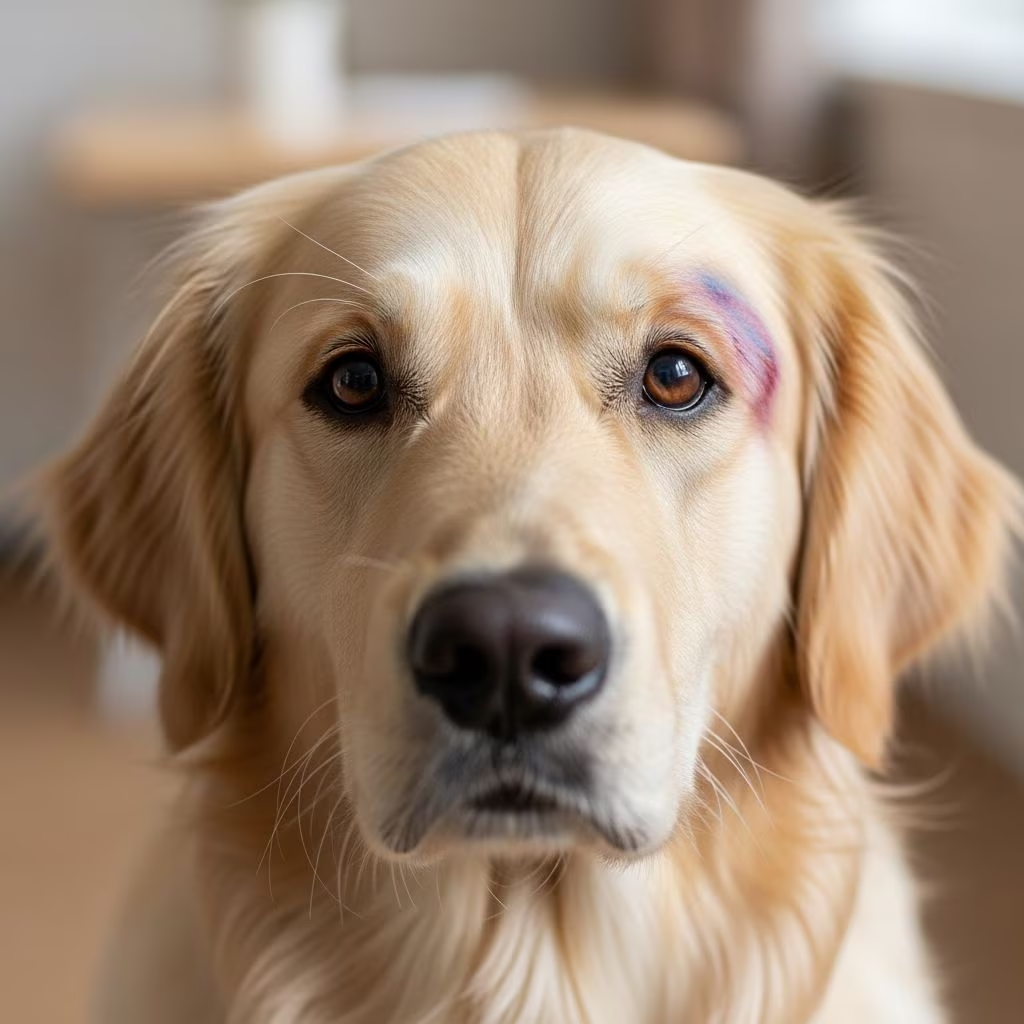
Dogs can indeed suffer concussions, which are mild traumatic brain injuries caused by a sudden jolt or impact to the head. These injuries disrupt normal brain function temporarily, much like in humans, and require prompt veterinary attention to prevent complications.
What Is a Concussion in Dogs?
A concussion in dogs occurs when forceful trauma to the head causes the brain to move rapidly within the skull, leading to bruising, swelling, or bleeding. This can result from car accidents, falls from heights, fights with other animals, or being hit by objects. Unlike humans, dogs cannot verbalize pain, making it challenging to diagnose without observing specific behavioral changes.
The brain’s delicate tissue is protected by the skull and cerebrospinal fluid, but severe impacts can overcome these defenses. Mild concussions may resolve with rest, while severe cases can lead to long-term neurological issues if untreated. Veterinary neurologists emphasize that early intervention maximizes oxygen to brain tissues and minimizes secondary damage like swelling.
Symptoms of Concussions in Dogs
Recognizing concussion symptoms in dogs is crucial, as signs can appear immediately or develop over hours. Common indicators include:
- Lethargy and loss of appetite: Your active dog may seem unusually tired, unwilling to eat, or disinterested in play following a head bump.
- Disorientation and balance issues: Stumbling, circling, or head tilting suggest vestibular disturbances from brain trauma.
- Unequal pupil sizes or rapid eye movements: Nystagmus (involuntary eye flicking) or dilated pupils on one side signal neurological involvement.
- Vomiting or nausea: Often accompanies head injuries due to increased intracranial pressure, potentially leading to dehydration.
- Seizures or unresponsiveness: In severe cases, convulsions or coma-like states may occur, demanding emergency care.
- Behavioral changes: Confusion, aggression, or excessive whining can indicate pain or disorientation.
These symptoms overlap with other conditions like ear infections or poisoning, so professional diagnosis via physical exams, CT scans, or MRIs is essential. Monitor closely for 24-48 hours post-injury.
Causes of Head Trauma in Dogs
Dogs encounter head trauma in various scenarios:
- High-impact falls from furniture, balconies, or during hikes.
- Vehicle accidents or being struck by moving objects.
- Animal attacks, especially involving larger dogs or wildlife.
- Sports or rough play, common in active breeds like retrievers.
- Household mishaps, such as running into glass doors or falling down stairs.
Breeds with prominent foreheads (e.g., boxers) or brachycephalic faces (e.g., pugs) may be more prone due to skull structure variations. Puppies and seniors face higher risks due to softer skulls or reduced resilience.
Diagnosis of Dog Concussions
Veterinarians diagnose concussions through:
- Physical and neurological exams: Checking reflexes, pupil response, and coordination.
- Imaging: X-rays for fractures, CT/MRI for brain swelling or bleeding.
- Blood tests: To rule out metabolic issues or assess hydration.
Keep the dog’s head elevated at 30 degrees during transport to reduce brain pressure. Avoid home remedies; rushed diagnosis can worsen outcomes.
Treatment for Concussions in Dogs
Treatment focuses on stabilizing the dog, reducing brain swelling, and supporting recovery. Options include:
- IV fluids: Essential for hydration if vomiting occurs, restoring blood volume and pressure without overloading the brain.
- Oxygen therapy: For respiratory distress or low oxygen levels in severe cases.
- Medications: Anti-inflammatories, steroids, or mannitol to decrease intracranial pressure; anti-nausea drugs; pain relief.
- Surgery: Rare, but needed for fractures, hematomas, or clots.
- Monitoring: Hospitalization for 24-48 hours in critical cases to track vitals.
Rest is paramount—confine to a crate in a quiet space. Balance activity: some vets advise monitored wakefulness to assess deterioration.
Recovery and Prognosis
Most dogs recover fully from mild concussions within days to weeks with proper care. Provide:
- A calm environment minimizing stimuli.
- Frequent small meals if appetite is low.
- Eye lubrication if blinking is impaired.
- Follow-up exams to monitor progress.
Severe cases may involve permanent deficits like seizures or coordination loss. Prognosis improves with immediate care; delays risk brain edema or herniation. Full recovery signs: normal appetite, coordination, and energy.
Preventing Concussions in Dogs
Proactive steps reduce risks:
- Supervise high-risk activities: Use leashes on walks, secure windows.
- Training and socialization: Prevent fights; use helmets for extreme sports.
- Home safety: Remove hazards like sharp furniture; install baby gates.
- Regular vet checkups: Address breed-specific vulnerabilities early.
Active breeds need controlled exercise to avoid reckless play.
Frequently Asked Questions (FAQs)
Can all dogs get concussions?
Yes, any dog can suffer a concussion from sufficient head trauma, though brachycephalic breeds may be more susceptible.
How long does a dog concussion last?
Mild cases resolve in 2-7 days; severe ones take weeks with vet oversight.
Should I wake my dog with a suspected concussion?
Consult your vet—some need monitoring awake, others rest; never self-decide.
Can a dog concussion cause seizures later?
Yes, post-traumatic epilepsy is possible; monitor and report changes.
What if my dog seems fine after a head bump?
Observe for delayed symptoms; seek vet care if any appear.
This comprehensive guide equips dog owners to handle potential concussions effectively, prioritizing swift action for the best outcomes.
References
- Concussions in Dogs: Symptoms and Treatment — VEG ER for Pets. 2023. https://www.veg.com/post/symptoms-and-treatments-for-dog-concussions
- Signs and Treatment of Dog Concussions — Sunset Animal Hospital. 2024. https://sunsetanytime.com/blog/dog-concussion-houston-tx/
- Can Dogs Get Concussions? — ElleVet Sciences. 2023. https://www.ellevetsciences.com/blog/can-dogs-get-concussions/
- Yes, Dogs Can Get Concussions—Here Is How to Tell — Rover.com. 2024. https://www.rover.com/blog/can-dogs-get-concussions/
- Brain Injury in Dogs — VCA Animal Hospitals. 2025-01-10. https://vcahospitals.com/know-your-pet/brain-injury-in-dogs



