

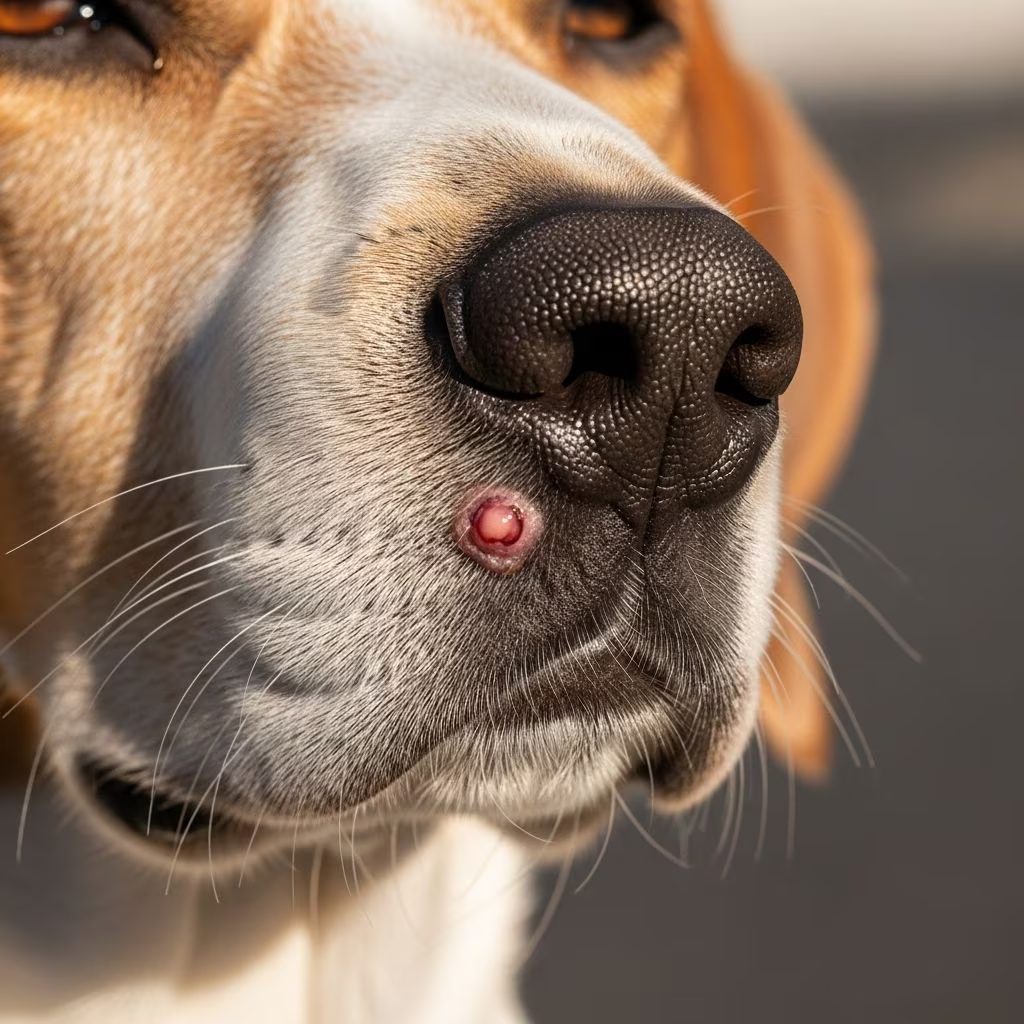
Dogs cannot contract the human herpes simplex virus responsible for cold sores, but they can develop similar-looking lesions on their mouths, lips, or genitals from **canine herpesvirus (CHV)** or other conditions. These sores often mimic human cold sores in appearance but stem from distinct causes, with CHV being the primary viral culprit in canines. Understanding these differences is crucial for pet owners spotting unusual bumps or ulcers on their dog’s face.
Understanding Canine Herpesvirus: The Main Culprit Behind Dog Mouth Sores
**Canine herpesvirus (CHV)** is a common virus affecting dogs worldwide, capable of causing respiratory issues, genital lesions, and severe illness in newborns. Unlike human cold sores, which are superficial skin ulcers, CHV in dogs triggers a broader range of symptoms, especially in vulnerable puppies. Adult dogs often carry the virus asymptomatically after initial exposure.
The virus spreads through direct contact with infected saliva, nasal secretions, or genital fluids, commonly during breeding, close play, or shared living spaces. Puppies typically acquire it from their dam during birth or nursing if she sheds the virus. Environmental factors like cold temperatures exacerbate outbreaks, as CHV is heat-sensitive and thrives below 95°F.
How CHV Manifests Differently in Puppies Versus Adult Dogs
Symptoms vary dramatically by age, making early recognition vital.
Symptoms in Puppies: A Life-Threatening Emergency
Newborn or young puppies face the highest risk, with CHV often leading to **fading puppy syndrome**, a rapid decline marked by high mortality rates. Infected litters may show:
- Lethargy and weakness, refusing to nurse
- Diarrhea, vomiting, and nasal discharge
- Petechiae (tiny red spots) on gums, belly, or ears
- Respiratory distress, pneumonia, or sudden death
Without intervention, survival rates plummet, as the immature immune system fails to combat the virus.
Symptoms in Adult Dogs: Often Mild or Unnoticed
Mature dogs typically experience subclinical infections or flu-like signs. Observable issues include:
- Coughing, sneezing, or runny nose resembling a cold
- Genital lesions or inflammation (vaginitis in females, balanoposthitis in males)
- Eye problems like conjunctivitis or corneal edema
- Rarely, infertility or pregnancy loss
Stress, immunosuppression, or breeding can trigger flare-ups, but most adults recover without treatment.
Other Conditions Mimicking Cold Sores in Dogs
Not all mouth sores are CHV-related. Several disorders produce ulcer-like bumps, requiring veterinary differentiation.
| Condition | Key Symptoms | Common Breeds Affected | Primary Cause |
|---|---|---|---|
| Chronic Ulcerative Paradontal Stomatitis (CUPS) | Excessive drooling, bad breath, appetite loss, thick saliva, painful mouth | Maltese, Cavalier King Charles Spaniels, Greyhounds, Labrador Retrievers | Immune overreaction to plaque bacteria |
| Lip-Fold Pyoderma | Red, ulcerated skin folds on lips, secondary to CUPS | Any breed with deep lip folds | Bacterial infection in moist areas |
| Autoimmune Oral Ulcers | Persistent tongue/gum erosions, pawing at mouth | Various | Immune-mediated tissue attack |
| Trauma or Allergies | Single sores from chewing, food reactions | All breeds | Physical injury or hypersensitivity |
CUPS, for instance, demands dental intervention, as plaque buildup fuels the immune frenzy. Always rule out these via professional exam.
Diagnosing Mouth Sores and Suspected CHV in Dogs
Veterinarians diagnose through clinical signs, history, and tests. For puppies, urgency is key—immediate exam if littermates fade. Methods include:
- Physical oral inspection, possibly under sedation for painful cases
- PCR testing of swabs from lesions, eyes, or genitals for CHV DNA
- Bloodwork to check antibody levels or rule out immune disorders
- Biopsy for chronic ulcers like CUPS, often referred to dental specialists
Early PCR confirms CHV, guiding supportive care before escalation.
Treatment Strategies for CHV and Similar Sores
No cure exists for CHV, as it’s lifelong like human herpes, but management improves outcomes.
Critical Care for Puppies
Fatal in most untreated cases, puppy protocols emphasize:
- Maintaining body temperature above 95°F to inhibit viral replication
- IV fluids, dextrose for hypoglycemia, anti-nausea meds
- Antibiotics for secondary infections, oxygen therapy
- Antivirals like acyclovir or antibody sera from recovered dams
Fostering with immune mothers or intensive warming boosts survival.
Adult Dog Management
Often self-resolving, but supportive steps help:
- Rest, isolation to prevent spread, Elizabethan collars for licking
- Eye drops, pain relief, cough suppressants if needed
- Soft foods during healing; dental cleanings for CUPS
Recovery spans 7-14 days; monitor for recurrence.
Preventing CHV Transmission and Mouth Health Issues
Proactive steps reduce risks:
- Vaccination: CHV vaccines for breeding bitches, administered pre-pregnancy
- Breeding Hygiene: Test breeding pairs, quarantine new dogs, screen litters
- General Care: Routine dental cleanings to curb plaque/CUPS, stress minimization
- Immune Boosters: Balanced diet, supplements for adults under vet guidance
Warm environments for whelping prevent puppy outbreaks.
Frequently Asked Questions (FAQs)
Is canine herpesvirus contagious to humans?
No, CHV is species-specific and cannot infect people or vice versa.
Can my vaccinated dog still get CHV?
Vaccines reduce severity in offspring but don’t fully prevent adult infection; they’re ideal for breeders.
How long do dog cold sore-like lesions last?
Typically 7-10 days in adults with rest; puppies need urgent care.
Should I worry about a single bump on my dog’s lip?
Yes, consult a vet to exclude CHV, allergies, or tumors—don’t wait.
Are there home remedies for dog mouth sores?
Avoid self-treatment; focus on preventing licking with collars and distractions while awaiting vet advice.
Maintaining Your Dog’s Oral Wellness Long-Term
Beyond acute issues, daily brushing, dental chews, and annual checkups prevent plaque buildup leading to ulcers. Breeds prone to CUPS benefit from genetic screening. For breeders, pre-breeding CHV titers ensure healthy litters. Prompt action on any mouth changes safeguards your pet’s comfort and longevity.
References
- Canine Herpesvirus – Causes, Diagnosis, and Treatment — PetMD, Dr. Michael Kearley. 2023. https://www.petmd.com/dog/conditions/infectious-parasitic/canine-herpesvirus-causes-diagnosis-and-treatment
- Can Dogs Get Cold Sores? — Whole Dog Journal. 2024. https://www.whole-dog-journal.com/health/can-dogs-get-cold-sores/
- Can Dogs Get Cold Sores? — Pet Wellbeing. 2023. https://petwellbeing.com/blogs/news/can-dogs-get-cold-sores
- Canine Herpes Virus — WebMD. 2024. https://www.webmd.com/pets/dogs/canine-herpes-virus
- Canine Herpesvirus Infection — Merck Veterinary Manual. 2025. https://www.merckvetmanual.com/infectious-diseases/canine-herpesvirus-infection/canine-herpesvirus-infection
- Can Dogs Get Cold Sores? — WagWalking. 2023. https://www.wagwalking.com/wellness/can-dogs-get-cold-sores



