

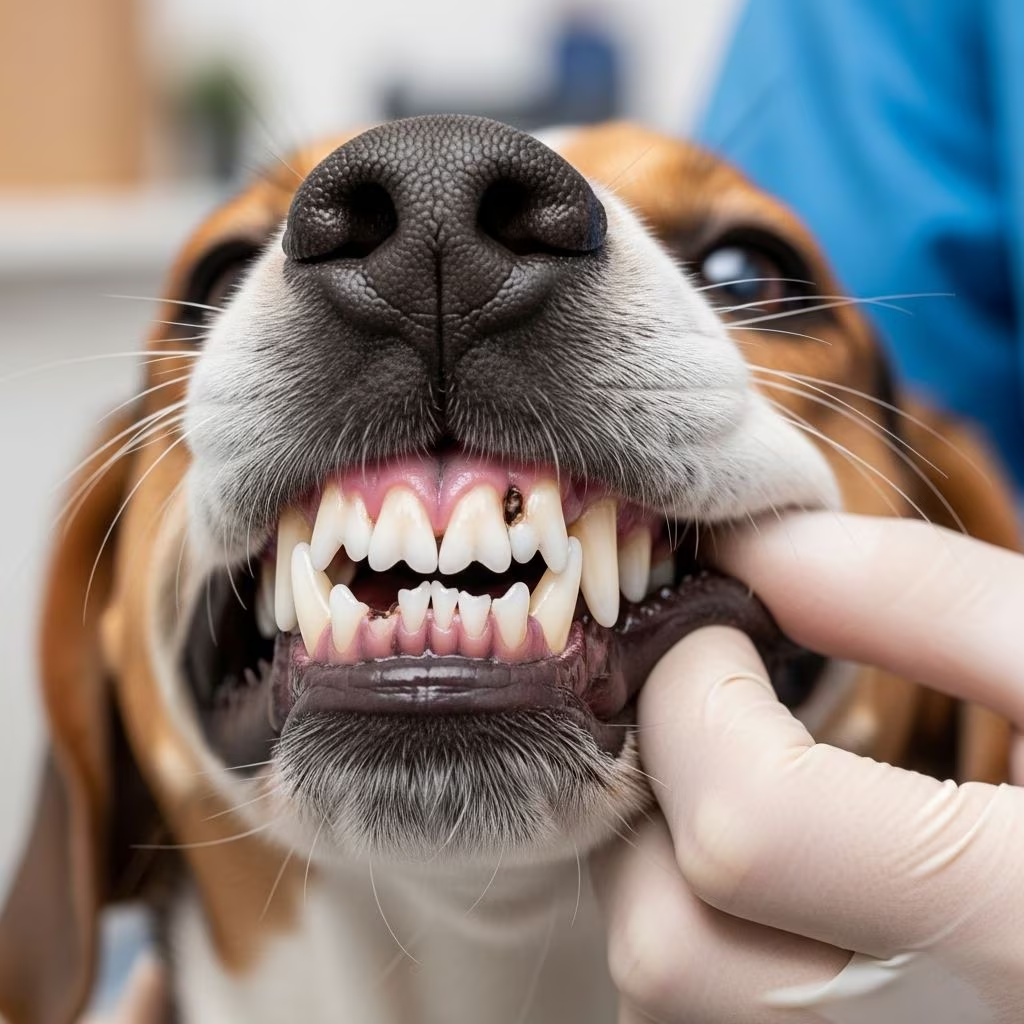
Dogs can develop cavities, also known as dental caries, although this condition is far less common in canines than in humans due to differences in diet and tooth structure. Plaque accumulation from poor oral hygiene leads to enamel erosion, creating holes that expose sensitive inner layers of the tooth. While most dogs maintain better resistance thanks to lower sugar intake, certain breeds face higher risks, making proactive dental care essential for all pet owners.
The Science Behind Canine Tooth Decay
Canine cavities form when bacteria in plaque produce acids that demineralize tooth enamel over time. Unlike human teeth, dog teeth feature a thicker enamel layer and less exposure to fermentable carbohydrates, reducing cavity prevalence to under 10% in veterinary cases. However, when decay occurs, it progresses rapidly through enamel to dentin and pulp, potentially causing infection or tooth loss if untreated.
Key factors contributing to this issue include crowded teeth, which trap food particles, and enamel defects present from birth. Breeds with small mouths, such as Pugs, Chihuahuas, Dachshunds, Bulldogs, Poodles, and Shih Tzus, experience elevated incidences because their compact dentition hinders natural cleaning.
Recognizing Early Warning Signs in Your Dog
Detecting cavities early prevents severe complications. Owners often overlook subtle symptoms until pain becomes evident. Common indicators include:
- Persistent bad breath that doesn’t improve with routine care
- Discolored or dark spots on tooth surfaces
- Visible pits, holes, or fractures in teeth
- Swelling or redness around gums
- Reluctance to chew hard foods or toys
- Excessive drooling or pawing at the mouth
- Sudden aggression when the mouth is touched
These signs may overlap with periodontal disease, so professional diagnosis is crucial. Regular vet exams, ideally twice yearly for at-risk breeds, allow for X-rays to reveal hidden decay beneath the surface.
Understanding Cavity Stages and Progression
Veterinarians classify dog cavities into five stages based on damage extent, guiding treatment decisions:
| Stage | Description | Common Effects |
|---|---|---|
| 1 | Enamel only | Surface demineralization, no pain |
| 2 | Enamel and dentin | Sensitivity begins, minor discoloration |
| 3 | Enamel, dentin, pulp | Infection risk, swelling possible |
| 4 | Crown structural damage | Painful chewing, abscess potential |
| 5 | Crown mostly lost, roots exposed | Tooth instability, extraction likely |
Progression from stage 1 to 5 can occur within months without intervention, emphasizing the need for prompt veterinary attention.
Treatment Options Tailored to Severity
Treatment varies by stage, always under general anesthesia for thorough cleaning and precision. For stages 1-2, vets remove decayed enamel and apply amalgam fillings to restore the crown, preserving the tooth.
Stage 3 requires root canal therapy: the infected pulp is extracted, canals disinfected and filled, followed by crown sealing. This mimics human procedures but uses smaller instruments suited to dog anatomy.
Advanced stages 4-5 often necessitate extraction to halt infection spread. Post-extraction, sealants protect adjacent teeth, and pain management ensures comfort during recovery, typically 1-2 weeks with soft foods.
Costs range from $200-500 for fillings to $1,000+ for root canals or extractions, depending on location and complexity. Pet insurance can offset expenses, highlighting the value of preventive routines.
Proven Daily Prevention Routines for Owners
Prevention outperforms treatment, with at-home care reducing cavity risk by up to 80%. Start with daily tooth brushing using enzymatic toothpaste in poultry or beef flavors—never human varieties containing xylitol, which is toxic to dogs. Finger brushes or dual-ended pet toothbrushes reach all surfaces effectively.
Incorporate these habits:
- Brush 2-3 times weekly minimum, ideally daily for 30 seconds per side
- Offer VOHC-approved dental chews that mechanically scrape plaque
- Provide textured toys promoting chewing and tartar reduction
- Feed kibble formulated for dental health to abrade buildup
- Use water additives with plaque-fighting enzymes between brushes
Avoid sugary treats or table scraps, as they fuel bacterial growth.
Professional Veterinary Interventions
Annual professional cleanings under anesthesia scale tartar below the gumline and polish teeth, catching cavities at inception. X-rays during these visits detect subsurface issues invisible to the eye. For high-risk dogs, vets may recommend fluoride treatments or sealants as barriers against acid attack.
Schedule based on age and breed: puppies need initial exams by 6 months, seniors biannually. Early detection via these visits prevents costly surgeries and systemic issues like heart disease linked to oral bacteria.
High-Risk Breeds and Special Considerations
Brachycephalic breeds (short-nosed) and toy varieties suffer most from cavities due to malocclusion and plaque retention. Older dogs over 7 years face compounded risks from gum recession exposing roots. Monitor puppies for congenital defects like missing enamel, addressing them proactively.
Pregnant or diabetic dogs require extra vigilance, as hormonal shifts weaken immunity. Always consult vets for tailored plans, including dietary adjustments low in starches.
Holistic Benefits of Dental Wellness
Beyond cavities, strong oral health safeguards against periodontitis, which affects 80% of dogs by age 3 and correlates with kidney, liver, and cardiac problems via bloodstream bacteria. Pain-free eating maintains nutrition, weight, and vitality, extending lifespan by years.
Owners report happier, more playful pets post-dental routines, underscoring dental care’s role in quality of life.
Frequently Asked Questions
Can all dogs get cavities?
Yes, though rare; small breeds and those with crowded teeth are most susceptible.
How often should I brush my dog’s teeth?
Daily for best results, at least 3-4 times weekly minimum.
Is dog toothpaste necessary?
Absolutely—human toothpaste harms dogs due to fluoride and xylitol.
What if my dog resists brushing?
Introduce gradually with treats; use flavored pastes and gentle restraint.
Do dental chews replace brushing?
No, they supplement; brushing remains the gold standard.
Can cavities cause other health issues?
Untreated ones lead to infections spreading to organs like heart and kidneys.
References
- How To Prevent and Treat A Cavity In Dogs — Spinnaker Vet Clinic. 2022-12-15. https://www.spinnakervetclinic.com/site/blog/2022/12/15/prevent-treat-cavity-dogs
- Cavities in Dogs: Causes, Symptoms & Treatment — Mahopac Vet. 2023-09-30. https://www.mahopacvet.com/site/blog/2023/09/30/cavities-in-dogs-causes-symptoms-treatment
- Cavities in Dogs: Symptoms, Causes & Treatments — Stine Vet. 2024-03-15. https://www.stinevet.com/site/blog/2024/03/15/cavities-dogs
- Cavities In Dogs: Causes, Symptoms And Treatment — Wellesley Natick Veterinary Hospital. 2023-11-15. https://www.wellesleynatickveterinaryhospital.com/site/blog/2023/11/15/cavities-dogs-causes-symptoms-treatment
- Pet Dental Care: Preventing & Treating Cavities in Pets — Langley Animal Clinic. N/A. https://langleyanimalclinic.ca/pet-dental-care-preventing-treating-cavities-in-pets/



