

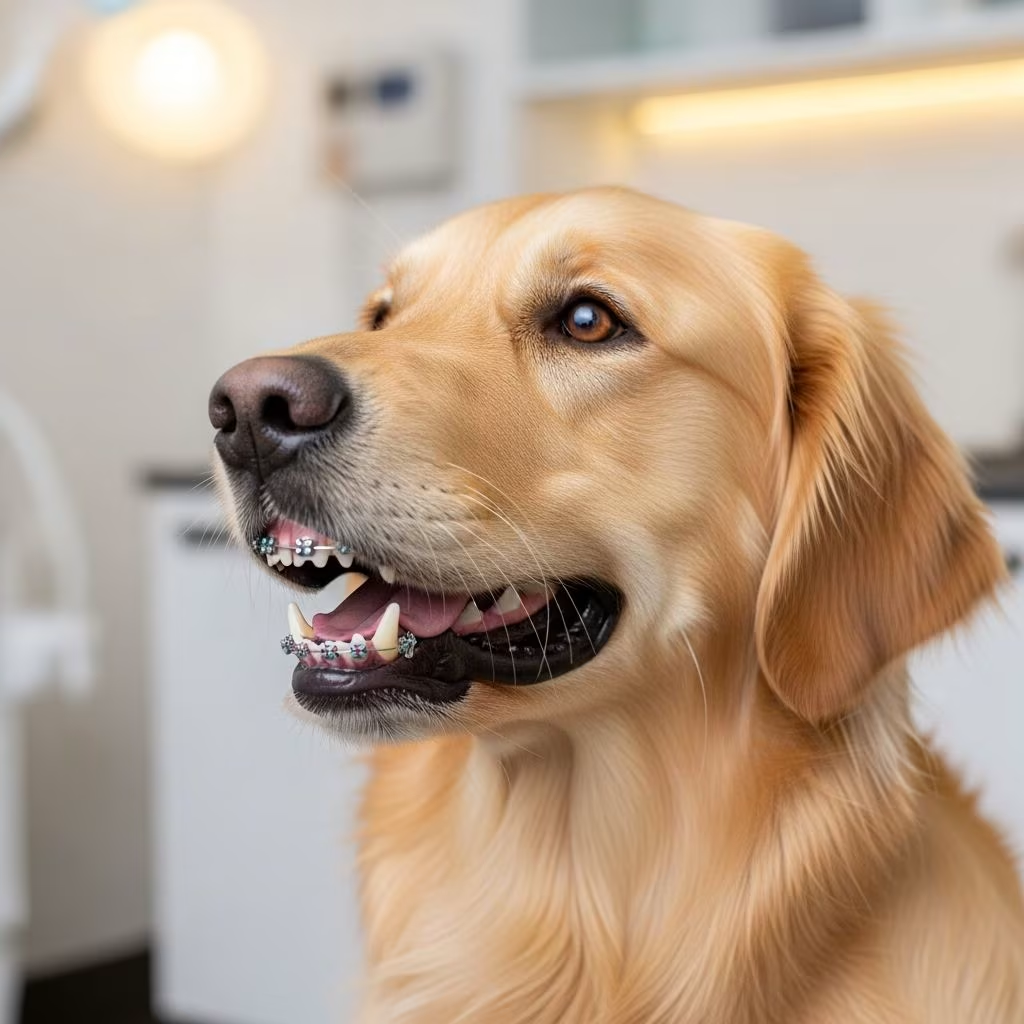
Dogs can receive specialized braces, primarily orthopedic devices for joint and limb support rather than traditional orthodontic braces for teeth, though dental corrections exist in veterinary practice. These aids help manage injuries, arthritis, and developmental issues, enhancing mobility and comfort.
Understanding Braces in Canine Care
Braces for dogs fall into two main categories: orthodontic appliances for dental alignment and orthopedic supports for musculoskeletal problems. Orthodontic braces address severe malocclusions that cause pain or functional issues, while orthopedic braces stabilize joints like knees, hips, and wrists. Veterinary specialists tailor these devices to individual needs, often using custom molding for optimal fit.
Orthopedic braces mimic human supports but adapt to canine anatomy, providing stability without restricting natural movement. They prove especially valuable for conditions like cranial cruciate ligament (CCL) tears, hip dysplasia, and tendon injuries, serving as non-surgical alternatives or post-operative aids.
Orthodontic Braces: Correcting Dental Misalignments
While rare, dogs can get orthodontic braces for significant tooth misalignment. These appliances gradually shift teeth into proper positions, much like in humans, but require veterinary dentists due to dogs’ unique jaw structures. Procedures suit cases where malocclusions lead to chewing difficulties, oral injuries, or chronic infections.
- Indications: Overbites, underbites, or crowded teeth causing pain or poor bite function.
- Process: Involves brackets, wires, or palatal expanders fitted under anesthesia, with regular adjustments.
- Duration: Typically 6-12 months, depending on severity.
Success hinges on early intervention in young dogs, as adult jaws are less malleable. Costs range widely, often exceeding routine dental care, but improve long-term oral health.
Orthopedic Braces: Supporting Limbs and Joints
Far more common are orthopedic braces targeting legs, hips, and back. These custom or adjustable devices alleviate pain from arthritis, ligament tears, and fractures, promoting healing without invasive surgery.
Types of Orthopedic Braces for Dogs
| Brace Type | Target Area | Primary Uses |
|---|---|---|
| Knee (Stifle) Brace | Hind leg knee joint | CCL/ACL tears, post-surgery support, arthritis |
| Hock (Ankle) Brace | Lower hind leg | Achilles tendon injuries, hock instability, flexor tendon issues |
| Carpal (Wrist) Brace | Front leg wrist | Hypertension, hyperextension, nerve/tendon problems |
| Elbow Brace | Front leg elbow | Arthritis, hygroma, ligament instability |
| Hip Brace | Hips and lower back | Dysplasia, pain, weakness in hindquarters |
| Back Brace | Spine | Intervertebral disc disease, support during recovery |
Hinged knee braces replicate joint motion for active dogs, while soft wraps suit mild cases. Custom braces, like those from specialized providers, use measurements or casts for precision.
Common Conditions Treated with Dog Braces
Braces address prevalent orthopedic issues in dogs, particularly in breeds prone to joint problems like Labs, German Shepherds, and large breeds.
- CCL Tears: Similar to human ACL injuries, these cause limping and instability; braces stabilize the joint, reducing surgery needs.
- Hip Dysplasia: Abnormal hip joint development leads to pain; hip braces provide external support.
- Arthritis: Age-related joint degeneration benefits from braces that limit excessive motion.
- Tendon Injuries: Achilles or flexor tendon strains heal faster with hock or tarsal braces.
- Post-Surgical Recovery: Braces prevent re-injury after operations like arthrodesis.
For front legs, carpal braces manage hyperextension from repetitive stress, common in working dogs.
The Fitting and Customization Process
Proper fitting ensures effectiveness and comfort. Veterinarians or certified orthotists measure legs at specific points for soft braces or create casts for rigid ones.
- Assessment: Vet diagnoses condition via exam, X-rays.
- Measurements: Taken per manufacturer guidelines, often with dog standing.
- Molding: Casting bandage protects skin during rigid brace creation.
- Fabrication: Labs produce custom devices from lightweight, breathable materials like neoprene or mesh.
- Fitting and Training: Gradual introduction prevents resistance; monitor for sores.
Adjustable braces allow home tweaks, but professional oversight is crucial.
Benefits and Limitations of Using Braces
Braces offer non-invasive relief, cost savings over surgery, and improved quality of life. They reduce inflammation, enhance stability, and support rehab exercises.
Limitations include:
- Need for compliance; dogs may chew or resist initially.
- Not suitable for all cases, like complete ligament ruptures.
- Regular cleaning and inspections required to avoid skin issues.
Studies show braces aid 70-80% of partial CCL tear cases conservatively.
Caring for Your Dog’s Brace
Daily maintenance prolongs brace life and prevents complications.
- Remove nightly for cleaning with mild soap.
- Inspect skin for redness; use padding if needed.
- Monitor fit as dog gains/loses weight.
- Avoid water exposure unless waterproof-rated.
Replace every 6-12 months or after heavy use.
When to Consult a Veterinarian
Seek professional advice for limping, reluctance to jump, or joint swelling. Early intervention prevents progression. Board-certified surgeons or rehab specialists recommend braces best.
Cost Considerations and Insurance
Prices vary: $50-$200 for basic wraps, $300-$1000+ for custom knee braces. Pet insurance may cover if deemed medically necessary; check policies.
FAQs
Can all dogs wear braces?
No, suitability depends on condition severity and size; consult a vet.
How long do dogs wear braces?
From weeks for acute injuries to lifelong for chronic arthritis.
Are dog braces comfortable?
Well-fitted ones are; acclimation takes 1-2 weeks.
Do braces cure CCL tears?
They manage symptoms and support healing, especially partial tears, but surgery may be needed for full ruptures.
Which breeds benefit most?
Large breeds like Labs and Shepherds prone to joint issues.
Choosing the Right Brace Provider
Opt for vet-approved, custom options from reputable makers using durable materials. Italian handmade braces or US custom labs ensure quality.
References
- A Complete Guide to Choosing Dog Knee Braces — Tailwindpets. 2023. https://www.tailwindpets.com/blogs/research-studies/a-complete-guide-to-choosing-dog-knee-braces
- Dog Braces and Orthotic Devices — TopDog Health. 2024. https://topdoghealth.com/dog-braces-orthotics-prosthetic-devices/
- Our Orthopedic Dog Braces and Leg Wraps — Tutori Balto. 2024. https://www.tutoribalto.com/en/
- Ortho Dog — Ortho Dog. 2024. https://orthodog.com
- Orthotic Devices for Dogs Braces — VCA Animal Hospitals. 2023-02-17. https://vcahospitals.com/know-your-pet/orthotic-devices-for-dogs-braces
- Braces — Bionic Pets. 2024. https://bionicpets.org/collections/braces



