

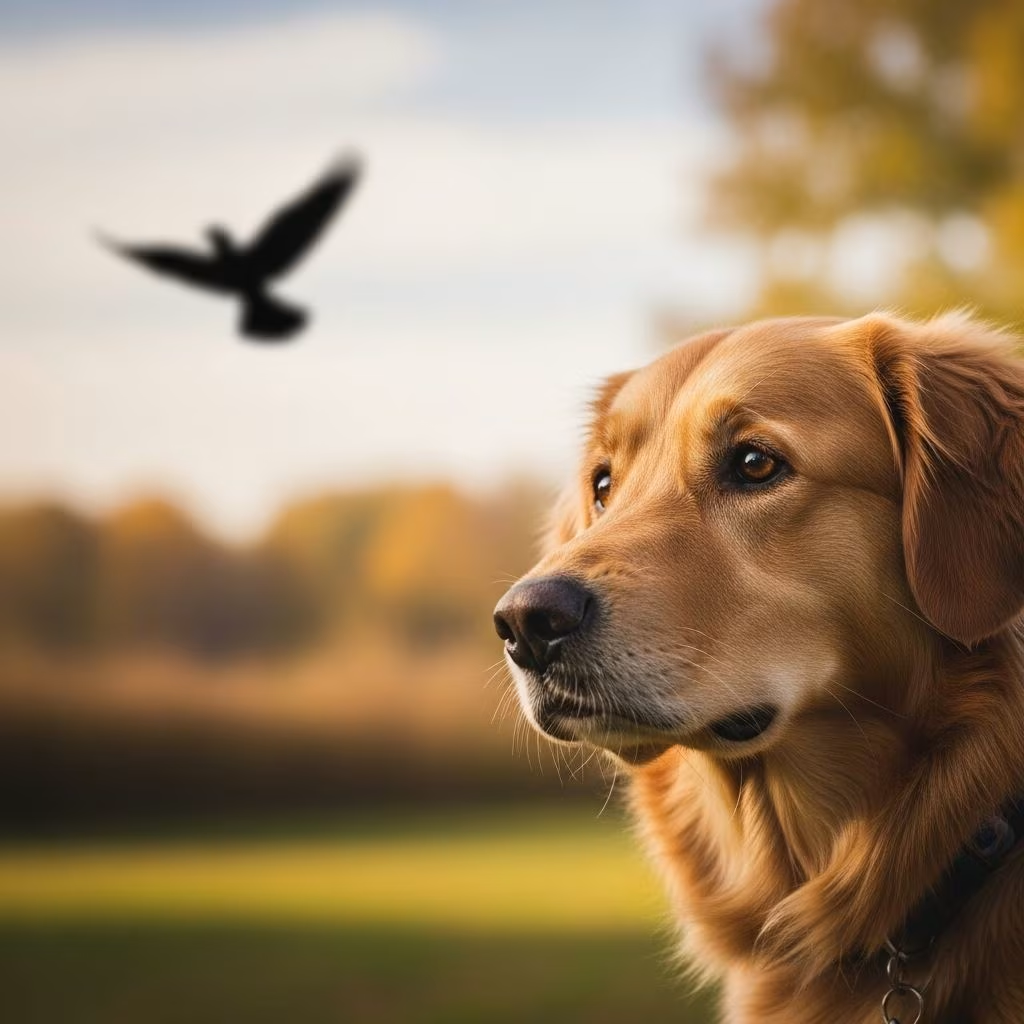
Can Dogs Get Bird Flu? A Comprehensive Pet Owner’s Guide
Bird flu, medically known as avian influenza, has become an increasingly common concern for pet owners worldwide. While the disease is primarily associated with birds and poultry, many dog owners wonder whether their beloved companions are at risk. The straightforward answer is yes—dogs can contract bird flu, though the risk remains relatively low compared to other species. Understanding this disease, recognizing its symptoms, and implementing preventive measures are essential steps in protecting your furry friend’s health.
What Is Bird Flu and How Does It Affect Dogs?
Avian influenza is a viral infection that primarily spreads among birds, cattle, and other animals. The virus responsible for most severe cases is H5N1, a highly pathogenic strain that can occasionally jump to mammals, including dogs and cats. While dogs are theoretically susceptible to H5N1, clinical cases in canines remain exceptionally rare, with few documented instances of dogs becoming seriously ill or dying from the infection.
The transmission of bird flu to dogs typically occurs through direct contact with infected wild birds or poultry, or exposure to contaminated environments. Dogs that hunt birds, scavenge, or play in areas with infected wildlife face a higher risk than indoor pets with limited outdoor exposure.
Recognizing Bird Flu Symptoms in Dogs
If your dog has been exposed to potentially infected birds or wildlife, it’s crucial to recognize the warning signs of bird flu. The symptoms can vary in severity and may develop rapidly, sometimes progressing quickly to serious complications.
Common Symptoms Include:
- Fever: An elevated body temperature, often one of the first signs of infection
- Lethargy: Unusual tiredness, lack of energy, or reluctance to move or engage in normal activities
- Loss of Appetite: Reduced desire to eat or drink, or complete disinterest in food
- Respiratory Issues: Coughing, sneezing, nasal discharge, difficulty breathing, or rapid breathing
- Eye and Nasal Discharge: Reddened or inflamed eyes with discharge, along with nasal discharge
- Neurological Signs: In severe cases, tremors, seizures, incoordination, wobbliness, or even sudden blindness
It’s important to note that the onset of symptoms can be rapid, and the disease may progress quickly in some cases. If you notice any combination of these symptoms in your dog, particularly if your pet has been exposed to wildlife or infected birds, seek veterinary care immediately.
Transmission Routes and Risk Factors
Understanding how bird flu spreads is essential for protecting your dog. The virus primarily transmits through direct contact with infected birds or their bodily fluids, including saliva, nasal discharge, and feces.
Primary Transmission Routes:
- Direct contact with infected wild birds or poultry
- Contact with infected dairy cows or other infected animals
- Exposure to contaminated environments where infected animals have been present
- Scavenging or hunting infected birds
- Ingestion of contaminated food or water
Dogs at Higher Risk:
- Dogs with outdoor access in areas where bird flu has been detected
- Dogs that hunt birds or small game
- Dogs living near farms or poultry operations
- Dogs that scavenge or have access to dead wildlife
- Dogs without supervision in environments with wild bird populations
Diagnosis and Veterinary Care
If your dog exhibits symptoms consistent with bird flu, professional veterinary diagnosis is essential. Your veterinarian will perform specific tests to confirm the infection and rule out other respiratory diseases that may present with similar symptoms.
Diagnostic Process:
Veterinarians typically use PCR (polymerase chain reaction) testing to diagnose bird flu. This involves taking swabs from your dog’s nose, eyes, or throat and sending samples to a laboratory for analysis. Additional testing such as blood work and chest radiographs may be recommended to assess your dog’s overall health, hydration status, and to check for complications like pneumonia.
Before bringing your dog to the veterinary clinic, call ahead to inform them of suspected bird flu. Veterinary facilities have specific protocols and isolation procedures to prevent transmission to other animals in the office.
Treatment Options and Recovery
Unfortunately, there is no specific antiviral treatment for bird flu in dogs, unlike human cases where antiviral medications may help. Instead, veterinary treatment focuses on supportive care to help your dog’s immune system fight the infection and manage symptoms.
Supportive Care Measures:
- Hospitalization and Fluids: Intravenous fluids to maintain hydration and support organ function
- Oxygen Therapy: For dogs experiencing respiratory distress or difficulty breathing
- Nutritional Support: Ensuring adequate nutrition during recovery
- Antibiotics: If secondary bacterial infections develop, antibiotics may be prescribed to prevent complications
- Rest and Comfort: Keeping your dog calm, rested, and in a comfortable environment to promote healing
- Monitoring: Close observation of vital signs and symptom progression
The prognosis for dogs with bird flu varies depending on the severity of infection and how quickly treatment begins. Early veterinary intervention significantly improves outcomes. Dogs with mild infections that continue eating and drinking may be managed at home with veterinary guidance, while severe cases typically require hospitalization.
Isolation and Preventing Transmission
If your dog is diagnosed with bird flu, strict isolation protocols are critical to prevent spreading the virus to other animals and potentially to humans. Infected dogs should be isolated from all other pets from the onset of symptoms and for three to four weeks afterward.
Isolation Guidelines:
- Keep your dog separated from all other pets in a designated area
- Do not bring your dog to dog parks, boarding facilities, playgroups, grooming appointments, or daycare
- Change your clothes and shoes after handling your infected dog before interacting with other pets
- Wash your hands thoroughly with soap and water after any contact with your dog
- Use separate food and water bowls, toys, and bedding for your infected dog
- Clean and disinfect surfaces frequently using household cleaners containing bleach or similar disinfectants
Prevention Strategies for Dog Owners
While the risk of bird flu in dogs remains low, implementing preventive measures significantly reduces the likelihood of infection. Responsible pet ownership and awareness are your best tools for protection.
Key Prevention Tips:
- Limit Wildlife Exposure: Supervise outdoor time and prevent your dog from hunting birds or scavenging dead animals
- Avoid Contaminated Areas: Keep your dog away from areas where bird die-offs have occurred or where bird flu has been reported
- Practice Hygiene: Wash your dog’s paws and your hands after outdoor activities, especially in areas with wildlife
- Monitor Your Dog’s Health: Watch for any symptoms and seek prompt veterinary care if you notice illness
- Keep Vaccinations Current: Ensure your dog is up-to-date on all recommended vaccines, including respiratory illness vaccines where appropriate
- Maintain a Safe Environment: Keep your yard free of dead birds and minimize access to wildlife
- Stay Informed: Monitor local news and veterinary updates about bird flu cases in your area
- Avoid High-Risk Situations: Be cautious at dog parks, boarding facilities, and other places where your dog may encounter unvaccinated or unknown health status dogs
Understanding the Difference Between Bird Flu and Canine Influenza
It’s important to distinguish between bird flu (avian influenza) and canine influenza, which are two different viruses. Canine influenza is a respiratory disease that spreads easily among dogs and is highly contagious. While dog flu is more common in canine populations than bird flu, neither should be taken lightly.
Dog flu typically causes a dry cough that persists for weeks, fever above 103°F, nasal and eye discharge, and lethargy. The virus can travel up to 20 feet through respiratory droplets when dogs sneeze or cough. Most dogs recover from canine influenza within two to three weeks with proper supportive care and early veterinary intervention.
When to Contact Your Veterinarian
Contact your veterinarian immediately if your dog shows any signs of illness, particularly if your pet has been exposed to wildlife or infected birds. Don’t wait for symptoms to worsen or assume mild symptoms will resolve on their own. Early professional evaluation can prevent serious complications and improve your dog’s chances of recovery.
Always call before bringing your dog to the veterinary clinic to discuss potential bird flu exposure. This allows your veterinarian to implement appropriate isolation procedures and prepare for your arrival.
Frequently Asked Questions About Bird Flu in Dogs
Q: Is bird flu contagious from dogs to humans?
A: The risk of bird flu transmission from dogs to humans is extremely low. The virus primarily spreads among birds and occasionally to mammals through contact with infected animals. To date, documented cases of human infection from dogs are virtually nonexistent. However, if you suspect your dog has bird flu, practice good hygiene including hand washing and avoid close contact until your veterinarian confirms the diagnosis.
Q: Can indoor dogs get bird flu?
A: While indoor dogs have significantly lower risk than outdoor dogs, infection is still theoretically possible if they have any exposure to infected wildlife, contaminated objects, or contact with people who have handled infected birds. Risk is minimized but not completely eliminated.
Q: What should I do if my dog finds a dead bird?
A: Prevent your dog from touching or consuming any dead birds. If your dog has already made contact, wash their paws and your hands thoroughly, and monitor your dog for any symptoms over the following weeks. Contact your veterinarian if any symptoms develop.
Q: Are certain dog breeds more susceptible to bird flu?
A: There is no evidence that specific dog breeds are more susceptible to bird flu than others. However, hunting breeds or dogs with higher prey drive may be at increased risk due to greater likelihood of exposure to infected wildlife.
Q: Is there a vaccine for bird flu in dogs?
A: Currently, there is no specific vaccine for avian influenza in dogs. However, ensuring your dog is vaccinated against canine influenza and other respiratory diseases provides some protection against various respiratory illnesses. Discuss your dog’s vaccination needs with your veterinarian.
Q: How long does bird flu survive on surfaces?
A: While canine influenza can survive on surfaces for extended periods, bird flu survival on surfaces is generally limited. The virus is easily destroyed by routine household cleaners, bleach, and soapy water, making environmental disinfection effective for preventing transmission.
Q: Can my dog get bird flu from eating commercial dog food?
A: The risk from commercial dog food is extremely low. Pet food manufacturers maintain strict safety standards and processing practices that eliminate potential viral contamination. The primary risk remains direct exposure to infected wildlife or contaminated environments.
References
- Bird Flu in Pets and Other Animals — Centers for Disease Control and Prevention (CDC). 2025. https://www.cdc.gov/bird-flu/risk-factors/bird-flu-in-pets.html
- Avian Influenza in Pets and Backyard Flocks — American Veterinary Medical Association (AVMA). 2025. https://www.avma.org/resources-tools/animal-health-and-welfare/animal-health/avian-influenza/avian-influenza-companion-animals
- Cats and Dogs: Highly Pathogenic Avian Influenza Resource Center — Cornell University College of Veterinary Medicine. 2025. https://www.vet.cornell.edu/highly-pathogenic-avian-influenza-bird-flu-resource-center/cats-and-dogs
- Avian Flu and Your Pets — VCA Animal Hospitals. 2025. https://vcahospitals.com/know-your-pet/avian-flu-and-your-pets
- Dog Flu (Canine Influenza): Symptoms and Treatment — PetMD. 2025. https://www.petmd.com/dog/conditions/respiratory/dog-flu-canine-influenza-dogs
- Avian Influenza (Bird Flu): H5N1, Causes, Symptoms & Treatment — Cleveland Clinic. 2024. https://my.clevelandclinic.org/health/diseases/22401-bird-flu



