

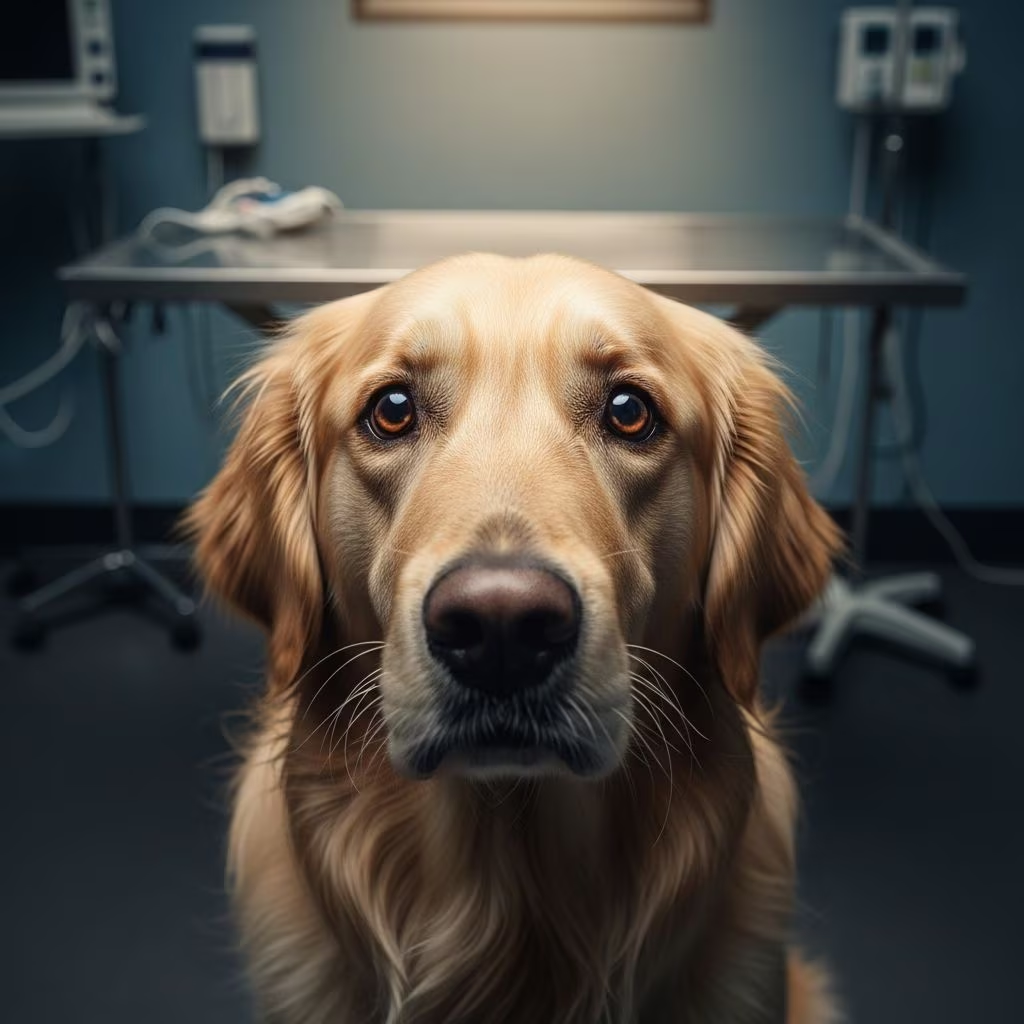
Dogs can indeed experience what feels like a “stomach bug,” medically known as gastroenteritis, which is inflammation of the stomach and intestines leading to symptoms such as vomiting, diarrhea, lethargy, reduced appetite, and abdominal pain. This condition varies in severity from mild cases that resolve at home to severe ones requiring veterinary intervention, often triggered by infections, dietary indiscretions, or parasites.
What Is a Stomach Bug in Dogs?
A stomach bug in dogs refers to acute gastroenteritis, an inflammation of the gastrointestinal tract causing sudden onset of digestive upset. Unlike humans who catch viral “stomach flu,” dogs get similar symptoms from bacterial overgrowth (e.g., Clostridium or Campylobacter), viruses like parvovirus, parasites (roundworms, hookworms, Giardia), or non-infectious causes. It prompts the body to expel irritants via vomiting and diarrhea, but severe cases lead to dehydration and require prompt care.
Gastroenteritis differs from chronic issues like inflammatory bowel disease (IBD); acute forms typically last 1-3 days with proper management. Small breeds like Dachshunds are prone to hemorrhagic forms with bloody diarrhea.
Symptoms of a Stomach Bug in Dogs
Recognizing symptoms early is crucial for timely intervention. Common signs include:
- Vomiting: Frequent, possibly containing food, bile, or blood; acute and projectile in severe cases.
- Diarrhea: Loose, watery, or bloody stools, often urgent; hemorrhagic in small breeds.
- Lethargy and weakness: Due to dehydration and electrolyte loss.
- Reduced appetite: Dogs may refuse food entirely.
- Abdominal pain: Hunching, tenderness when touched.
- Dehydration signs: Dry gums, sunken eyes, skin tenting, rapid heartbeat.
Monitor for emergency flags: 3+ vomiting episodes in 24 hours, bloody stools, extreme lethargy, or persistent symptoms beyond 24 hours. Puppies, seniors, or dogs with pre-existing conditions are at higher risk.
Causes of Stomach Bugs in Dogs
Multiple factors cause gastroenteritis; often, no single trigger is identified, but common culprits include:
- Dietary indiscretion: Eating garbage, table scraps, high-fat treats, spoiled food, or sudden diet changes irritating the gut.
- Infections: Bacterial (Clostridium, Campylobacter), viral (parvovirus), leading to inflammation.
- Parasites: Roundworms, hookworms, Giardia causing diarrhea and vomiting.
- Foreign bodies: Ingested toys, bones, or objects causing obstruction and inflammation.
- Toxins: Ingestion of onions, houseplants, poisons prompting expulsion via GI tract.
- Food allergies or sensitivities: Reactions to ingredients causing chronic or acute flares.
- Stress or other: Pancreatitis, liver/kidney disease, medications.
Hemorrhagic gastroenteritis (HGE) is idiopathic but breed-specific.
Diagnosis of Gastroenteritis in Dogs
Vets diagnose via history, physical exam, and tests:
- Fecal analysis: Checks for parasites, bacteria, viruses.
- Bloodwork: Assesses dehydration, electrolytes, organ function.
- Imaging: X-rays/ultrasound for blockages or foreign bodies.
- Additional: Parvo tests, endoscopy for chronic cases.
Early diagnosis prevents complications like sepsis or perforation.
Treatment for Stomach Bugs in Dogs
Treatment is supportive, targeting symptoms and cause:
- Fluid therapy: IV or subcutaneous to combat dehydration and restore electrolytes.
- Anti-emetics: Maropitant (Cerenia®) or metoclopramide to stop vomiting.
- Antacids: Famotidine (Pepcid®) or ranitidine to reduce stomach acid.
- Probiotics: FortiFlora® or similar to restore gut flora.
- Antibiotics: Metronidazole if bacterial; used judiciously.
- Dewormers: Pyrantel pamoate for parasites.
- Bland diet: Withhold food 12-24 hours, then small frequent meals of boiled chicken/rice or prescription like Purina Pro Plan EN.
- Surgery: For obstructions or tumors.
Mild cases may resolve at home with rest, small water sips, and bland food after 12 hours sans vomiting. Hospitalization for severe dehydration.
Recovery and Home Care
Recovery timeline: 1-3 days for mild cases, longer for severe. Home care:
- Gradual diet reintroduction: Bland for 3-5 days, then normal.
- Hydration: Ice cubes, electrolyte solutions if vet-approved.
- Rest: Limit activity, prevent scavenging.
- Monitor: Weigh daily, track stools/vomiting.
Prognosis excellent with prompt care; chronic cases need ongoing management.
Prevention of Stomach Bugs in Dogs
Prevent via:
- Consistent, high-quality diet; gradual changes.
- Regular deworming/vaccinations (incl. parvo).
- Secure trash; no table scraps.
- Supervise to avoid toxins/objects.
- Probiotics for gut health.
When to See a Vet for Dog Stomach Issues
| Mild Symptoms (Monitor at Home) | Emergency (See Vet Immediately) |
|---|---|
| Single vomit/diarrhea episode Normal energy/appetite | Multiple vomits (3+ in 24h) Bloody stools Lethargy/dehydration |
| Improving in 12-24h | Puppy/senior dog Abdominal bloating/pain |
Always consult vet if unsure.
Frequently Asked Questions (FAQs)
Can dogs catch stomach bugs from humans?
No, most canine gastroenteritis isn’t contagious from humans; caused by dog-specific pathogens or diet.
How long does a dog stomach bug last?
Mild: 1-2 days; severe: 3-5 days with treatment.
Is gastroenteritis in dogs contagious?
Depends: Parvo/viral yes; dietary no. Isolate if suspected infectious.
What home remedies help dog diarrhea and vomiting?
Bland diet, probiotics, hydration; vet meds preferred.
Can puppies get stomach bugs?
Yes, more vulnerable due to immature immunity; vaccinate early.
References
- Gastroenteritis in Dogs: Symptoms, Recovery, and More — PetMD. 2023. https://www.petmd.com/dog/conditions/digestive/gastroenteritis-dogs-symptoms-recovery-and-more
- Gastroenteritis (stomach upset) in dogs — PDSA. 2023. https://www.pdsa.org.uk/pet-help-and-advice/pet-health-hub/conditions/gastroenteritis-stomach-upset-in-dogs
- Gastroenteritis in Dogs — VCA Animal Hospitals. 2023. https://vcahospitals.com/know-your-pet/gastroenteritis-in-dogs
- Vomiting and Diarrhoea in Dogs — Blue Cross. 2023. https://www.bluecross.org.uk/advice/dog/health-and-injuries/vomiting-and-diarrhoea-in-dogs
- Dog Vomiting and Diarrhea: When It’s an Emergency — GSVS. 2023. https://gsvs.org/blog/dog-vomiting-diarrhea-emergency/
- Gastroenteritis in Dogs — Allambie Vet. 2023. https://allambievet.com.au/news/gastroenteritis-in-dogs
- Acute Gastroenteritis in Dogs — BluePearl Pet Hospital. 2023. https://bluepearlvet.com/medical-articles-for-pet-owners/acute-gastroenteritis-in-dogs/



